





Detailed instructions on Predaplant, please read for reference!!
Sections covered in this guide:
Overview

Predaplant is an archetype consisting of DARK Plant monsters used by Yuri in the anime and manga Yu-Gi-Oh! ARC-V. This archetype is a sub-branch of the Predap Archetype.
Their monsters are mostly based on carnivorous plants, carrion flowers, fungi, and/or plants with strange characteristics. In terms of appearance, some "Predaplant" monsters have leaf-like mouthparts with vine-like appendages that resemble hands with spikes for claws and teeth.
Most of the monster's names are hybrids of an animal and a plant. One of the words used is usually the Latin taxonomic name. Some level 5+ monsters are named after mythical creatures (chimera, dragon, hydra) and most of the revealed Fusion Monsters are named after carnivorous flowers instead of carnivorous plants.
The "Predaplant" playstyle focuses primarily on Fusion Summoning powerfully to deal damage and area destruction, while also using Predator Counters on opponent's monsters, turning them into level 1 Monsters to hinder Ritual, Synchro, and Xyz Summons. "Predaplanet" punishes the opponent for losing monsters with Predator Counters by allowing the player to add a "Predap" card to their hand.
The Main Monsters
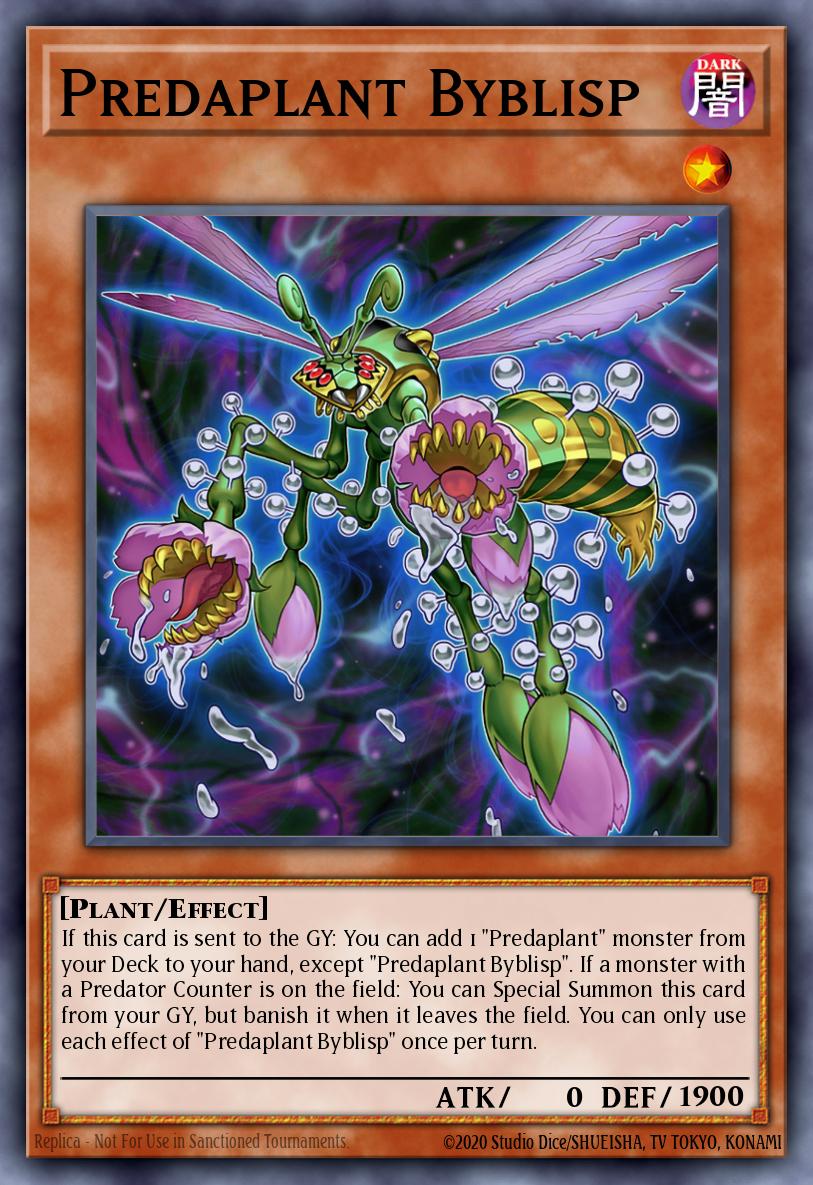
Predaplant Byblisp (x3)

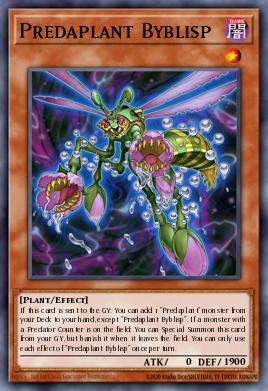
This is the remaining starter card in your deck, and the main target you should aim for with your abilities. When Byblisp is sent to the Graveyard (usually by Polymerization from an ability or the effect of Predaplant Ophrys Scorpio ), you can add one Predaplant monster from your deck to your hand.
Not only that, Byblisp can also summon itself from the Graveyard if the opponent's monster has Predator Counter . This is one of the key effects to help you expand the field, create more resources and establish a stronger position. How to take advantage of this effect will be analyzed in more detail in the "GO SECOND" section of the article.
Predaplant Sarraceniant (x3)

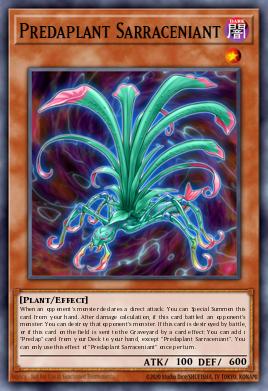
This is the deck's main line of defense.
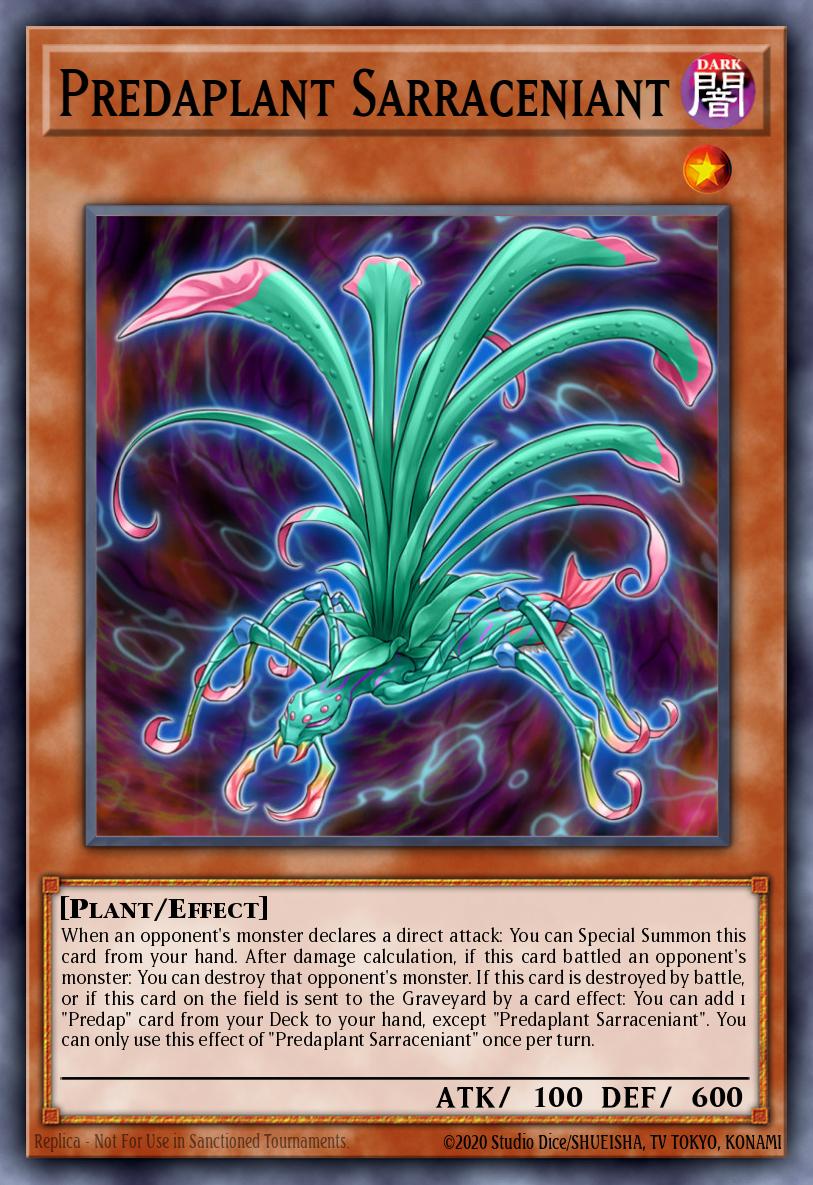
Predaplant Sarraceniant is often the reason your opponent can't finish you off early, thanks to its ability to summon itself when your opponent attacks directly. If your opponent continues to attack, Sarraceniant will destroy that monster after battle, allowing you to add a "Predap" card from your deck to your hand when it is destroyed.
Additionally, it can also search if sent from the field to the Graveyard by card effects, including those of Predaplant Ambulomelides and Fusion Spells . Note: you can only activate the search ability if it is used as a Fusion Material on the field – if it is used as a Link or XYZ Material, the effect will not be activated .
Predaplant Ophrys Scorpio (x1-3)
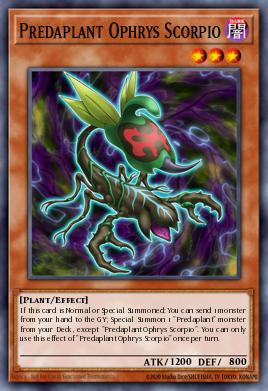
This is one of the most important starter cards in the deck , usually the second choice you should look for with a Skill. This card allows you to summon a Predaplant monster from your deck by discarding another monster from your hand, allowing you to quickly create more “bodies” on the field to launch combos.
Even though this is the archetype's UR card, you can definitely play just one copy since it's easily found through skill. However, having more copies will greatly increase your chances of getting an ideal Scorpio + Byblisp opening early on.
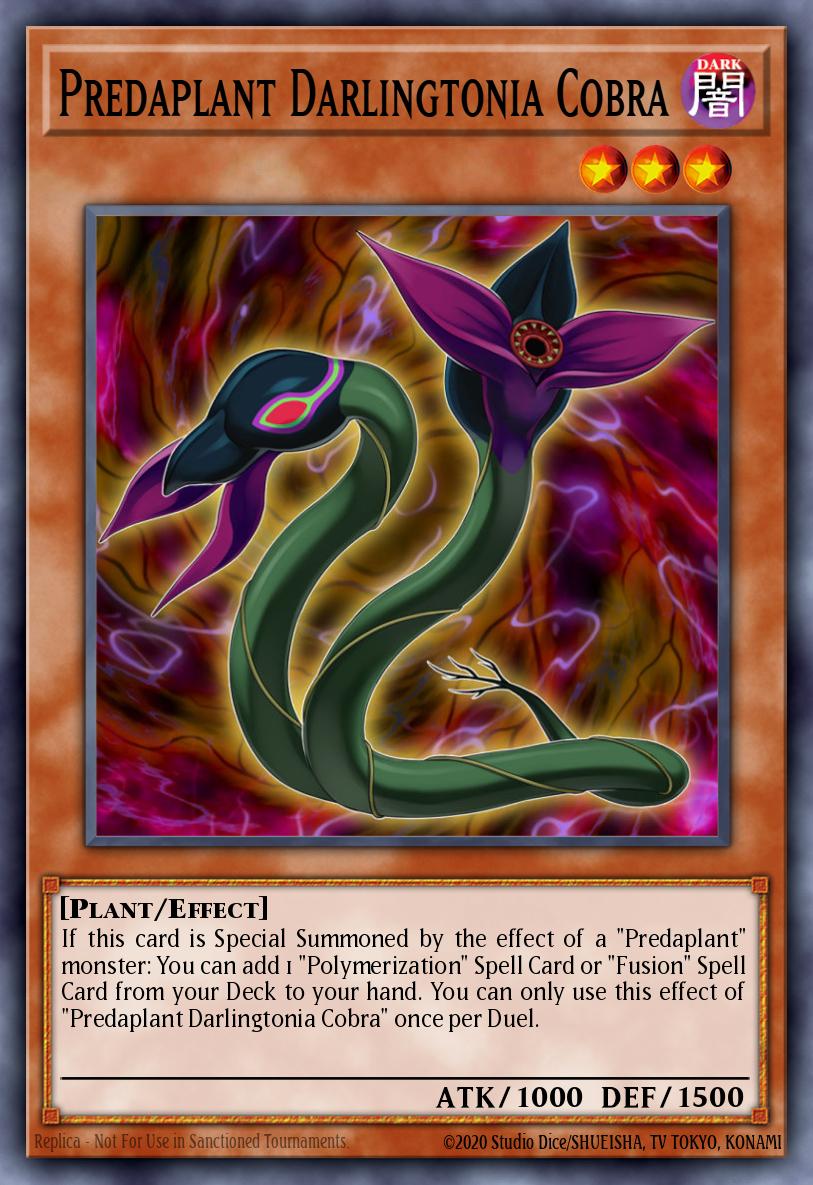
Predaplant Darlingtonia Cobra (x2)
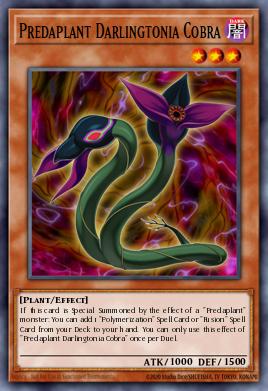
The role of this card is to be special summoned by the effect of Predaplant Ophrys Scorpio or Predaplant Ambulomelides to then add the Spell "Fusion" or "Polymerization" from your deck to your hand (but only once per match). You should play 2 copies, because the card will become a brick if you draw it. If you draw both, you should reconsider your strategy...
Predaplant Chlamydosundew (x1)

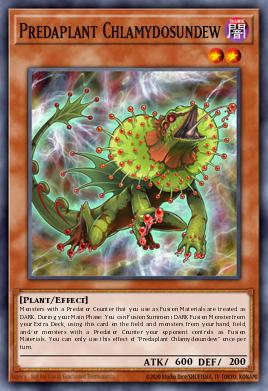
This monster is a "lightweight" version of Super Polymerization .
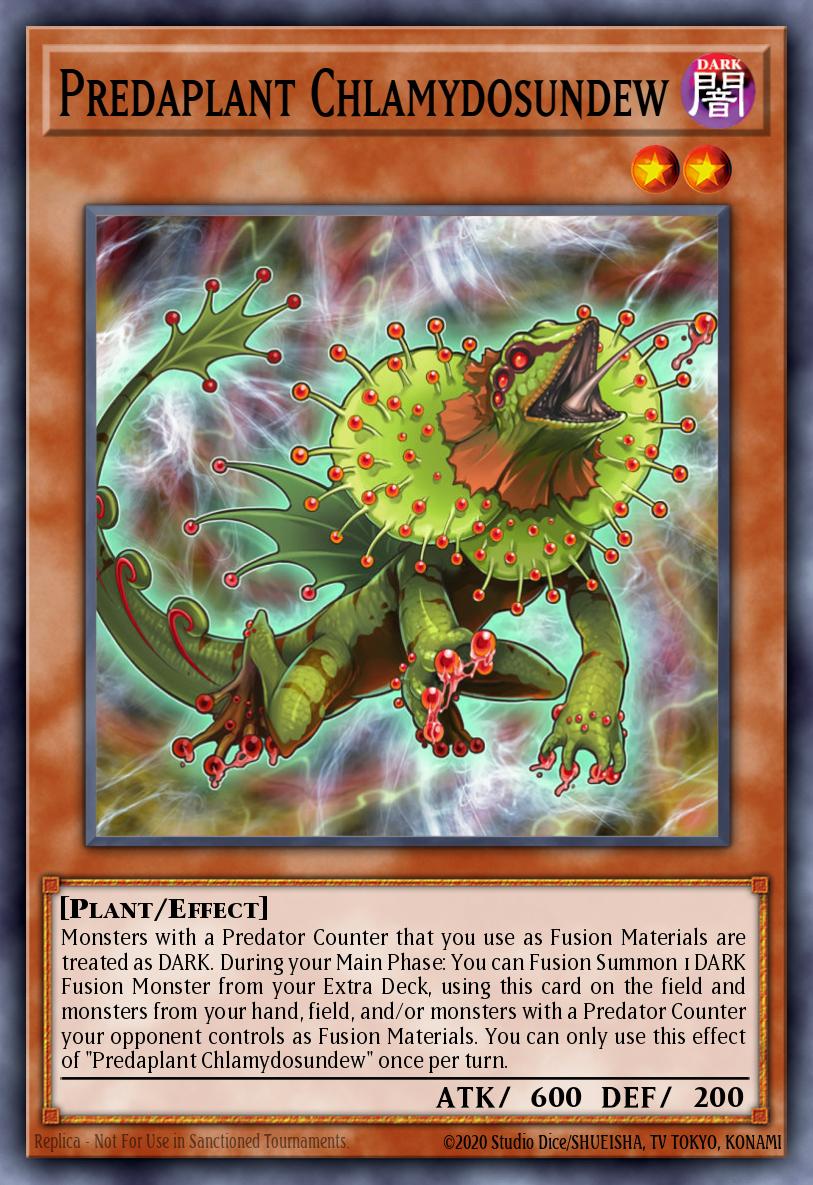
Predaplant Chlamydosundew 's effect allows you to Fusion with itself and an opponent's monster , as long as that monster has Predator Counter . You can still use monsters from your hand or field if you want to expand your material options.
Most Fusion monsters in the Predaplant set require a DARK monster as their material. Clamydosundew makes things a lot easier, as when used to Fusion, it turns any monster with Predator Counter into a Dark type , regardless of their base type. This allows you to Fusion to remove almost any threat on your opponent's side of the field, regardless of their element.
Predaplant Spinodionaea (x0-1)
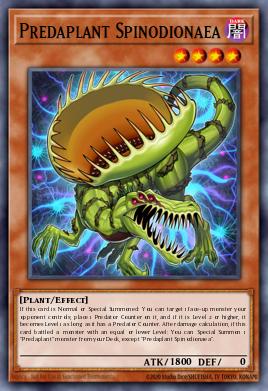
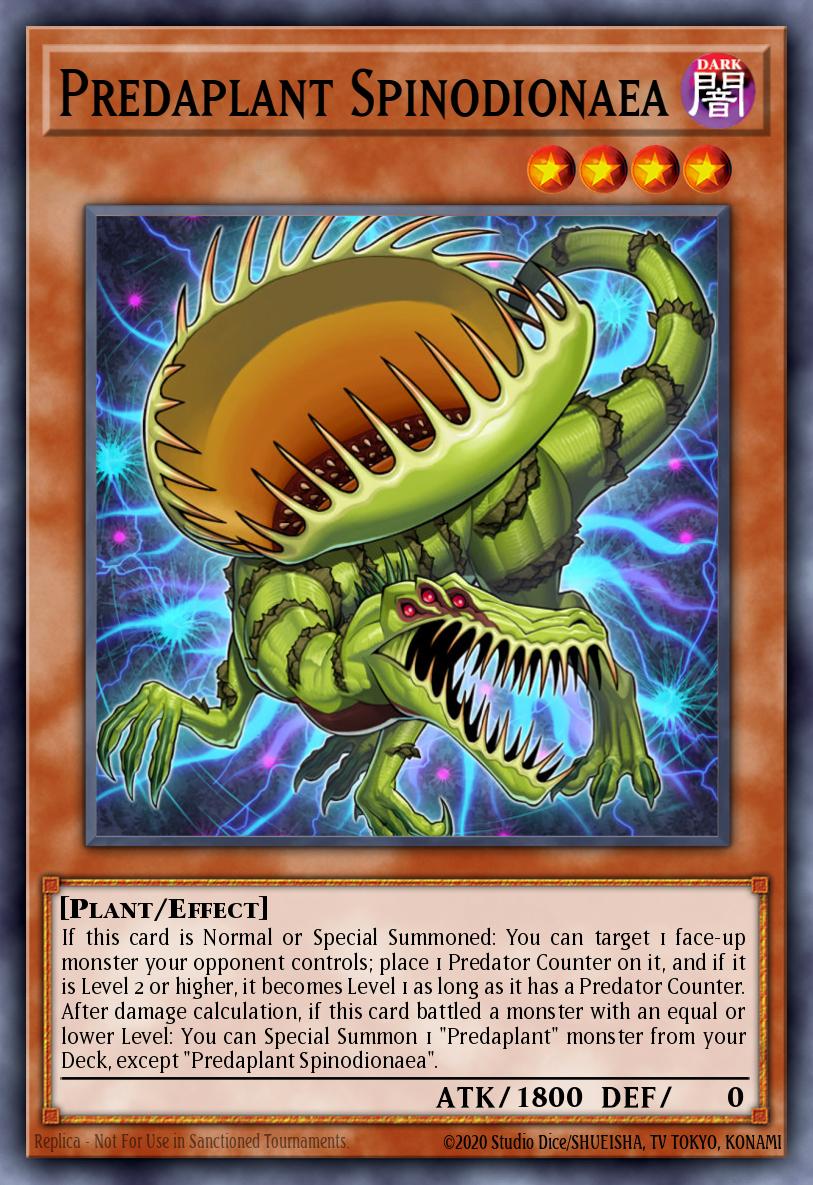
Some players favor Heliamphorhynchus for its high ATK (1800) and the ability to place a Predator Counter on an opponent's monster. Most of the main monsters in the Predaplant deck have ATK of 1200 or less, so the 1800 ATK Heliamphorhynchus can be a powerful offensive card that can help finish off opponents when combined with Predaplant Dragotapelia or Predaplant Chimerafflesia . Additionally, this card is a useful "Predap" replacement if you lack copies of Predaplant Ophrys Scorpio (for example, do not have 3 copies).
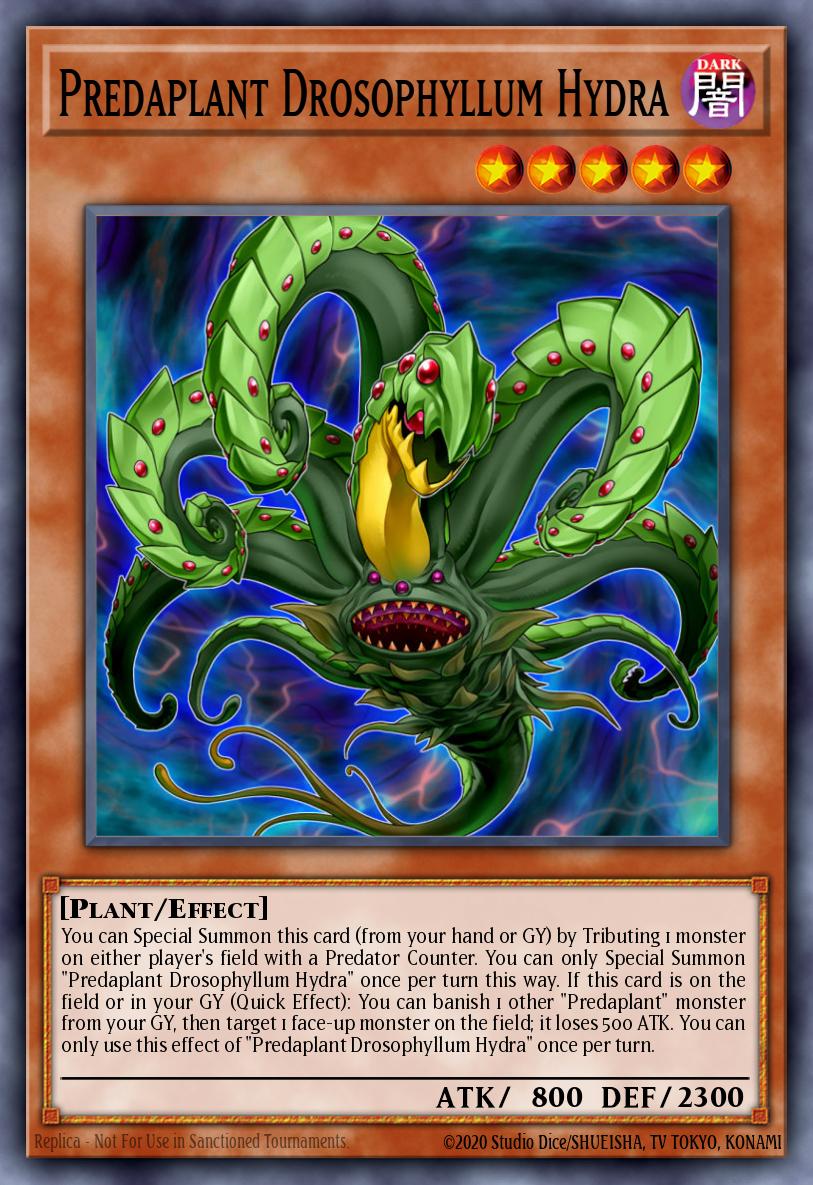
Predaplant Drosophyllum Hydra (x1)

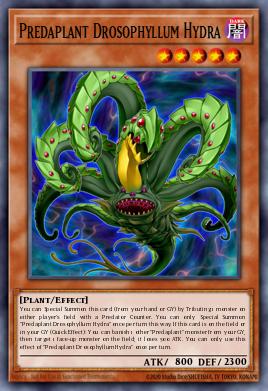
This is the card that makes many people "hate" this deck.
Predaplant Dragotapelia Hydra acts almost like a “Kaiju” – a monster that can Tribute your opponent’s monster to Summon itself , without giving your opponent a chance to respond. However, Hydra can only Tribute your opponent’s monster that is marked with Predator Counter . Thanks to your Skill, you can easily place Predator Counter on your opponent’s monster , then search for Hydra and remove the threat , even if it is protected.
Not only that, when Hydra is on the field or in the Graveyard, you can reduce the ATK of your opponent's monster by banishing another Predaplant monster from the Graveyard. This effect not only reduces attack power , but the "banish" part can also negate cards like Ice Dragon's Prison by banishing the same Predaplant monster your opponent tried to revive (as long as it's not a Hydra).
Predaplant Squid Drosera (x1)

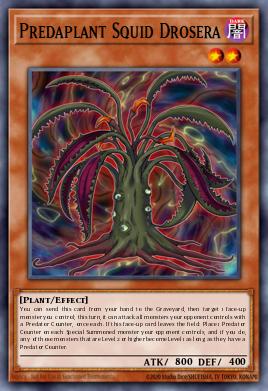
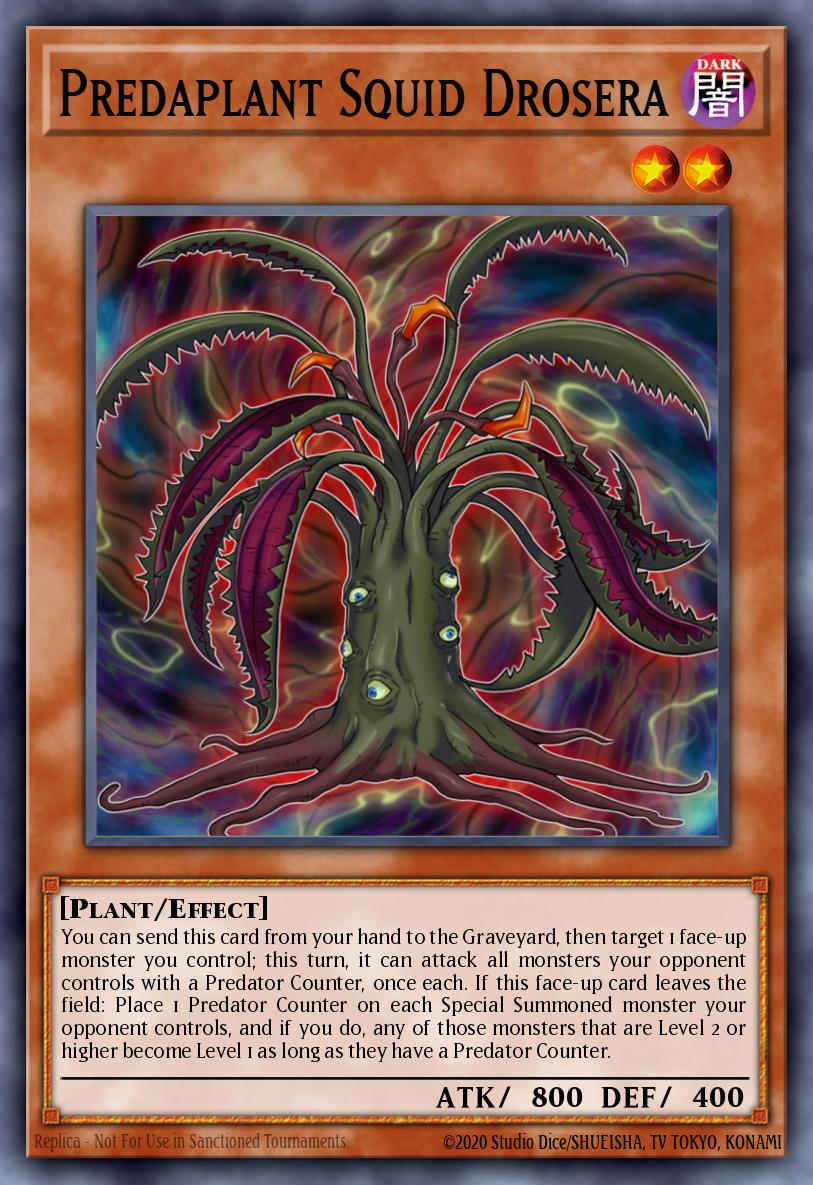
Although not the most frequently used card in the deck , Predaplant Drosera is extremely useful against monsters that cannot be targeted . When sent from the field to the Graveyard, Drosera will place Predator Counters on all Special Summoned monsters your opponent controls . This allows you to remove those monsters with cards like Predaplant Drosophyllum Hydra or Predaplant Chlamydosundew .
Additionally, Drosera has a second effect when discarded from the hand to the Graveyard : allowing one of your monsters to attack all opponent monsters with Predator Counters that turn. However, this effect is not often effective in actual combat situations.
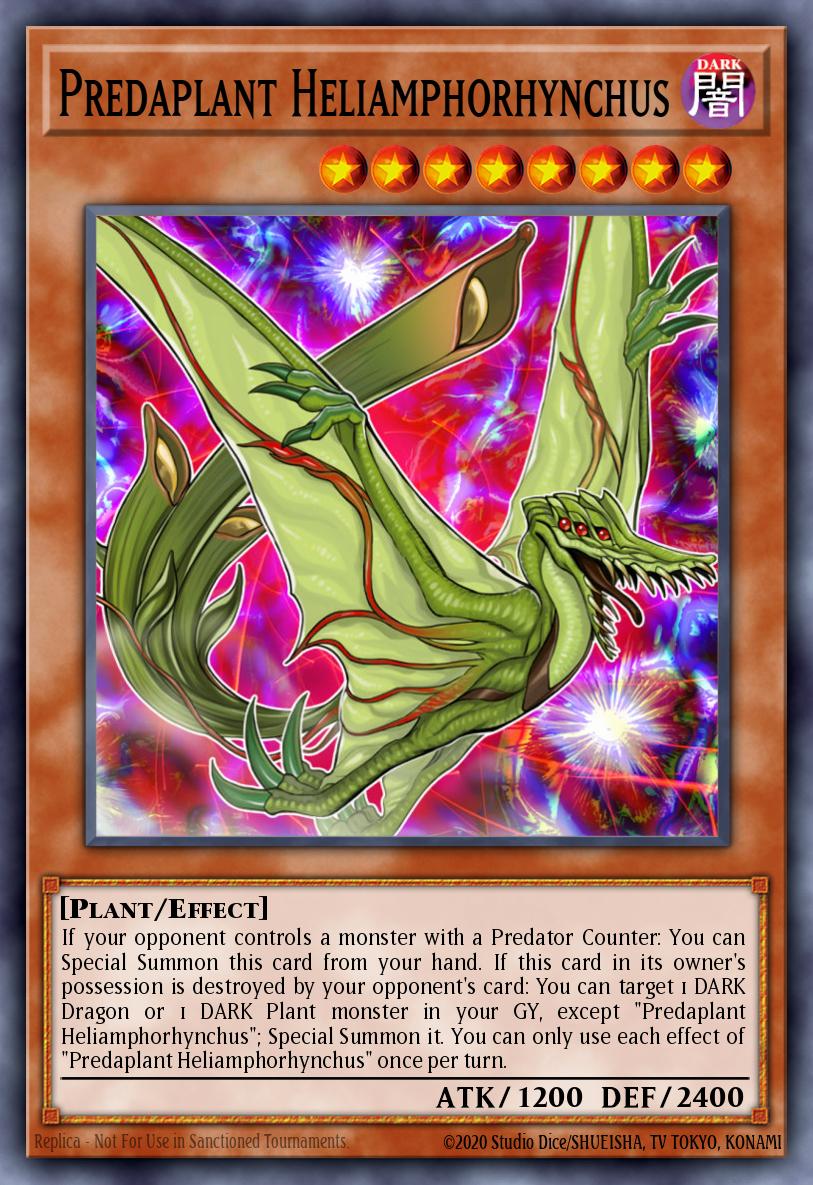
Predaplant Heliamphorhynchus (x0-1)
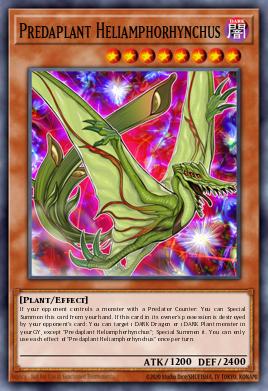
Card Heliamphorhynchus used to be an important card in Predaplant decks, especially when the meta was dominated by HERO . At that time, HERO capable of easily destroying Predaplant's first turn. However, Heliamphorhynchus gives great advantage by special summoning a Predaplant monster or Starving Venom Fusion Dragon from the graveyard when destroyed. The highlight is the ability to revive Predaplant Dragotapelia , takes advantage of its powerful negation effect, especially after being HERO remove by Super Polymerization .
Additionally, Heliamphorhynchus can be Special Summoned from the hand if your opponent has a monster with Predator Counter placed on it. This is an effective way to increase the number of monsters on the field, facilitating subsequent combos.
With the decline of HERO in the current meta and the limited availability of Predaplant Dragotapelia (Limited 1), Heliamphorhynchus has seen less play. However, this card is still useful in some situations, especially when you need flexibility in your strategy.
Spell/Trap
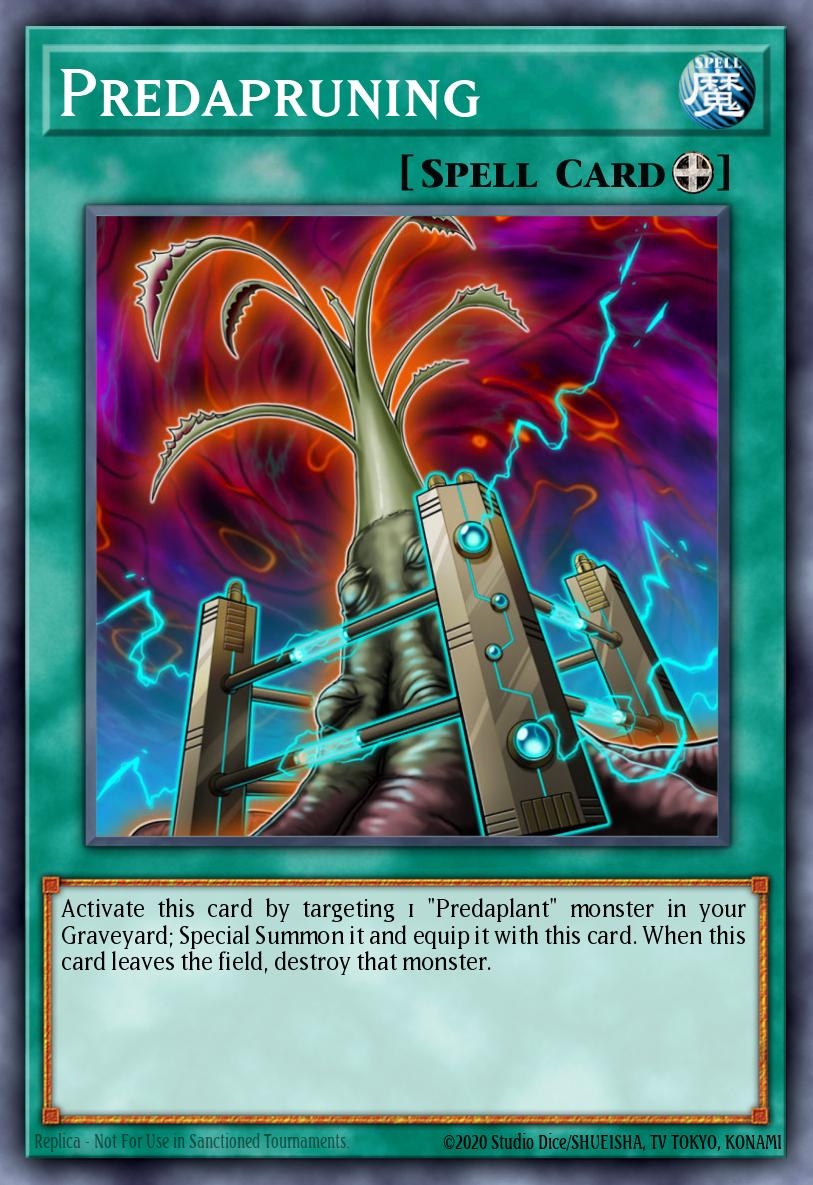
Predapruning (x2-3)
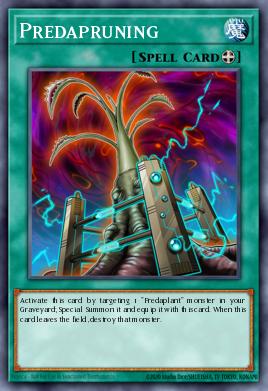
This special equipment spell summons any Predaplant monster from your graveyard with the drawback that the monster would be destroyed if this card was removed from the field. This is your main recovery card to re-summon any of your important Predaplant monsters, including Extra Deck bosses.
Predaplast (x1)
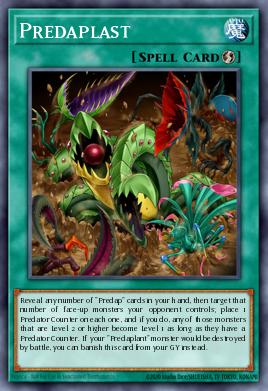
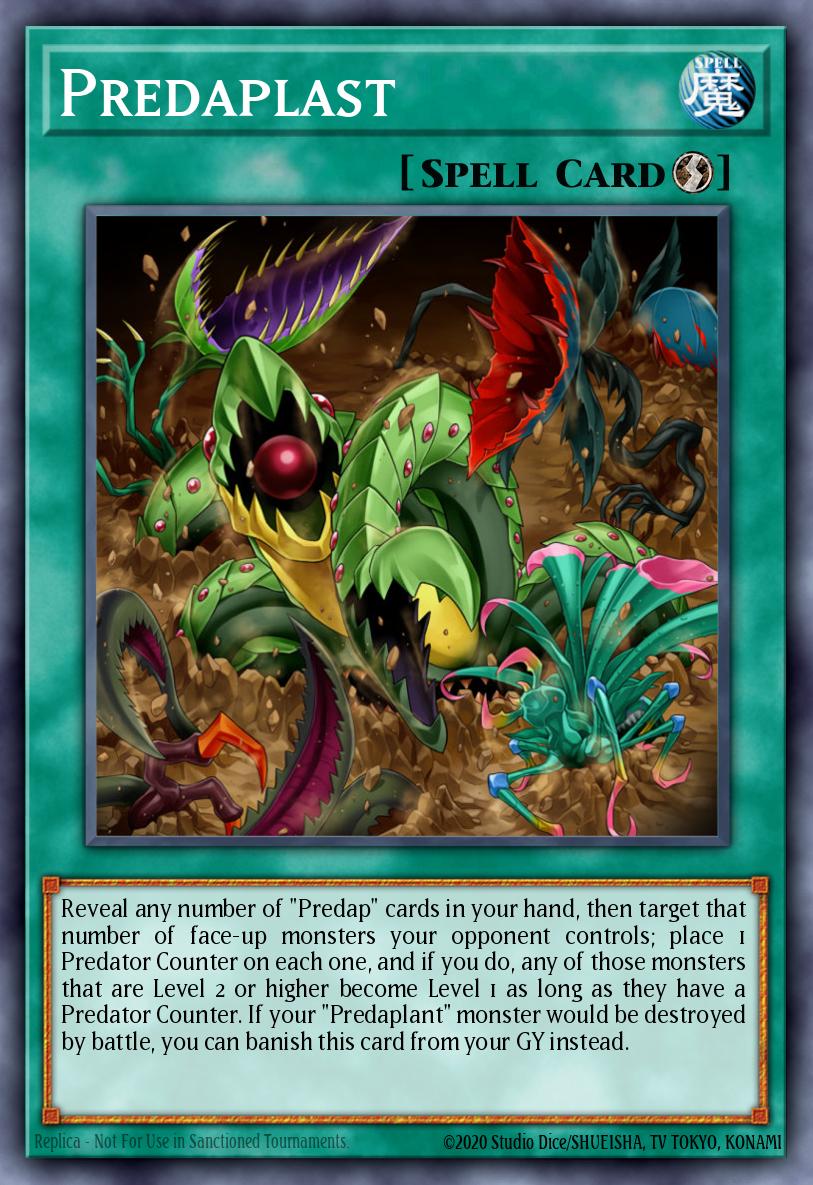
This card is one of the deck's strongest ways to scatter Predator Counters onto your opponent's monsters, allowing you to place as many Predator Counters on them as you reveal in your hand (and are Quick Spells). When combined with Predaplant Dragotapelia , it allows you to potentially negate the activated effects of multiple monsters at once. Even without Dragotapelia, this card can still act as a disruption against decks that require precise levels, such as Synchro and Xyz decks that require precise stars to summon XYZ or Synchro, as any monster with a Predator Counter becomes level 1.
Predaplast also has a second effect in the graveyard that can protect one of your Predaplant monsters from being destroyed in battle by banishing itself from the graveyard. This protection can be used on Predaplant Sarraceniant to allow it to potentially destroy two monsters via its destruction effect in the same Battle Phase.
Predapractice (x0-1)

Some players don't use this card, but it can be a great expansion tool that allows you to special summon another Predaplant monster from your hand to the field after you've used your normal summon. It also searches for a "Predap" card from your deck afterwards. The downside to this card is that it limits your Extra Deck summons, only allowing you to Fusion summon for the rest of the turn, so it's not the best starter card.
Predaponics (x2)
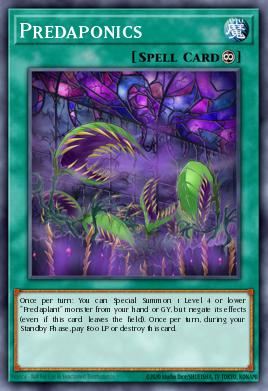
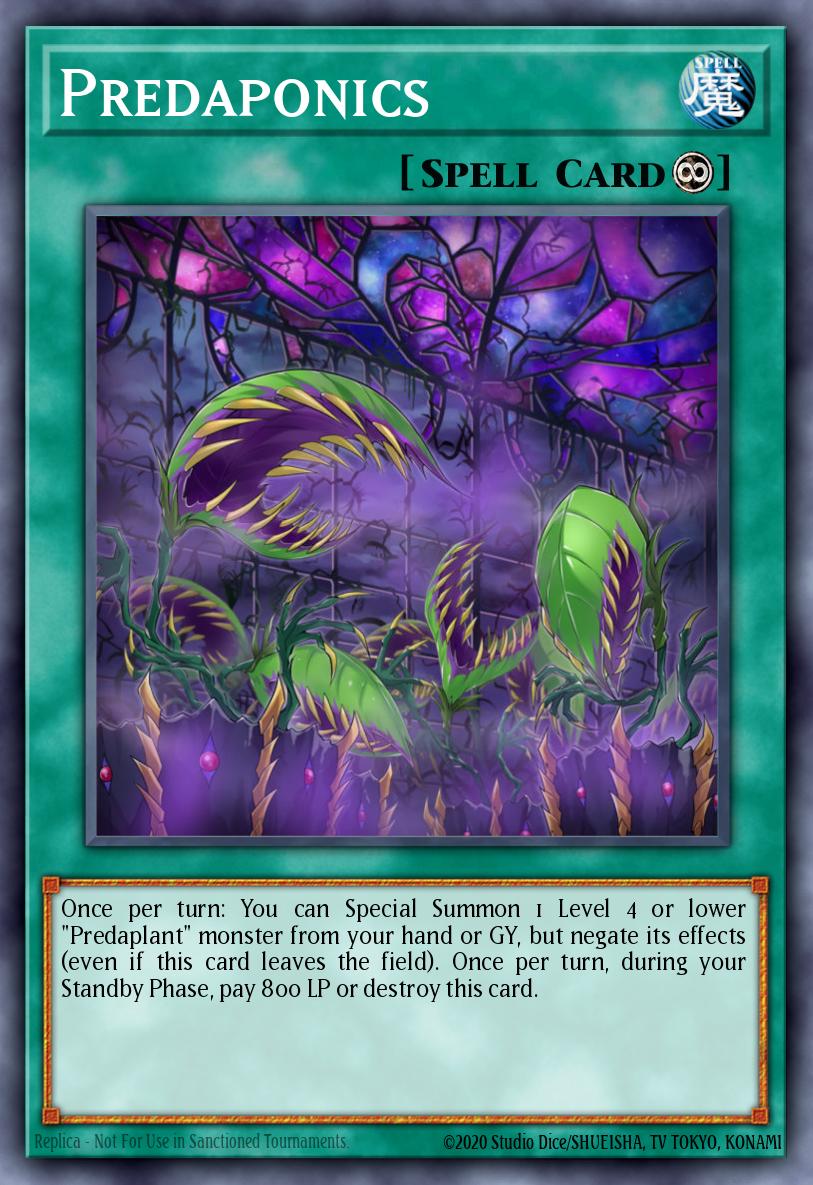
This Continuous Spell summons a 4-star or lower Predaplant monster from your hand or graveyard, but its effects are negated. This card is essential for recycling the effects of your monsters that need to leave the field to be activated, such as Predaplant Byblisp and Predaplant Sarraceniant , and for creating additional "bodies" on your field. Note that each copy of this card on your field costs 800 LP during your Standby Phase to maintain.
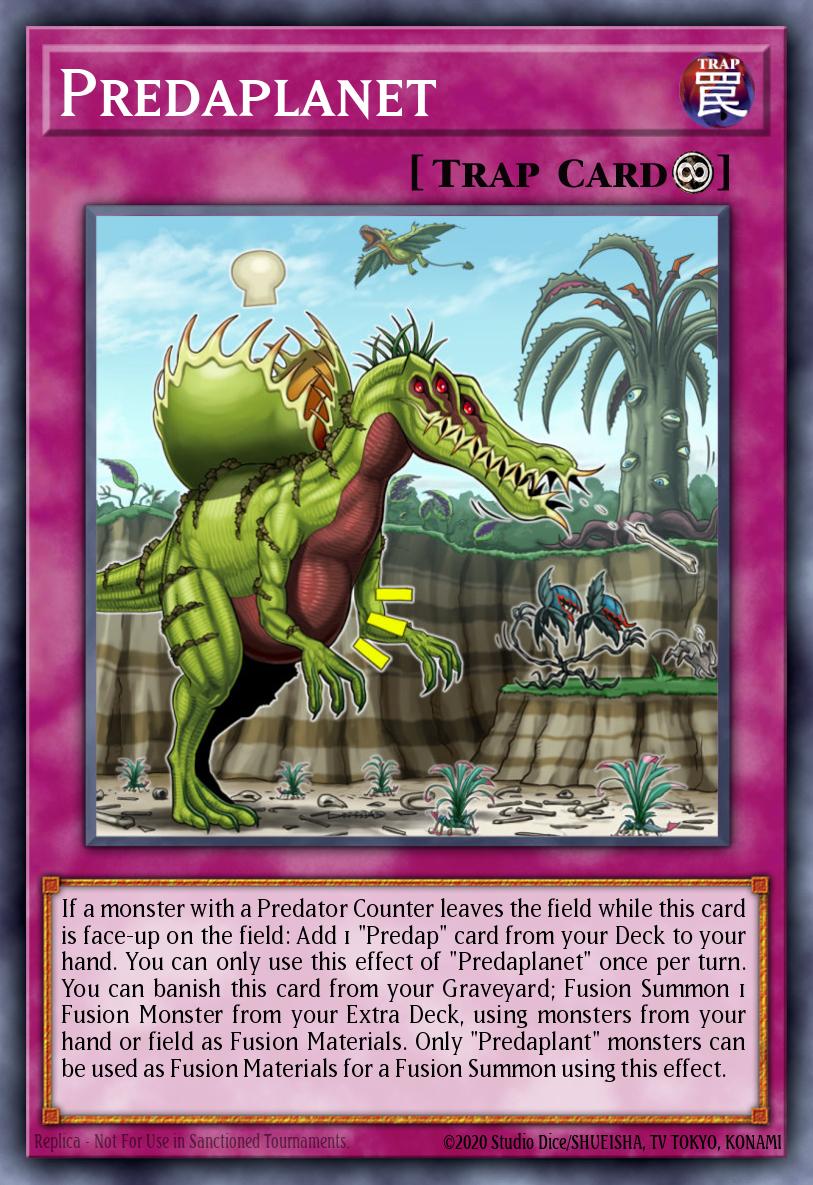
Predaplanet (x0)
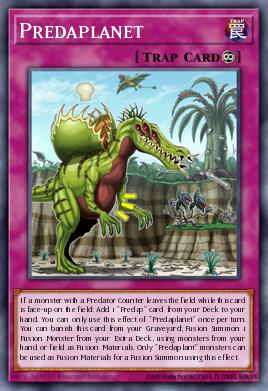
This card is primarily used as a discard because its effect in the graveyard triggers a quick Fusion summon effect. Its main use in the early months of this deck was to Fusion summon a second Predaplant Dragotapelia on your opponent's turn to Negate it a second time. It was also often useful for dodging targeted effects like Fiendish Chain on your monsters by fusing them off the field. And, it could allow you to Fusion summon during the Battle Phase for continuous attacks.
Now that Dragotapelia is 1-limited and no longer ideal for play in the deck, Predaplanet's primary defensive use is to summon a Starving Venom Fusion Dragon or Predaplant Chimerafflesia to block attacks during the Battle Phase. Additionally, it can be used to summon a second Predaplant Ambulomelides if it's enough to block your opponent's push; doing so allows you to search for the next attack via Ambulomelides' effect.
Fusion Recycling Plant, Fusion Substitute and Fusion Recovery (x1)

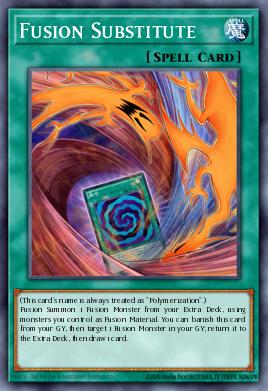
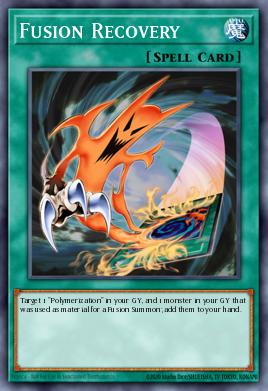
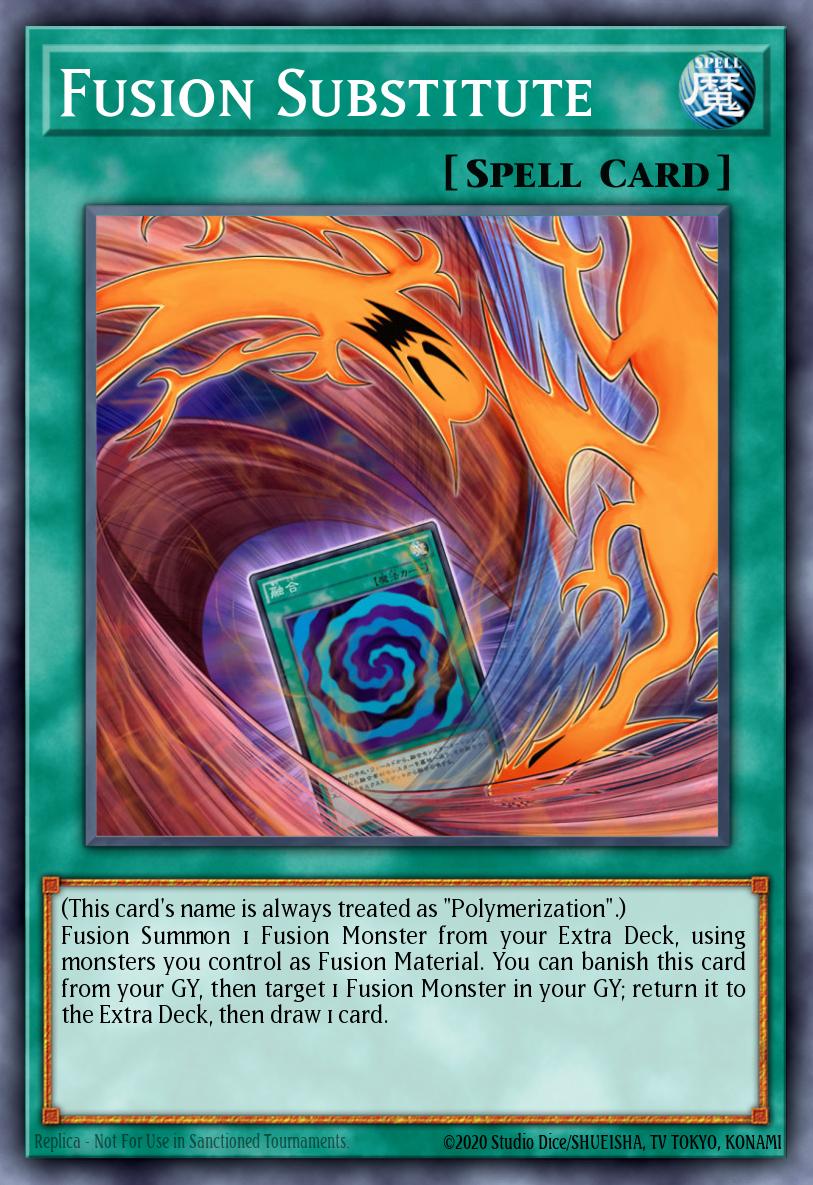
All three of these cards can be searched through Predaplant Darlingtonia Cobra . Normally, you search for Fusion Recycling Plant to discard a card and search for Fusion Substitute, which allows you to Fusion Summon nx times and then Draw 1 by banishing it from your graveyard (this effect also recycles one of your Fusion monsters). Fusion Recycling Plant also recycles a Fusion Material from your graveyard back into your hand at the end of the turn. This is important for sustaining long-running games.
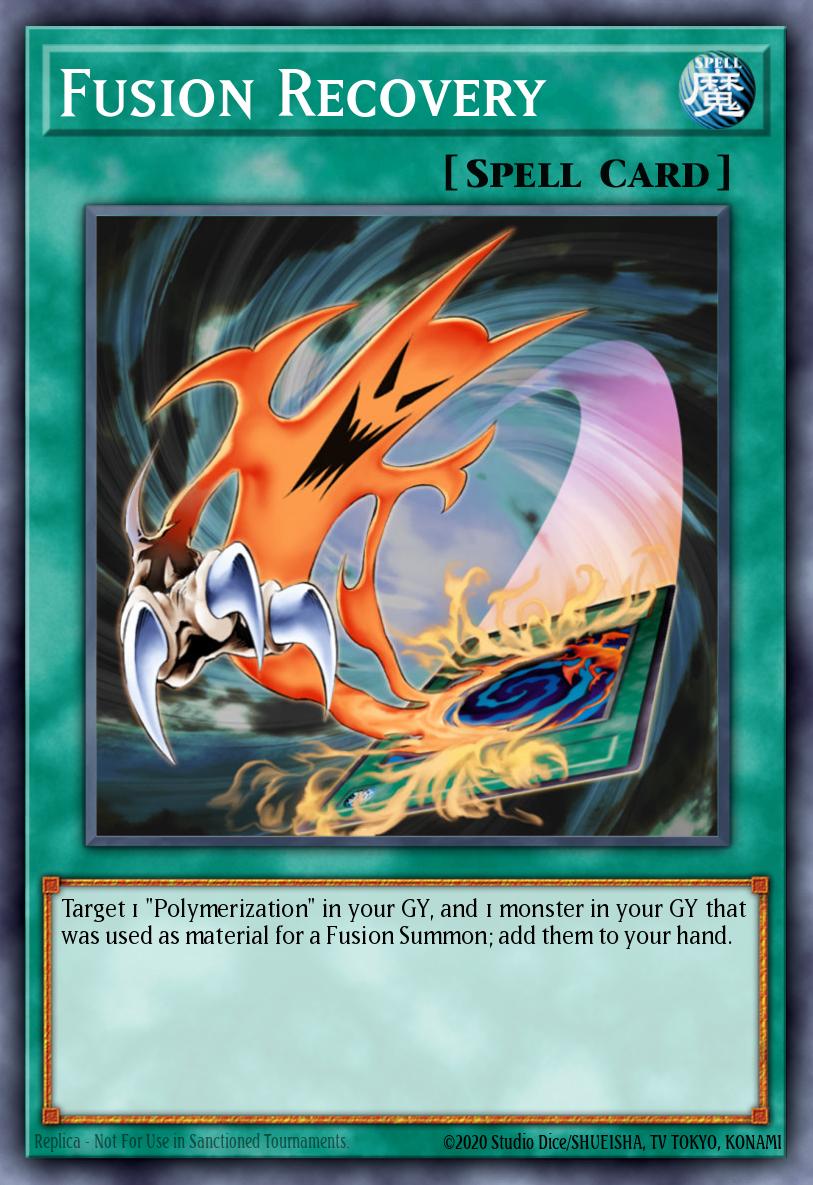
Additionally, you can use Cobra to search for Fusion Recovery to add Polymerization and Fusion material from your graveyard to your hand. This allows you to summon additional Fusion without having to discard, which can be useful if you're behind and need resources. Fusion Recovery can also be searched for via Predaplant Chimerafflesia the turn after it's sent to the graveyard.
Extra Deck
Predaplant Dragostapelia (x0)
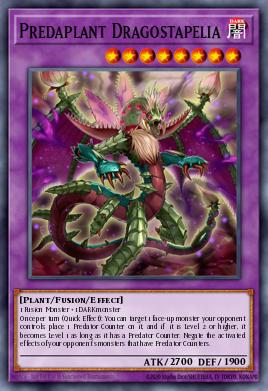
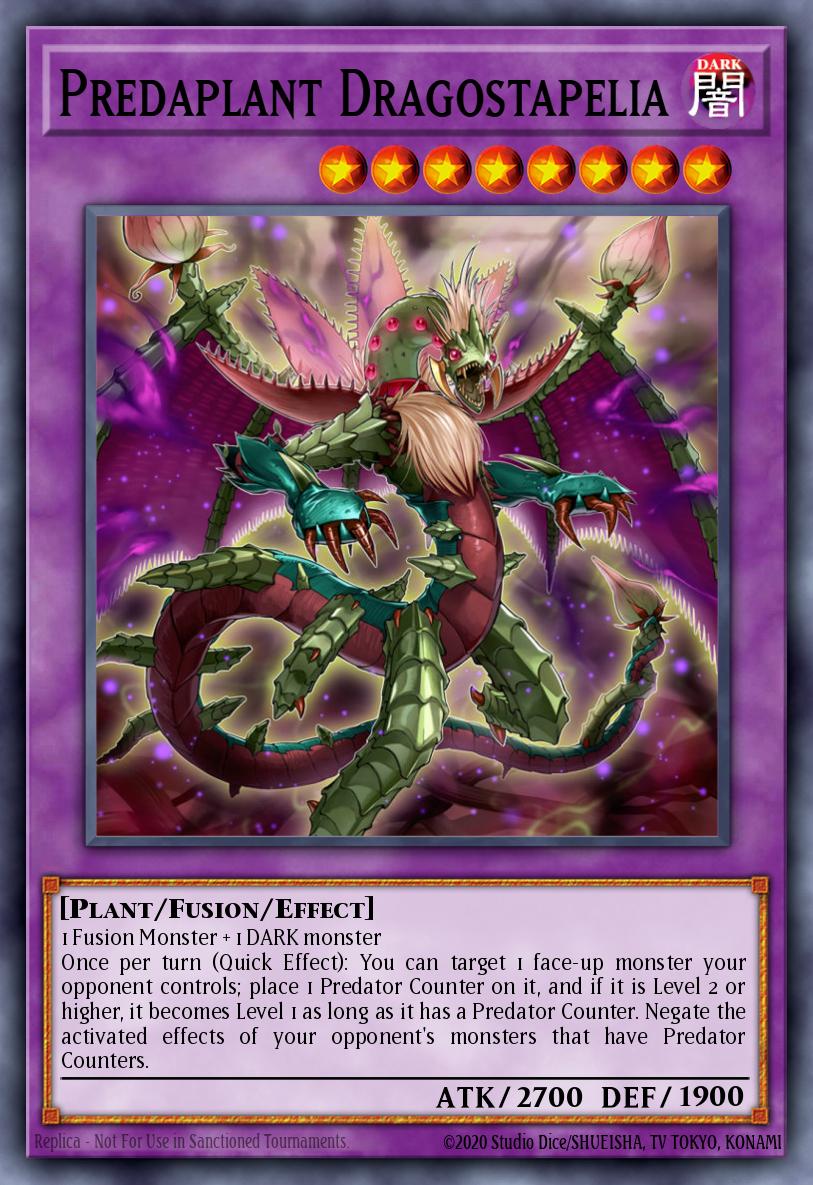
This was a staple in the deck for a long time, but is no longer in play due to its recent Limit 1 status, causing it to conflict with Predaplant Drosophyllum Hydra . Dragotapelia is the main boss of the deck, negating the activated effects of any opponent's monster with Predator Counter and placing Predator Counter on the opponent's monster through its quick effect.
Since being pushed to Limited 1, Dragotapelia has been removed from the deck and replaced with Hydra, a card that is essential to breaking up any crazy Turn 1 deck these days. The deck still has a strong Turn 1 even without Dragotapelia thanks to I:P Masquerena and Lyrilusc - Ensemblue Robin . Perhaps if we enter a meta where Turn 1 combo decks are no longer popular, we can play Dragotapelia again instead of Hydra.
Predaplant Chimerafflesia (x1)
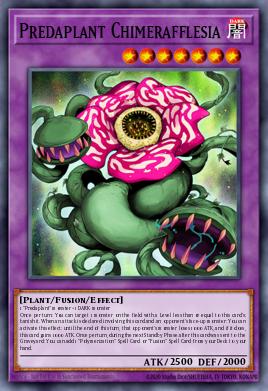
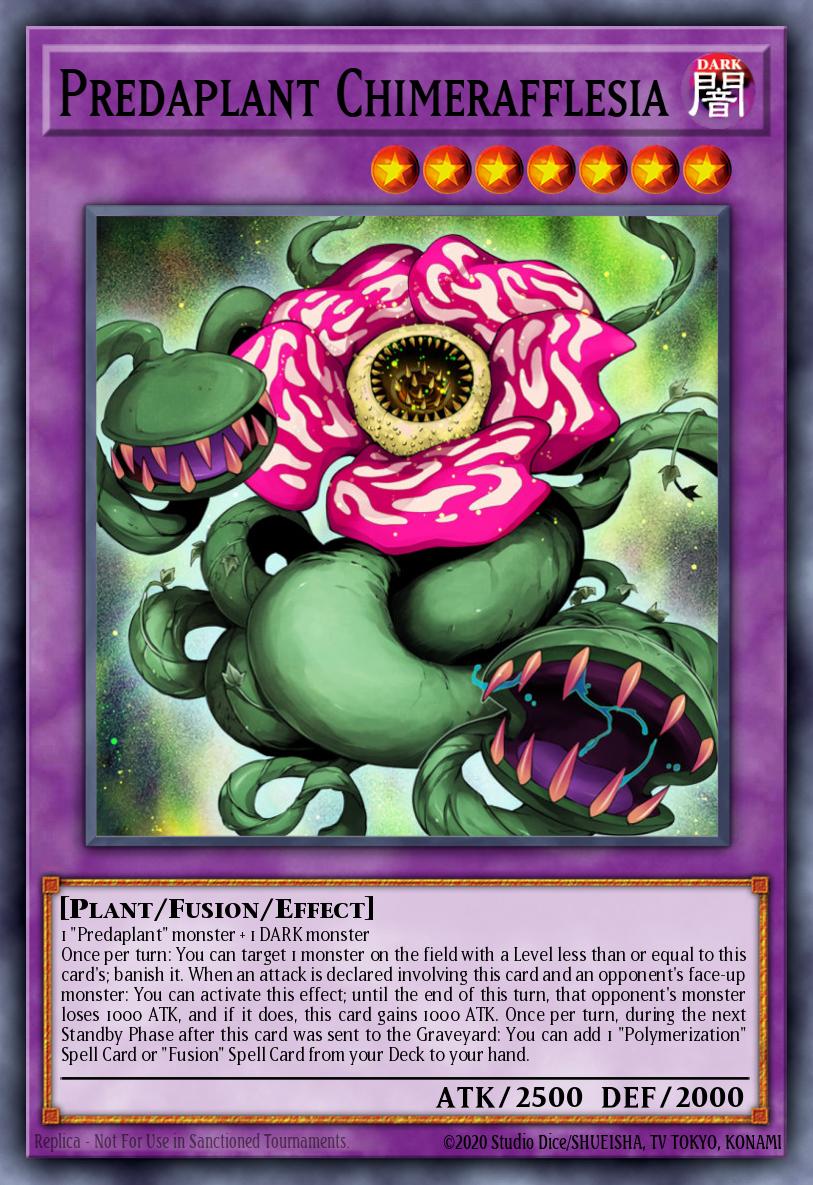
This card is one of your main attack Bosses along with Starving Venom Fusion Dragon . Fusion summoning is easier because you can use Fusion materials from your hand and also has an ATK increase effect when battling your opponent's monster, reducing their ATK by 1000 and increasing its own ATK by 1000.
More importantly, this card can banish monsters of equal or lower level than it. This effect is easy to set up because any opposing monster with Predator Counter will be reduced to 1 star. Therefore, Chimerafflesia is one of your important removal options.
This card also has a second effect, if it is in the graveyard during the Standby phase, it allows you to search for a "Fusion" Spell card, like Fusion Recovery , from your deck. This is great for long-term play.
Predaplant Ambulomelides (x1-2)
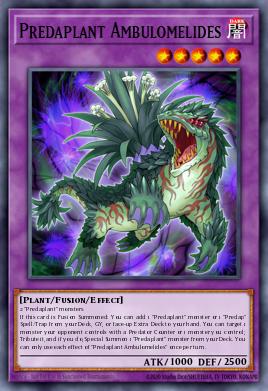
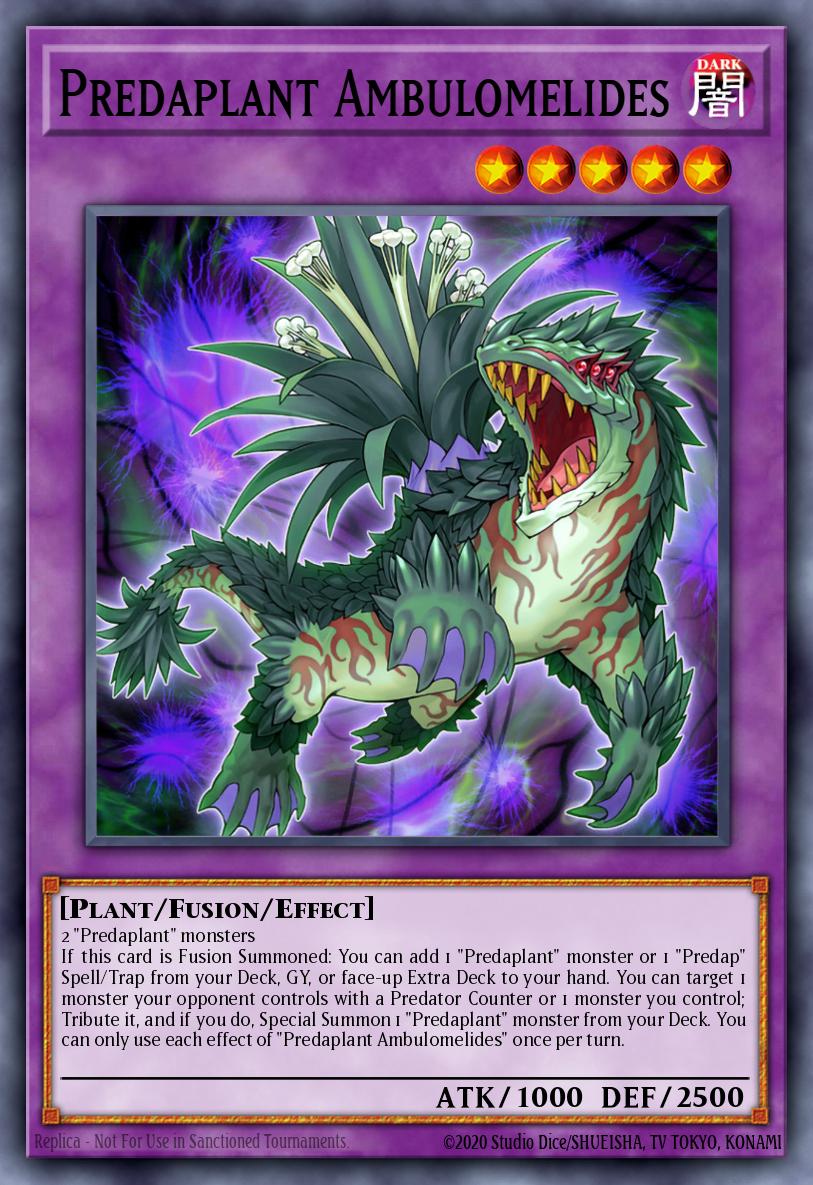
This card is the centerpiece of the deck. When summoned with Fusion, it can search for any "Predap" card from the deck or graveyard to start the main phase. Additionally, it can Tribute any of your or your opponent's monsters with Predator Counter to special summon any Predaplant monster from the deck. This effect makes it both a way to ward off any Predaplant monster you need, and a powerful card to disrupt your opponent's field setup.
Playing this card at x2 copies has now become standard after Predaplant Dragotapelia was downgraded to Limit 1. This card's 2000 DEF actually makes it a pretty good card to block attacks when summoned by Fusion with Predaplanet during your opponent's turn.
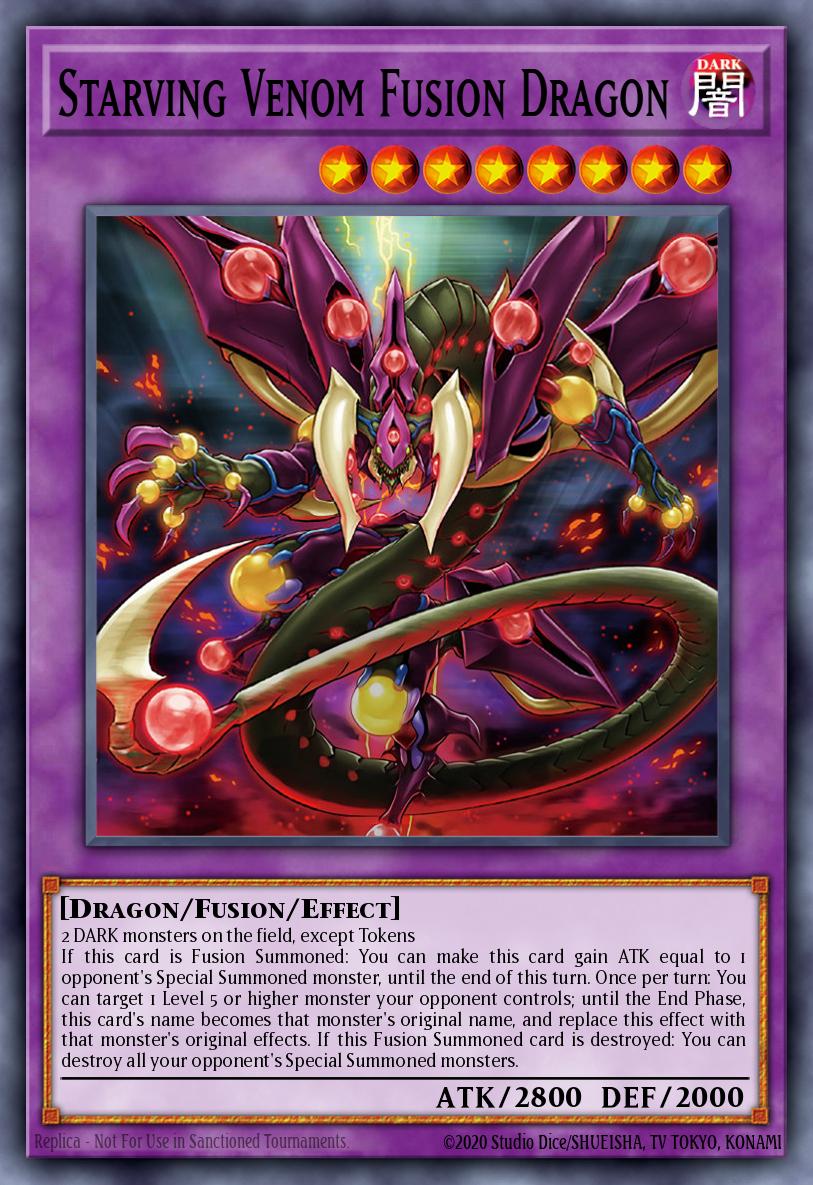
Starving Venom Fusion Dragon (x1)
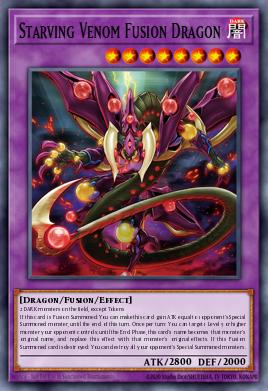
Despite being Yuri's key card, this card can be considered the least summoned Extra Deck monster. However, it is required for the skill to activate and it does have its uses.
It can gain ATK when Fusion Summoned, copy the effects of an opponent's monster, and destroy all of the opponent's special summoned monsters if it itself is destroyed. Fusion Summoning is a bit more difficult than other Extra Deck monsters because it requires Fusion Materials to be on the field, preventing you from Fusioning right from your hand.
During the first month of the deck, this card served as a great target for Super Polymerization , potentially removing 2 opposing monsters to summon the Fusion of this card. Unfortunately, Super Polymerization is no longer playable in this deck due to its Limit 1 status. Starving Venom is now often summoned to deal damage, usually as another attack through Predaplanet or to make a big attack after receiving an ATK boost. It can also be used as a defensive option to block attacks by being Fusion summoned with Predaplanet during the opponent's turn.
Lyrilusc - Ensemblue Robin (x1)

When this deck was first released, Lyrilusc - Assembled Nightingale took this spot in the Extra Deck. However, the bans on Assembled Nightingale and Ensemblue Robin were soon reversed and we now use Ensemblue Robin instead.
This card is one of the deck's key turn 1 end cards and is very easy to summon, as both Predaplant Byblisp and Predaplant Sarraceniant are level 1. Its effect allows you to return a monster to your opponent's hand when they try to special summon it. This effect does not happen once per turn, so you can often return two of your opponent's monsters for the value of one of this card.
x1
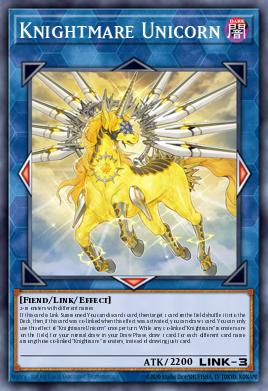
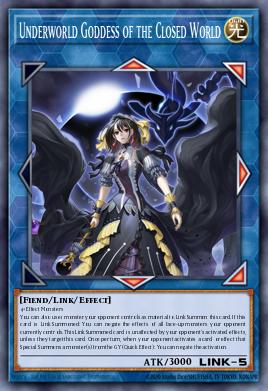

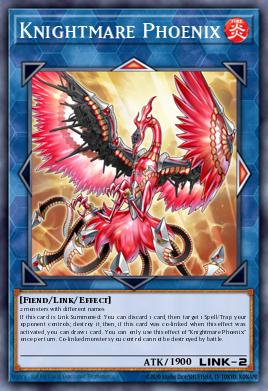
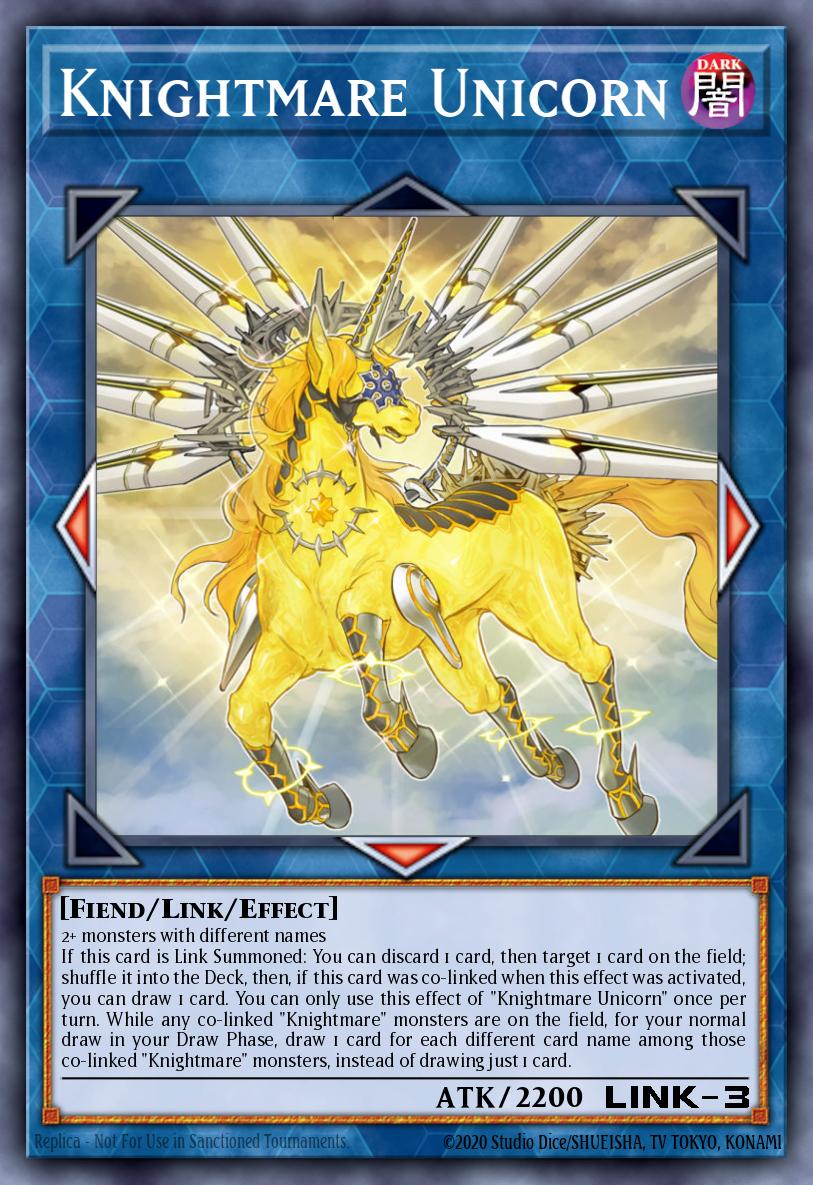
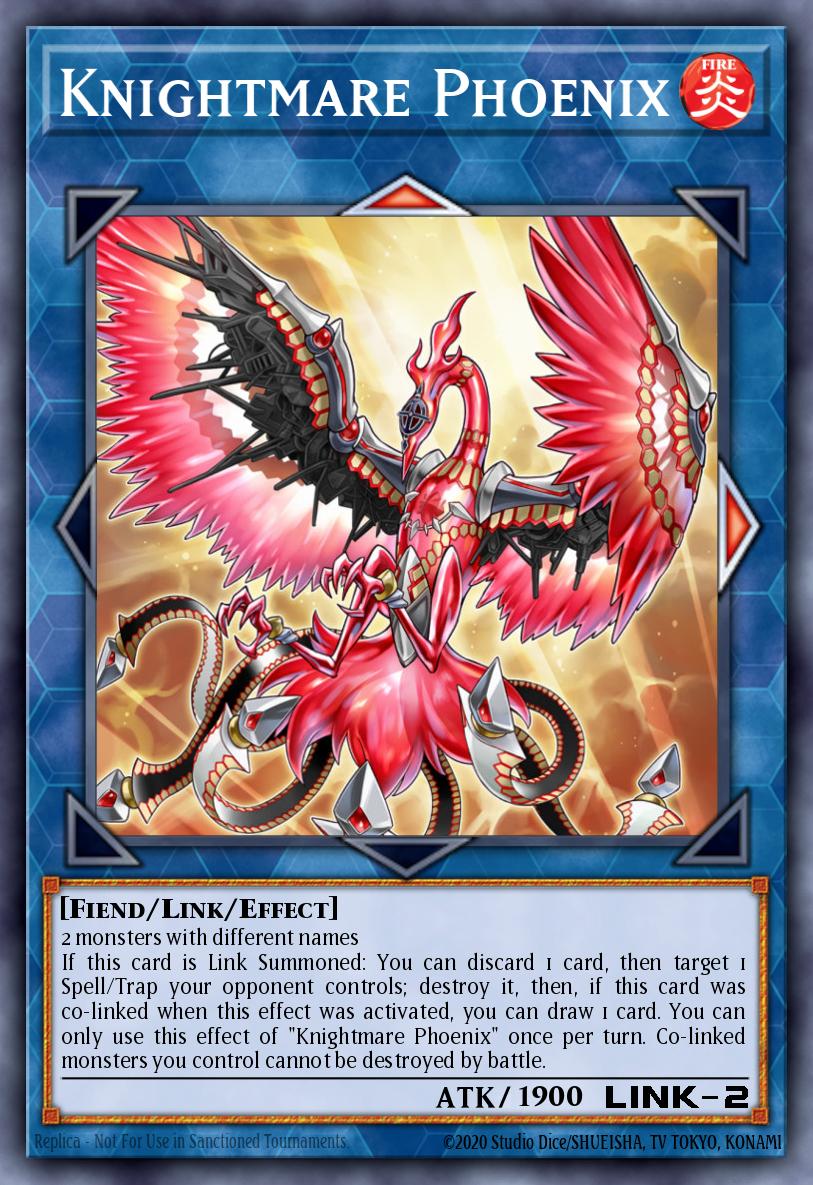
This is your typical Link monster package. Phoenix and Unicorn deal with your opponent's Spell and Trap cards, which the deck's main engine can handle on its own. Their removal effects can also come into play when something like Predaplanet is in the graveyard. Unicorn's counter ability is also useful for removing your opponent's face-down monsters, which the deck's main engine can handle on its own.
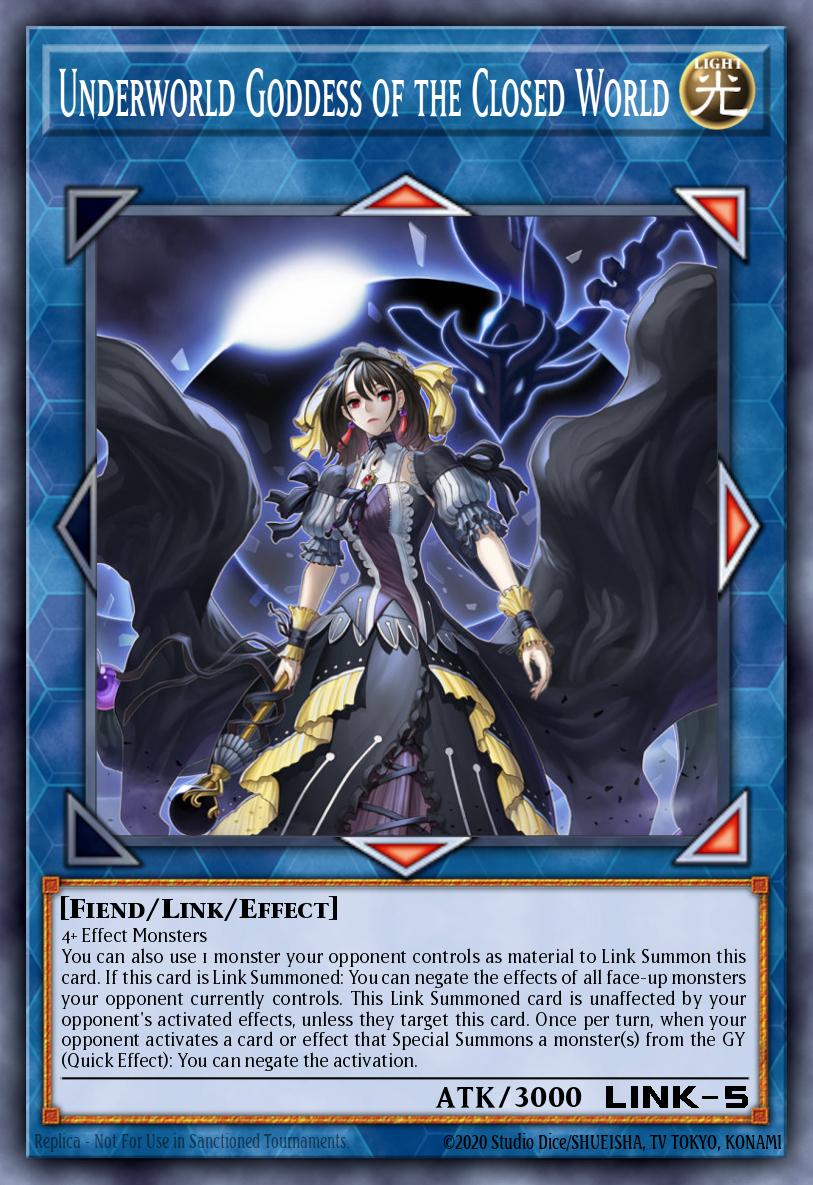
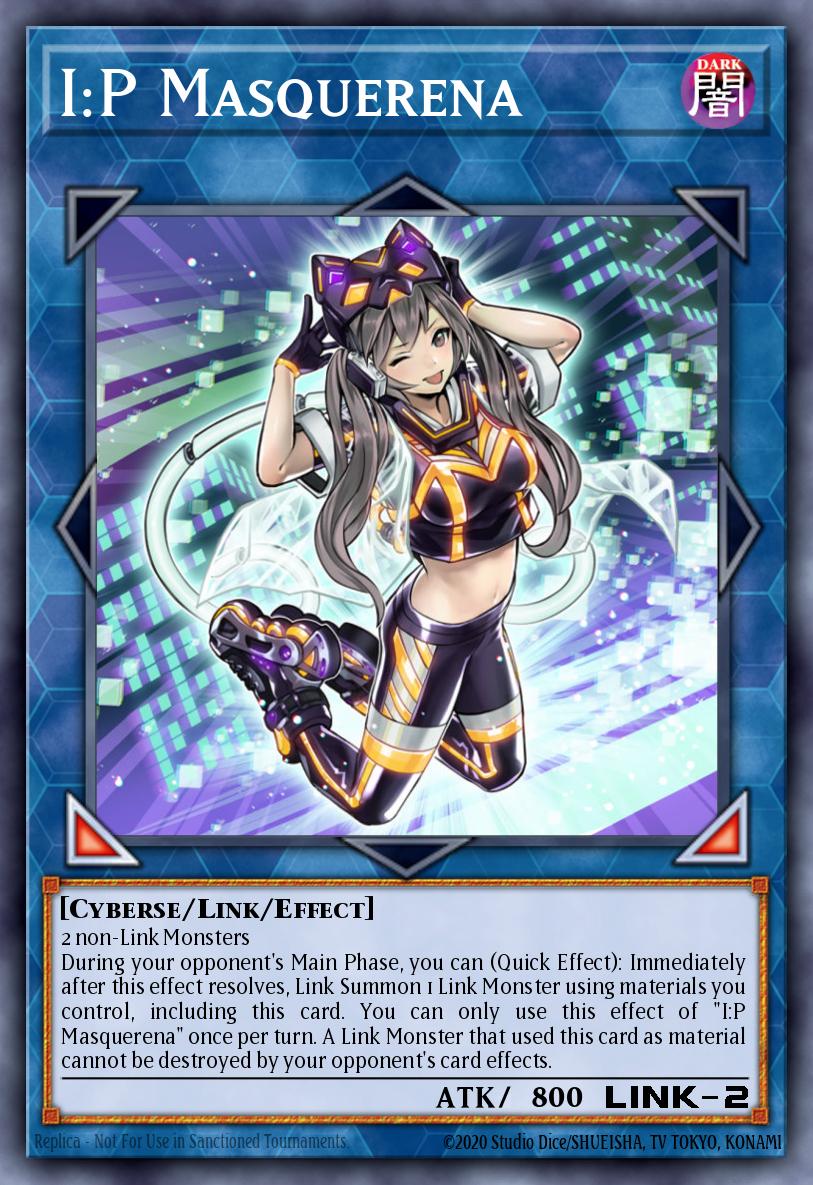
I:P became the central bottom card of the deck after Predaplant Dragotapelia was downgraded to Limit 1. It is often used to summon Unicorn or Goddess during the opponent's turn to return a card or remove a monster via Goddess' Link Summon. Note that to activate Link Summon Goddess, you need to have 2 other monsters besides I:P on your side of the field, in addition to the monster you want to remove from your opponent's side. This is usually easy to set up thanks to the deck's ability to spam bodies on the field
Goddess can also be used to attack during your turn as a second Predaplant Drosophyllum Hydra to remove enemy threats. Its negating effect of special summoning from the graveyard can also prevent your opponent from recovering after you destroy their field.
Unfortunately, I:P and Goddess are both Selections Box cards, making this deck quite expensive and difficult to come by these days.
Lyrilusc - Recital Starling, Full Armored Utopic Ray Lancer and Taotie Dragon (x0-1)
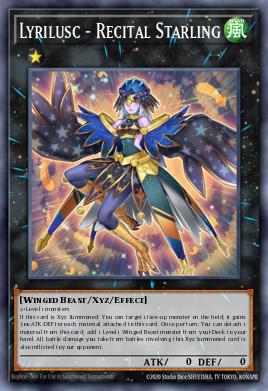
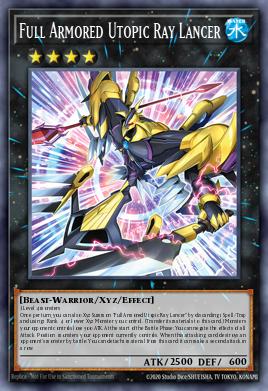
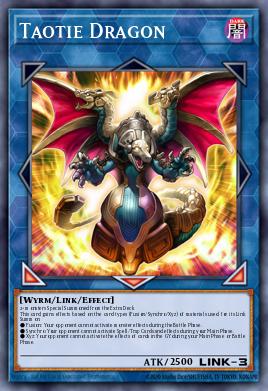
These are some of the most treasured Extra Deck cards that were used in the deck at some point.
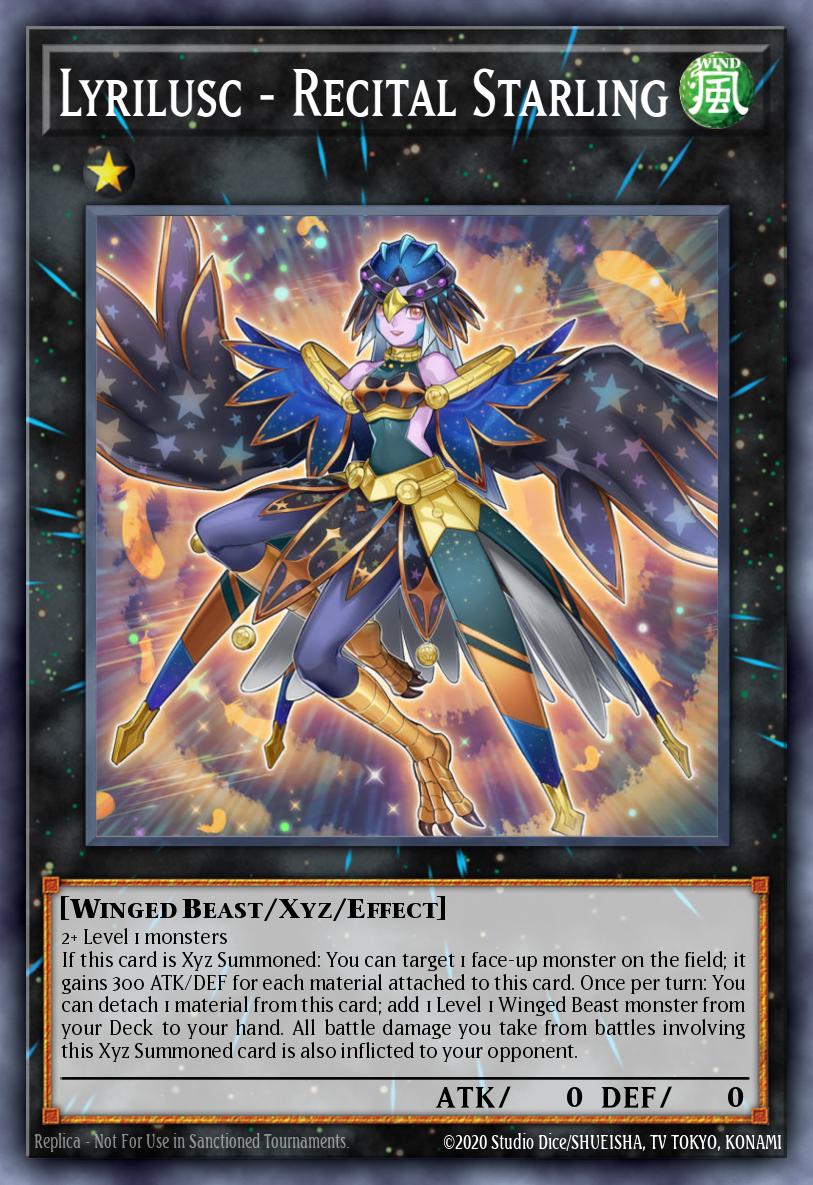
Lyrilusc - Recital Starling was used to find DD Crow for certain matchups. This happened with Lyrilusc decks, who often only played 1 copy of their main card, Lyrilusc - Cobalt Sparrow , and relied on reviving it from the graveyard. DD Crow would be used to disrupt their matchups by banishing Cobalt Sparrow. However, with the addition of I:P Masquerena and Underworld Goddess of the Closed World , DD Crow is no longer needed for the matchups it used to appear in.
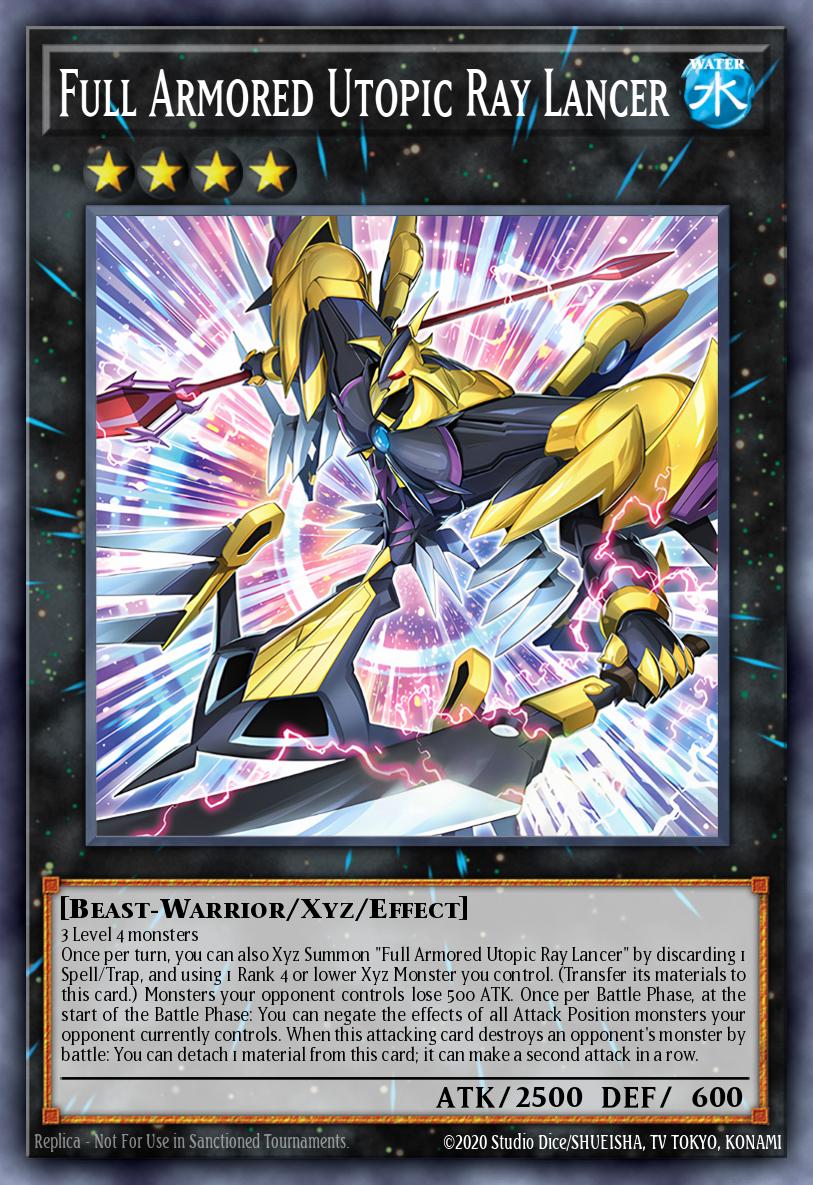
Full Armored Utopic Ray Lancer is also used against Lyrilusc decks. Its effect negates the opponent's Lyrilusc - Recital Starling and Lyrilusc - Assembled Nightingale by negating the effects of all monsters attacking the opponent at the start of the Battle Phase. This effect is used defensively to block attacks from Lyrilusc Xyz and offensively to safely attack Recital Starling without risking its burn effect. This card can easily be summoned to your own Lyrilusc Xyz by discarding any spell/trap card, of which there are many in this deck.
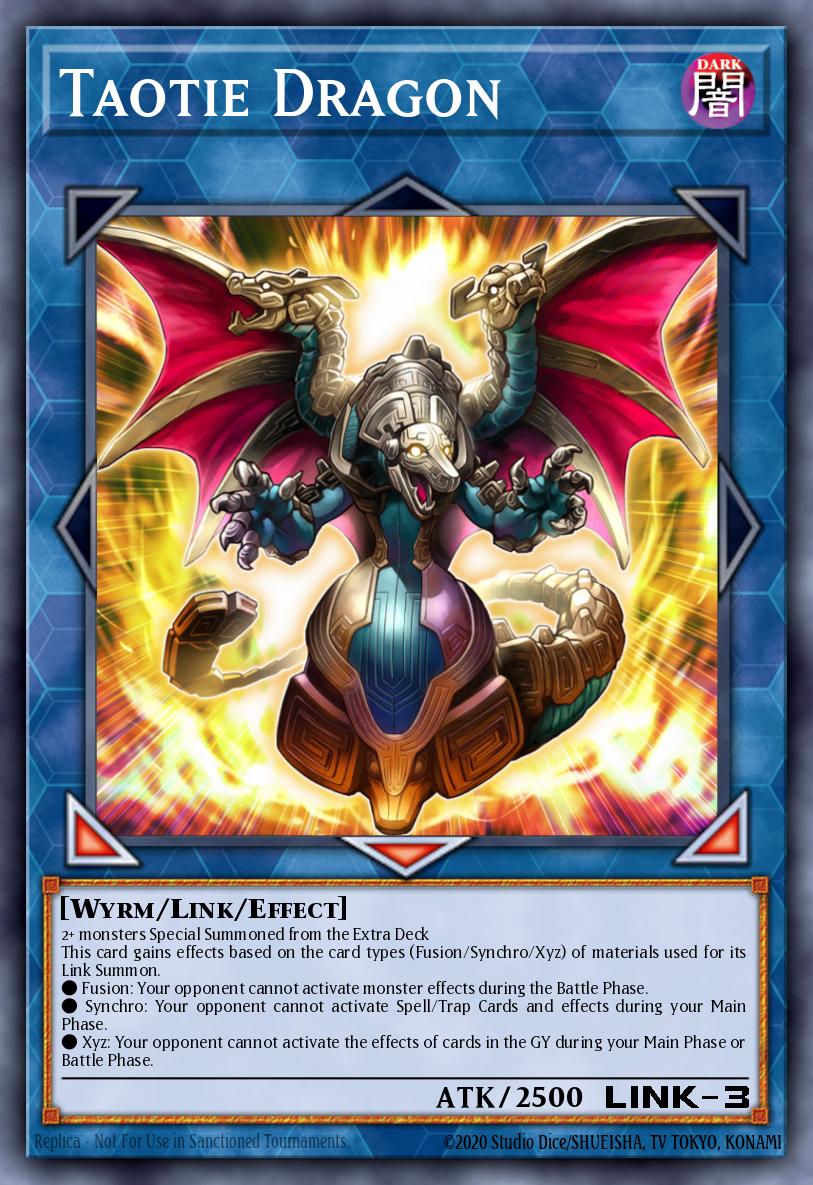
Taotie Dragon, when summoned by Link with a Fusion monster as the Link Material, will prevent your opponent from activating any monster effects during the Battle Phase. This is a great tool against Shaddoll and Ghostrick decks when they were meta, as those decks relied on the Flip effect of the monster after being crushed in battle. It also has a niche in the mirror match, where it can negate your opponent's Predaplant Sarraceniant . If monster effects activating during the Battle Phase become popular again, this card could make a comeback.
How to play
Go First
Go after
There's no surefire combo for going second. Instead, the Predaplant tool is very flexible in disrupting the enemy's board, and what you do depends a lot on the matchup and any positions your opponent has set up.
A common mistake people make when learning this deck is to auto-pilot and go for Predaplant Drosophyllum Hydra without thinking about going after. But unless your opponent has a negate Spell that threatens your Polymerization , it might be more beneficial to use the ability to go for Predaplant Byblisp first, then go for Hydra later through Byblisp's effect. Doing this can help you get an extra body by reviving Byblisp through its graveyard effect, making Link easier to play.
Since there are no specific instructions for going 2nd, here are some general tips on how to use each tool on the field to destroy the enemy field:
Predaplant Drosophyllum Hydra : You'll often want to use your ability to put a Predator counter on your opponent's most threatening monster on the field and remove it with Hydra (after resolving Byblisp ideally and taking it as an additional body). This is your strongest form of removal, as your opponent can't react to Hydra. Hydra's "Kaiju"-like special summon also avoids many of the boss monster's normal protection effects and post-field effects, such as protecting the target and special summoning another monster when sent to the grave via card effect.
Predaplant Chlamydosundew , Predaplant Ambulomelides , and Predaplant Chimerafflesia : These are the three secondary destroyers after Hydra. Each has its own perks. Chlamydosundew's effect is non-targeted, but it's the hardest to reach because it's a Main Deck monster and requires a normal summon. If you end up using a normal summon for Predaplant Ophrys Scorpio (to play Link), you may want to consider looking for Predapractice to get Chlamydosundew onto the field (or find a way to send Chlamydosundew to the graveyard, then revive it with Predapruning ). Meanwhile, Ambulomelides and Chimerafflesia are more accessible, but they do target, so they can be stopped by an opposing Sauravis, Ancient, and Ascended . Chimerafflesia can also only banish Level monsters, so it can't deal with Xyz or Link monsters.
Knightmare Phoenix and Knightmare Unicorn : These two cards help push through your opponent's spell/trap cards just like any other deck. Unicorn can also help push through an opponent's face-down monster. Just be careful about the resources you spend creating these Link monsters and discarding them for their effects. If you don't have good discard cards, like Predaplanet , creating these two can be more expensive than just trying to push back with Predaplant monsters. The graveyard effects of Scorpio and Byblisp can help get the bodies needed for Link plays.
Underworld Goddess of the Closed World : Think of the Goddess as your second Hydra. If you keep the Phoenix after summoning it, you can often use it to summon the Goddess later, removing one of your opponent's threats in the process. The Goddess's ability to negate graves can also put your opponent in a "dead end" position depending on the matchup. For example, if you remove Lyrilusc - Assembled Nightingale with the Goddess in a Lyrilusc duel, you can potentially win the duel even though you can't inflict a death that turn. This is because the Goddess will be able to negate any attempts the Lyrilusc player makes when it's their turn to revive the Assembled Nightingale.
Predaplanet : If you can send this card to the Graveyard, you will be able to evade any type of targeted effect on your Predaplant monsters by quickly summoning a Fusion effect with them. This card also allows you to summon a Fusion during the Battle Phase when pushing to end the game
Predaplast and Predaplant Squid Drosera : These cards are extremely useful in scattering Predator counter cards to activate all the previously mentioned Predaplant cards. Predaplast and Drosera are especially useful after you have removed a monster with Hydra and need to put another Predator counter card on the field.
Conclusion
One thing to keep in mind when playing Predaplant is that you don’t always have to kill your opponent when you go first or OTK your opponent when you go second. Predaplant is essentially a midrange deck, not an OTK deck, so it can be very strong in longer games. For example, you can’t kill your opponent after breaking their field, as long as you set up enough defenses and follow through to get to the next turn. Simply outlasting your opponent with all your extra resources is another way to win a duel.
Hope you enjoyed this guide and it inspires you to pick up a deck yourself if you haven't already! Have fun playing Yuri !
duel-links
978
5
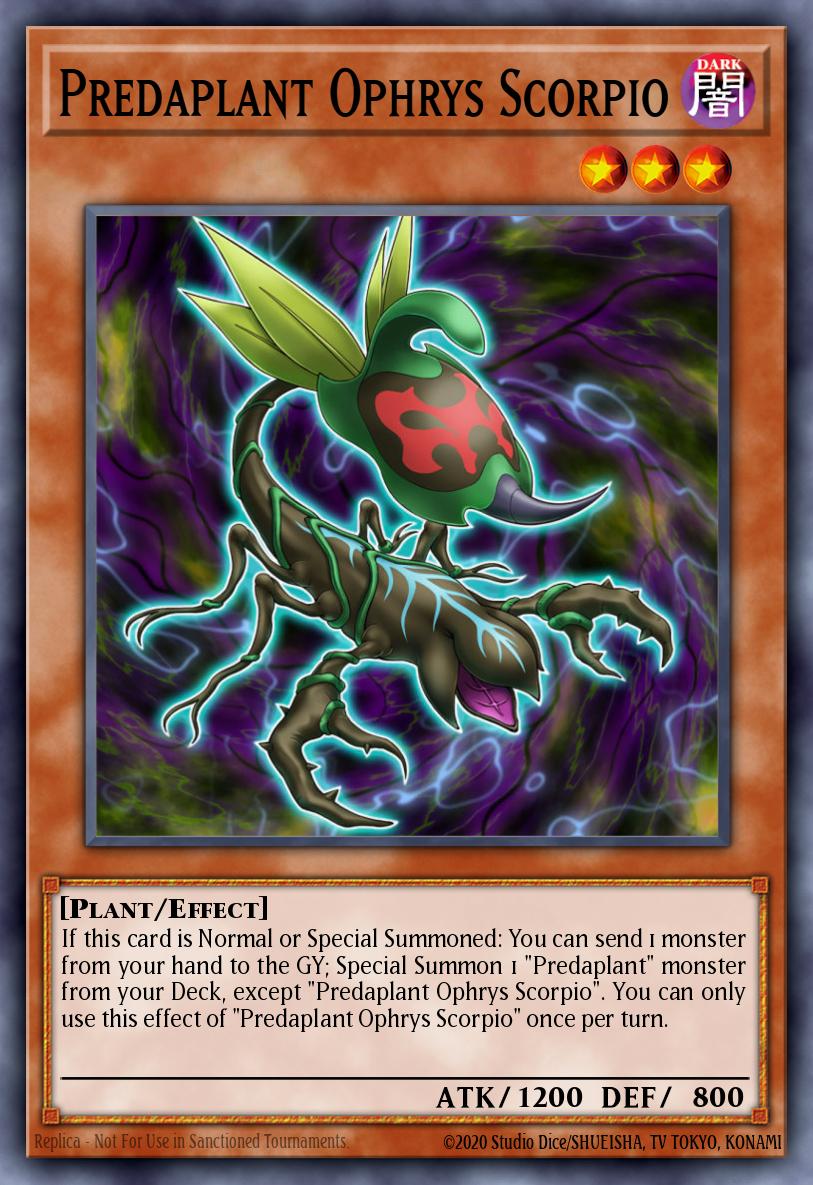
 DARK
DARK 3
3Predaplant Ophrys Scorpio
ATK:
1200
DEF:
800
If this card is Normal or Special Summoned: You can send 1 monster from your hand to the GY; Special Summon 1 "Predaplant" monster from your Deck, except "Predaplant Ophrys Scorpio". You can only use this effect of "Predaplant Ophrys Scorpio" once per turn.
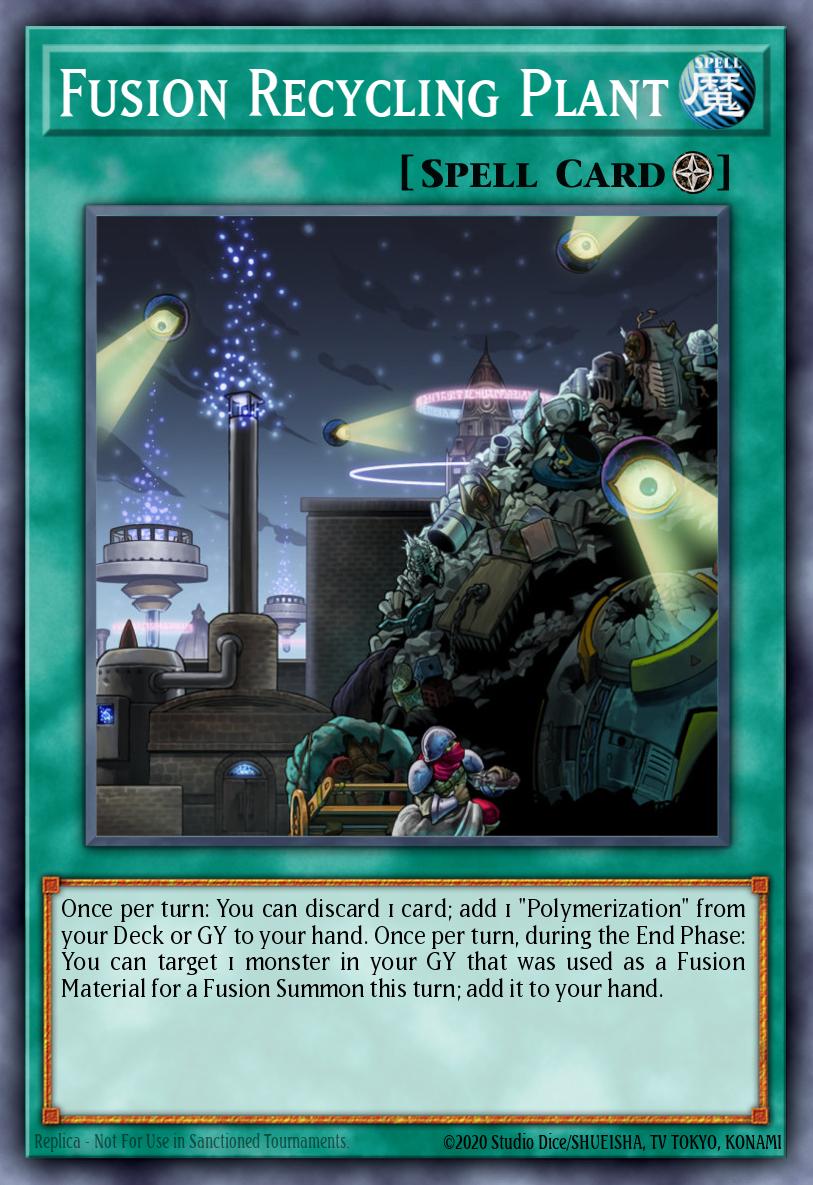
 Spell
Spell Field
FieldFusion Recycling Plant
Once per turn: You can discard 1 card; add 1 "Polymerization" from your Deck or GY to your hand. Once per turn, during the End Phase: You can target 1 monster in your GY that was used as a Fusion Material for a Fusion Summon this turn; add it to your hand.
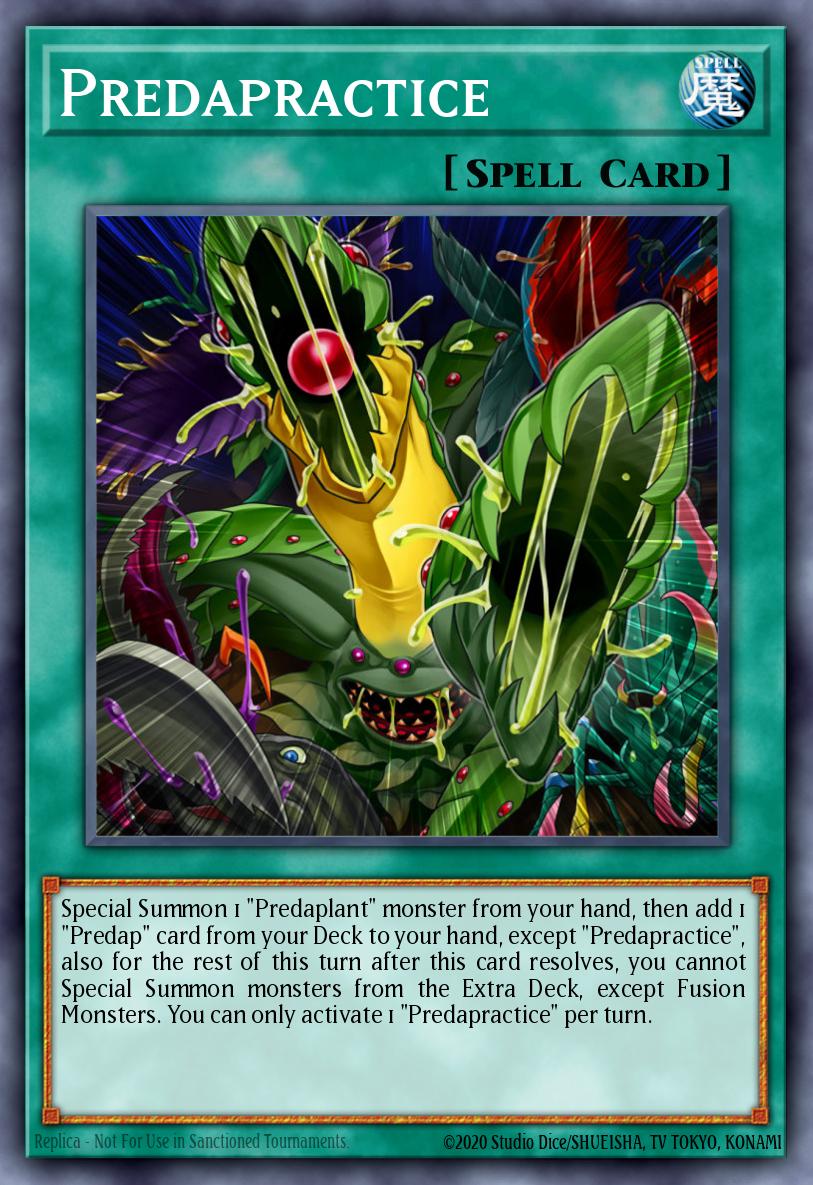 Spell
Spell Normal
Predapractice
Special Summon 1 "Predaplant" monster from your hand, then add 1 "Predap" card from your Deck to your hand, except "Predapractice", also for the rest of this turn after this card resolves, you cannot Special Summon monsters from the Extra Deck, except Fusion Monsters. You can only activate 1 "Predapractice" per turn.
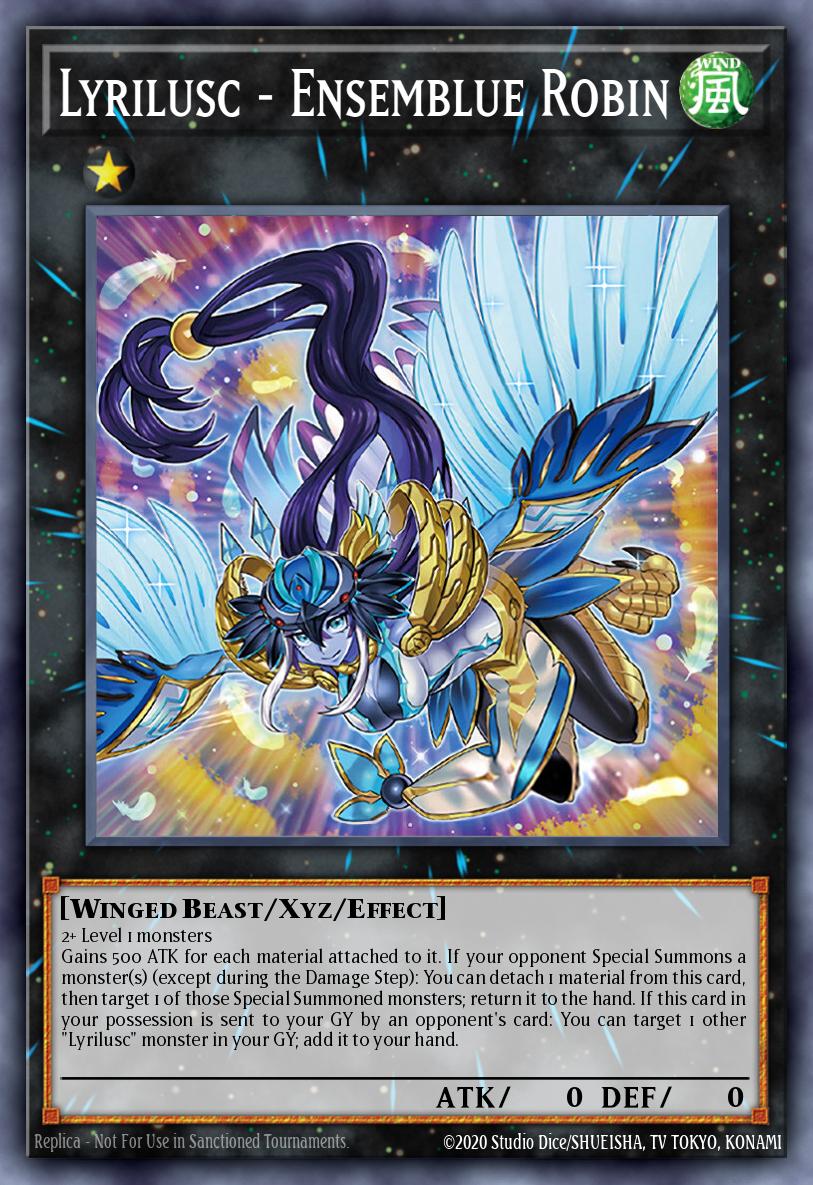
 WIND
WIND
Lyrilusc - Ensemblue Robin
ATK:
0
DEF:
0
2+ Level 1 monsters Gains 500 ATK for each material attached to it. If your opponent Special Summons a monster(s) (except during the Damage Step): You can detach 1 material from this card, then target 1 of those Special Summoned monsters; return it to the hand. If this card in your possession is sent to your GY by an opponent's card: You can target 1 other "Lyrilusc" monster in your GY; add it to your hand.
 DARK
8
DARK
8Predaplant Heliamphorhynchus
ATK:
1200
DEF:
2400
If your opponent controls a monster with a Predator Counter: You can Special Summon this card from your hand. If this card in its owner's possession is destroyed by your opponent's card: You can target 1 DARK Dragon or 1 DARK Plant monster in your GY, except "Predaplant Heliamphorhynchus"; Special Summon it. You can only use each effect of "Predaplant Heliamphorhynchus" once per turn.
 WIND
WINDLyrilusc - Recital Starling
ATK:
0
DEF:
0
2+ Level 1 monsters If this card is Xyz Summoned: You can target 1 face-up monster on the field; it gains 300 ATK/DEF for each material attached to this card. Once per turn: You can detach 1 material from this card; add 1 Level 1 Winged Beast monster from your Deck to your hand. All battle damage you take from battles involving this Xyz Summoned card is also inflicted to your opponent.
 DARK
2
DARK
2Predaplant Squid Drosera
ATK:
800
DEF:
400
You can send this card from your hand to the Graveyard, then target 1 face-up monster you control; this turn, it can attack all monsters your opponent controls with a Predator Counter, once each. If this face-up card leaves the field: Place 1 Predator Counter on each Special Summoned monster your opponent controls, and if you do, any of those monsters that are Level 2 or higher become Level 1 as long as they have a Predator Counter.
 Spell
Normal
Spell
NormalFusion Substitute
(This card's name is always treated as "Polymerization".) Fusion Summon 1 Fusion Monster from your Extra Deck, using monsters you control as Fusion Material. You can banish this card from your GY, then target 1 Fusion Monster in your GY; return it to the Extra Deck, then draw 1 card.
 DARK
5
DARK
5Predaplant Drosophyllum Hydra
ATK:
800
DEF:
2300
You can Special Summon this card (from your hand or GY) by Tributing 1 monster on either player's field with a Predator Counter. You can only Special Summon "Predaplant Drosophyllum Hydra" once per turn this way. If this card is on the field or in your GY (Quick Effect): You can banish 1 other "Predaplant" monster from your GY, then target 1 face-up monster on the field; it loses 500 ATK. You can only use this effect of "Predaplant Drosophyllum Hydra" once per turn.
 Trap
Trap Continuous
Predaplanet
If a monster with a Predator Counter leaves the field while this card is face-up on the field: Add 1 "Predap" card from your Deck to your hand. You can only use this effect of "Predaplanet" once per turn. You can banish this card from your Graveyard; Fusion Summon 1 Fusion Monster from your Extra Deck, using monsters from your hand or field as Fusion Materials. Only "Predaplant" monsters can be used as Fusion Materials for a Fusion Summon using this effect.
 WATER
WATERFull Armored Utopic Ray Lancer
ATK:
2500
DEF:
600
3 Level 4 monsters Once per turn, you can also Xyz Summon "Full Armored Utopic Ray Lancer" by discarding 1 Spell/Trap and using 1 Rank 4 or lower Xyz Monster you control. (Transfer its materials to this card.) Monsters your opponent controls lose 500 ATK. At the start of the Battle Phase: You can negate the effects of all Attack Position monsters your opponent currently controls. When this attacking card destroys an opponent's monster by battle: You can detach 1 material from this card; it can make a second attack in a row.
 DARK
DARKKnightmare Unicorn
ATK:
2200
LINK-3
Link Arrow:
 Left
Left
 Right
Right
 Bottom
2+ monsters with different names If this card is Link Summoned: You can discard 1 card, then target 1 card on the field; shuffle it into the Deck, then, if this card was co-linked when this effect was activated, you can draw 1 card. You can only use this effect of "Knightmare Unicorn" once per turn. While any co-linked "Knightmare" monsters are on the field, for your normal draw in your Draw Phase, draw 1 card for each different card name among those co-linked "Knightmare" monsters, instead of drawing just 1 card.
 Spell
Spell Equip
EquipPredapruning
Activate this card by targeting 1 "Predaplant" monster in your Graveyard; Special Summon it and equip it with this card. When this card leaves the field, destroy that monster.
 LIGHT
LIGHTUnderworld Goddess of the Closed World
ATK:
3000
LINK-5
Link Arrow:
 Top
Top
 Top-Right
Right
Bottom
 Bottom-Right
4+ Effect Monsters You can also use 1 monster your opponent controls as material to Link Summon this card. If this card is Link Summoned: You can negate the effects of all face-up monsters your opponent currently controls. This Link Summoned card is unaffected by your opponent's activated effects, unless they target this card. Once per turn, when your opponent activates a card or effect that Special Summons a monster(s) from the GY (Quick Effect): You can negate the activation.
 DARK
3
DARK
3Predaplant Darlingtonia Cobra
ATK:
1000
DEF:
1500
If this card is Special Summoned by the effect of a "Predaplant" monster: You can add 1 "Polymerization" Spell Card or "Fusion" Spell Card from your Deck to your hand. You can only use this effect of "Predaplant Darlingtonia Cobra" once per Duel.
 DARK
8
DARK
8Starving Venom Fusion Dragon
ATK:
2800
DEF:
2000
2 DARK monsters on the field, except Tokens If this card is Fusion Summoned: You can make this card gain ATK equal to 1 opponent's Special Summoned monster, until the end of this turn. Once per turn: You can target 1 Level 5 or higher monster your opponent controls; until the End Phase, this card's name becomes that monster's original name, and replace this effect with that monster's original effects. If this Fusion Summoned card is destroyed: You can destroy all your opponent's Special Summoned monsters.
 DARK
1
DARK
1Predaplant Sarraceniant
ATK:
100
DEF:
600
When an opponent's monster declares a direct attack: You can Special Summon this card from your hand. After damage calculation, if this card battled an opponent's monster: You can destroy that opponent's monster. If this card is destroyed by battle, or if this card on the field is sent to the Graveyard by a card effect: You can add 1 "Predap" card from your Deck to your hand, except "Predaplant Sarraceniant". You can only use this effect of "Predaplant Sarraceniant" once per turn.
 DARK
2
DARK
2Predaplant Chlamydosundew
ATK:
600
DEF:
200
Monsters with a Predator Counter that you use as Fusion Materials are treated as DARK. During your Main Phase: You can Fusion Summon 1 DARK Fusion Monster from your Extra Deck, using this card on the field and monsters from your hand, field, and/or monsters with a Predator Counter your opponent controls as Fusion Materials. You can only use this effect of "Predaplant Chlamydosundew" once per turn.
 DARK
DARKTaotie Dragon
ATK:
2500
LINK-3
Link Arrow:
 Bottom-Left
Bottom
Bottom-Right
2+ monsters Special Summoned from the Extra Deck This card gains effects based on the card types (Fusion/Synchro/Xyz) of materials used for its Link Summon. ● Fusion: Your opponent cannot activate monster effects during the Battle Phase. ● Synchro: Your opponent cannot activate Spell/Trap Cards and effects during your Main Phase. ● Xyz: Your opponent cannot activate the effects of cards in the GY during your Main Phase or Battle Phase.
 DARK
8
DARK
8Predaplant Dragostapelia
ATK:
2700
DEF:
1900
1 Fusion Monster + 1 DARK monster Once per turn (Quick Effect): You can target 1 face-up monster your opponent controls; place 1 Predator Counter on it, and if it is Level 2 or higher, it becomes Level 1 as long as it has a Predator Counter. Negate the activated effects of your opponent's monsters that have Predator Counters.
 Spell
Continuous
Spell
ContinuousPredaponics
Once per turn: You can Special Summon 1 Level 4 or lower "Predaplant" monster from your hand or GY, but negate its effects (even if this card leaves the field). Once per turn, during your Standby Phase, pay 800 LP or destroy this card.
 DARK
5
DARK
5Predaplant Ambulomelides
ATK:
1000
DEF:
2500
2 "Predaplant" monsters If this card is Fusion Summoned: You can add 1 "Predaplant" monster or 1 "Predap" Spell/Trap from your Deck, GY, or face-up Extra Deck to your hand. You can target 1 monster your opponent controls with a Predator Counter or 1 monster you control; Tribute it, and if you do, Special Summon 1 "Predaplant" monster from your Deck. You can only use each effect of "Predaplant Ambulomelides" once per turn.
 DARK
7
DARK
7Predaplant Chimerafflesia
ATK:
2500
DEF:
2000
1 "Predaplant" monster + 1 DARK monster Once per turn: You can target 1 monster on the field with a Level less than or equal to this card's; banish it. When an attack is declared involving this card and an opponent's face-up monster: You can activate this effect; until the end of this turn, that opponent's monster loses 1000 ATK, and if it does, this card gains 1000 ATK. Once per turn, during the next Standby Phase after this card was sent to the Graveyard: You can add 1 "Polymerization" Spell Card or "Fusion" Spell Card from your Deck to your hand.
 Spell
Normal
Spell
NormalFusion Recovery
Target 1 "Polymerization" in your GY, and 1 monster in your GY that was used as material for a Fusion Summon; add them to your hand.
 DARK
1
DARK
1Predaplant Byblisp
ATK:
0
DEF:
1900
If this card is sent to the GY: You can add 1 "Predaplant" monster from your Deck to your hand, except "Predaplant Byblisp". If a monster with a Predator Counter is on the field: You can Special Summon this card from your GY, but banish it when it leaves the field. You can only use each effect of "Predaplant Byblisp" once per turn.
 DARK
DARKI:P Masquerena
ATK:
800
LINK-2
Link Arrow:
Bottom-Left
Bottom-Right
2 non-Link Monsters During your opponent's Main Phase, you can (Quick Effect): Immediately after this effect resolves, Link Summon 1 Link Monster using materials you control, including this card. You can only use this effect of "I:P Masquerena" once per turn. A Link Monster that used this card as material cannot be destroyed by your opponent's card effects.
 Spell
Spell Quick
QuickPredaplast
Reveal any number of "Predap" cards in your hand, then target that number of face-up monsters your opponent controls; place 1 Predator Counter on each one, and if you do, any of those monsters that are Level 2 or higher become Level 1 as long as they have a Predator Counter. If your "Predaplant" monster would be destroyed by battle, you can banish this card from your GY instead.
 FIRE
FIREKnightmare Phoenix
ATK:
1900
LINK-2
Link Arrow:
Top
Right
2 monsters with different names If this card is Link Summoned: You can discard 1 card, then target 1 Spell/Trap your opponent controls; destroy it, then, if this card was co-linked when this effect was activated, you can draw 1 card. You can only use this effect of "Knightmare Phoenix" once per turn. Co-linked monsters you control cannot be destroyed by battle.
 Spell
Normal
Spell
NormalPolymerization
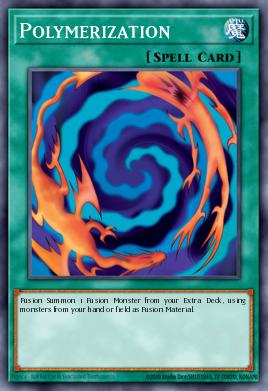
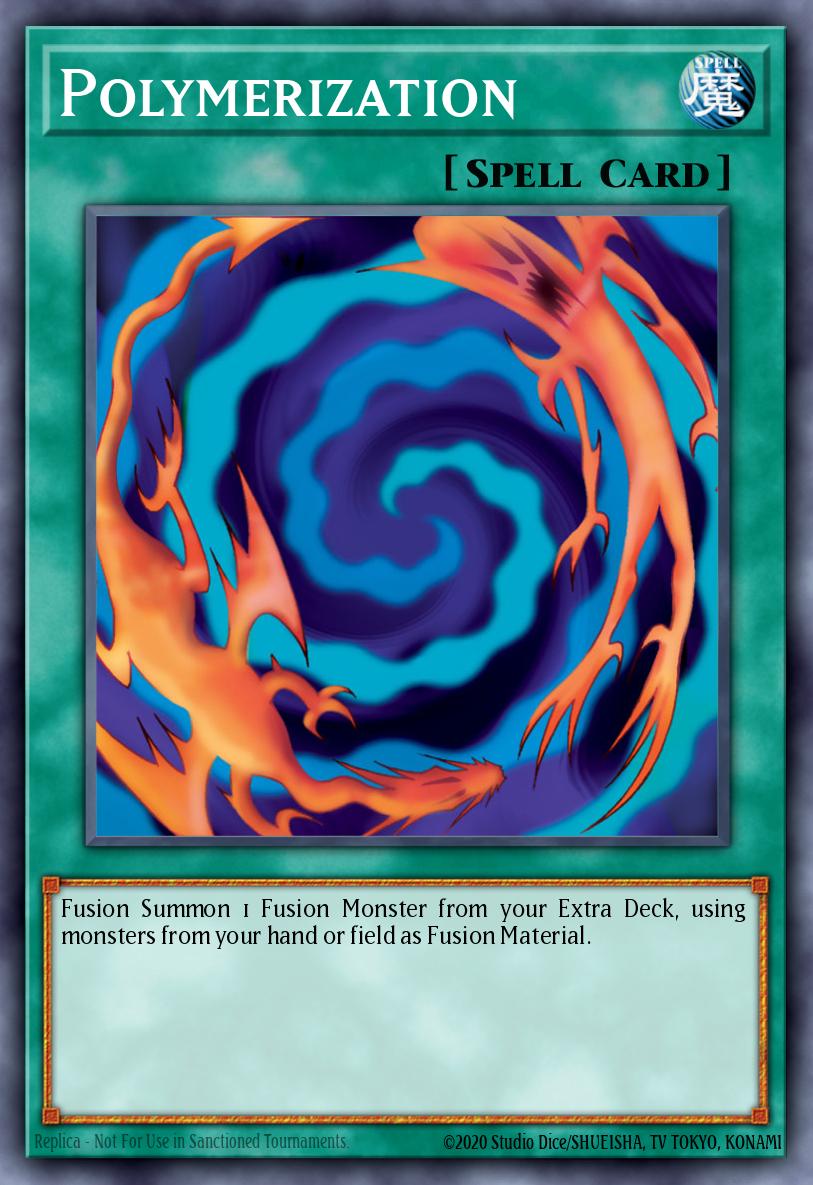
Fusion Summon 1 Fusion Monster from your Extra Deck, using monsters from your hand or field as Fusion Material.
 DARK
4
DARK
4Predaplant Spinodionaea
ATK:
1800
DEF:
0
If this card is Normal or Special Summoned: You can target 1 face-up monster your opponent controls; place 1 Predator Counter on it, and if it is Level 2 or higher, it becomes Level 1 as long as it has a Predator Counter. After damage calculation, if this card battled a monster with an equal or lower Level: You can Special Summon 1 "Predaplant" monster from your Deck, except "Predaplant Spinodionaea".
Menu
https://metaduelist.com/