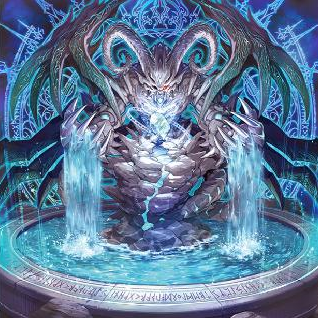
Runick Deck #736281 — Yu-Gi-Oh! Master Duel
40 Main, 15 Extra, incl. Ash Blossom & Joyous Spring x3, Forbidden Droplet x3, Runick Flashing Fire x3.
Created by: YGO Mod (20517634)
Created On: 07/26/2026
Main Deck (40)
- Capshell x1
- Droll & Lock Bird x2
- Ipiria x2
- Maxx "C" x1
- Spright Blue x2
- Spright Carrot x1
- Spright Jet x2
- Spright Red x1
- Ash Blossom & Joyous Spring x3
- Called by the Grave x1
- Crossout Designator x1
- Forbidden Droplet x3
- Runick Destruction x1
- Runick Dispelling x1
- Runick Flashing Fire x3
- Runick Fountain x1
- Runick Freezing Curses x2
- Runick Golden Droplet x1
- Runick Slumber x2
- Runick Smiting Storm x1
- Runick Tip x2
- Spright Smashers x1
- Spright Starter x2
- The Fallen & The Virtuous x3
Extra Deck (15)
Couldn't load the deck
Deck — Deck Power Evaluation
Final Contextual Deck Power: 68/100 (±5 · Confidence: Medium)
| Overall score | Value |
|---|---|
| Structural Deck Power | 69.15 |
| Going First | 60 |
| Going Second | 75 |
| Meta Power | provisional |
| Tournament Reliability | 63 |
- Primary strategy: Combo
- Secondary strategies: Midrange
- Format: master-duel
Legality
Main 40 / Extra 15 / Side 0 — status: Legal.
Identity & game plan
- Win condition: Runick Extra‑Deck monster board combined with Spright swarm; Hand‑trap disruption and board control
- Turn 1 (going first): Open with a Runick Quick‑Play spell (e.g., Flashing Fire) to summon a Runick monster, then use Spright Starter to establish Level‑2 monsters and set up hand traps.
- Turn 2 (going second): Activate Runick Fountain to play Runick spells on opponent’s turn, drop board‑breakers and lock the opponent with hand traps.
- Recovery: Use Capshell, Ipiria and remaining Runick spells to draw into new starters and rebuild the board after disruption.
- After siding: No side deck; rely on remaining hand traps and draw effects to adapt.
Why it scores here
The deck reliably opens with a Runick Quick‑Play spell thanks to an almost‑guaranteed core starter, then can extend with Spright monsters to create a versatile board. Hand traps and multiple independent starters give it good resilience to disruption, while Runick Fountain provides strong going‑second board‑breaking. Interaction density is high due to many negation and removal effects, but the lack of a side deck and reliance on battle‑phase‑skipping spells limit its closing power and error tolerance.
Dimension scores
| # | Dimension | Score | Evidence |
|---|---|---|---|
| D1 | Engine Accessibility & Consistency | 85 | P(at least one core Runick card in opening hand) ≈ 0.9988, ensuring a starter is almost always present (Inferred). |
| D2 | Opening-Hand Quality & Brick Management | 70 | Full‑brick probability is ~0.0012 and copy histogram shows balanced copies, so opening hands are rarely dead (Inferred). |
| D3 | Combo Conversion & Ceiling | 75 | Runick spells can each summon a monster from the Extra Deck and combine with Spright engine, giving a high ceiling of multiple board pieces (Inferred). |
| D4 | Combo Floor & Median Output | 55 | Without reliable combo data, typical games start with only a single Runick monster or Spright field, yielding moderate median output (Inferred). |
| D5 | Interruption Resilience & Route Redundancy | 70 | Multiple independent starters (Runick spells, Spright Starter) and 6 hand traps provide routes around disruption (Inferred). |
| D6 | Resource Economy, Recovery & Grind | 60 | Draw engines (Capshell, Ipiria, Runick Fountain) offset the battle‑phase skip cost of many spells, giving decent resource balance (Inferred). |
| D7 | End-Board & Interaction Quality | 75 | 12 cards carry negation text and 21 removal tags, creating a dense interaction layer on the board (Inferred). |
| D8 | Going-Second & Board-Breaking Power | 80 | Hand‑trap group probability 0.6496 and Runick Fountain lets you activate spells on opponent’s turn, making strong going‑second board breaking (Inferred). |
| D9 | Offensive Pressure & Closing Power | 60 | End‑board monsters have modest ATK (e.g., Gigantic Spright 1600) and rely on effects rather than raw damage (Inferred). |
| D10 | Main Deck Efficiency & Flexibility | 65 | 40‑card main deck with 24 distinct cards and 32.7% exact‑Runick purity spreads resources but includes many Spright and generic cards (Inferred). |
| D11 | Extra Deck Efficiency & Coverage | 70 | All 15 extra‑deck slots are filled with relevant Runick and Spright monsters, providing good coverage (Inferred). |
| D12 | Side Deck Adaptability | 30 | Side deck is empty, offering no post‑side adaptability (Inferred). |
| D13 | Matchup Coverage & Format Fit | 50 | No tournament data; archetype meta‑share unavailable, so matchup fit is provisional (Provisional). |
| D14 | Pilotability & Error Tolerance | 55 | Complex combo steps and many decision points lower error tolerance, though hand traps help mitigate mistakes (Inferred). |
How the score was computed
Strategy profile: Combo. Structural ≈ 69.15, Going First ≈ 60, Going Second ≈ 75, Meta = provisional, Tournament Reliability ≈ 63. Modifiers: No side deck (-4); High core starter probability (6). Final formula: 0.80*Structural + 0.20*TournamentReliability (Meta provisional)
Probability & combo summary
- Opening a starter: P(≥1) ≈ 1 · key two-card combo ≈ — · full-brick estimate ≈ 0 (all Inferred)
- Combo output: best PowerIndex —, median —, board-per-starter —
- Turn order: 0 going-first lines vs 0 going-second lines
Strengths
- Very high engine accessibility
- Strong going‑second tools via Runick Fountain
- Dense interaction layer with many negation/removal effects
Weaknesses
- No side deck limits adaptability
- Reliance on battle‑phase‑skipping spells reduces aggression
- Lack of clear win‑condition beyond board control
Critical choke points
- If no Runick Quick‑Play spell is drawn early, board development stalls
- Running out of draw resources can leave the deck unable to recover
Recommended changes
| Priority | Remove | Add | Reason |
|---|---|---|---|
| 1 | Evenly Matched | Provides a flexible board‑breaker for going‑first scenarios and adds extra resilience |
Evidence & confidence
- Verified: Legality status Legal; All card copy counts respect banlist limits; Main deck size 40 and extra deck size 15 within format caps
- Inferred: Core starter probability 0.9988; Brick estimate 0.0012; Multiple independent starters and hand traps give resilience; Draw engines offset battle‑phase skip cost; Negation and removal tag counts indicate interaction density; Hand‑trap group probability 0.6496 and Runick Fountain enable strong going‑second; End‑board ATK values moderate; Main deck composition and purity spread; Extra deck slot usage; Complex combo steps lower pilotability
- Provisional: Matchup and meta fit lack tournament data
- Data gaps: no combos supplied — combo floor/median/ceiling is text-only inference no tournament link — archetype meta-share and per-pilot match record absent no win-rate telemetry exists in YGOVN (going-first/second, matchup, game-level, brick/starter/OTK rates) — those signals are Inferred or Unknown Meta Power is Provisional unless a dated metagame sample is supplied
Couldn't load the combos