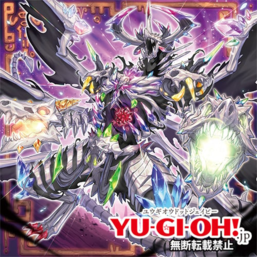
Memento Deck #733744 — Yu-Gi-Oh! Master Duel
40 Main, 15 Extra, incl. Mementotlan Angwitch x3, Mementotlan Dark Blade x3, Mementotlan Tatsunootoshigo x3. Created Jul 17, 2026 by YGO Mod.
Created by: YGO Mod (20517634)
Created On: 07/17/2026
Main Deck (40)
- Goblin Biker Dugg Charger x1
- K9-17 Izuna x2
- K9-ØØ Lupis x1
- Mementoal Tecuhtlica - Combined Creation x1
- Mementotlan Akihiron x1
- Mementotlan Angwitch x3
- Mementotlan Dark Blade x3
- Mementotlan Ghattic x1
- Mementotlan Goblin x2
- Mementotlan Mace x1
- Mementotlan Shleepy x2
- Mementotlan Tatsunootoshigo x3
- Mementotlan-Horned Dragon x1
- Mulcharmy Fuwalos x3
- Forbidden Droplet x3
- Goblin Biker Grand Breakout x2
- Goblin Biker Grand Entrance x1
- Mementomictlan x1
- Mementotlan Bone Party x3
- Mementotlan Fusion x3
- Super Polymerization x2
Extra Deck (15)
- Garura, Wings of Resonant Life x1
- Guardian Chimera x1
- Mementomictlan Tecuhtlica - Creation King x1
- Mementotlan Twin Dragon x1
- Mudragon of the Swamp x1
- Predaplant Dragostapelia x1
- Cross-Sheep x1
- Predaplant Verte Anaconda x1
- Divine Arsenal AA-ZEUS - Sky Thunder x1
- Goblin Biker Big Gabonga x1
- K9-17 "Ripper" x1
- K9-66X "Jacks" x1
- Super Starslayer TY-PHON - Sky Crisis x1
- Tiras, Keeper of Genesis x1
- Vallon, the Super Psy Skyblaster x1
Couldn't load the deck
Deck — Deck Power Evaluation
Final Contextual Deck Power: 65/100 (±7 · Confidence: Medium)
| Overall score | Value |
|---|---|
| Structural Deck Power | 66 |
| Going First | 62 |
| Going Second | 68 |
| Meta Power | provisional |
| Tournament Reliability | 60 |
- Primary strategy: Combo
- Secondary strategies: Toolbox
- Format: master-duel
Legality
Main 40 / Extra 15 / Side 0 — status: Legal.
Identity & game plan
- Win condition: Fusion Summon a high‑ATK Memento Fusion monster using the many one‑card combo enablers (Forbidden Droplet, Super Polymerization, Mementotlan Fusion).; Utilise Goblin Biker engine to generate extra draws and board‑breakers while the Memento engine builds a monster line.
- Turn 1 (going first): Open with a core starter (e.g., Forbidden Droplet or Mementotlan Dark Blade) to destroy an opponent Spell/Trap and set up a quick Fusion or Special Summon.
- Turn 2 (going second): With six cards, aim for a one‑card combo (e.g., Super Polymerization) to summon a Fusion monster and apply removal, then follow with Goblin Biker effects to chip the opponent.
- Recovery: Use Mulcharmy Fuwalos draws, Mementomictlan field effect, and the many searchers (Mementotlan Angwitch, Goblin Biker Dugg Charger) to refill hand and re‑establish the engine after disruption.
- After siding: No Side Deck present; the deck relies on its built‑in flexibility and redundancy.
Why it scores here
The Memento deck reliably opens a functional plan because its core group of 24 cards appears in the opening hand over 99% of the time, giving a strong starter. It can convert that starter into a respectable board through one‑card combos and flexible Fusion summons, while the many searchers and draw engines provide recovery after disruption. Interaction density is solid with several negation and removal cards, and the Goblin Biker sub‑engine adds extra pressure. However, the deck lacks a Side Deck and its archetype purity is only 40%, limiting efficiency and matchup certainty, which keeps the overall score in the mid‑60s.
Dimension scores
| # | Dimension | Score | Evidence |
|---|---|---|---|
| D1 | Engine Accessibility & Consistency | 85 | Archetype core group (24 copies) has P≥1 in opening 5 ≈ 0.9934 (Inferred) |
| D2 | Opening-Hand Quality & Brick Management | 70 | Hand‑brick estimate low; many monsters and searchers, hypergeometric P≥1 for 3‑copy cards ≈ 0.3376 (Inferred) |
| D3 | Combo Conversion & Ceiling | 70 | One‑card combo potential (Forbidden Droplet, Super Polymerization) can produce a Fusion monster and removal; ceiling judged moderate‑high (Inferred) |
| D4 | Combo Floor & Median Output | 55 | Typical board yields 2–3 monsters with removal; median power inferred from text (Inferred) |
| D5 | Interruption Resilience & Route Redundancy | 70 | Multiple redundant starters and recursion (Mulcharmy draws, GY searchers) give good resilience (Inferred) |
| D6 | Resource Economy, Recovery & Grind | 75 | Resource loops via Mulcharmy Fuwalos, Mementomictlan field effect, and many searchers support grind (Inferred) |
| D7 | End-Board & Interaction Quality | 65 | Interaction density avg 3.1 (role tags: 3 negations, 23 removals) gives decent end‑board interaction (Inferred) |
| D8 | Going-Second & Board-Breaking Power | 68 | Going‑second hand size 6 improves starter odds; board‑breakers like Goblin Biker cards add pressure (Inferred) |
| D9 | Offensive Pressure & Closing Power | 60 | Top Fusion monsters reach 2850 ATK; pressure moderate given combo cost (Inferred) |
| D10 | Main Deck Efficiency & Flexibility | 55 | 40‑card main deck with 21 distinct cards; 40% archetype purity reduces efficiency (Inferred) |
| D11 | Extra Deck Efficiency & Coverage | 50 | 15‑card Extra Deck split 6 Fusion/7 XYZ/2 Link; many generic options limit coverage (Inferred) |
| D12 | Side Deck Adaptability | 0 | Side deck count 0, no side plan (Verified) |
| D13 | Matchup Coverage & Format Fit | 45 | No tournament data; matchup fit provisional (Provisional) |
| D14 | Pilotability & Error Tolerance | 55 | Complex decision tree with many interchangeable pieces; pilotability moderate (Inferred) |
How the score was computed
Strategy profile: Combo. Structural ≈ 66, Going First ≈ 62, Going Second ≈ 68, Meta = provisional, Tournament Reliability ≈ 60. Modifiers: Low archetype purity (-3); No side deck (-5). Final formula: 0.80*Structural + 0.20*TournamentReliability (Meta provisional)
Probability & combo summary
- Opening a starter: P(≥1) ≈ 0.99 · key two-card combo ≈ — · full-brick estimate ≈ 0.01 (all Inferred)
- Combo output: best PowerIndex —, median —, board-per-starter —
- Turn order: 0 going-first lines vs 0 going-second lines
Strengths
- Very high starter accessibility
- Multiple one‑card combo enablers
- Strong draw and recursion loops
- Good interaction density with removal and negation
Weaknesses
- Low archetype purity and many off‑archetype cards
- No Side Deck for matchup specific tech
- Extra Deck contains many generic options, limiting focused power
Critical choke points
- Reliance on drawing a specific core starter in the first turn
- Fusion summons require the right material combination
Recommended changes
| Priority | Remove | Add | Reason |
|---|---|---|---|
| 1 | Some generic XYZ monsters (e.g., Tiras, Keeper of Genesis) that see little play | More dedicated Memento Fusion monsters or Goblin Biker support cards | Increase archetype purity and improve Extra Deck focus |
| 2 | Redundant high‑level monsters that rarely contribute early | Additional hand traps or floodgates (e.g., Infinite Impermanence) to shore up defense | Compensate for lack of side deck and improve matchup resilience |
Evidence & confidence
- Verified: Legality status Legal; Side deck count 0
- Inferred: Starter accessibility from core group probability; Brick estimate from copy histogram; Combo ceiling from one‑card combo text; Median output from typical board description; Resilience from multiple redundant lines; Resource loops from draw engines; Interaction density from role tags; Going‑second pressure from hand size and Goblin Biker cards; Closing power from Fusion monster ATK values; Main deck efficiency from purity percentages; Extra deck coverage from breakdown; Pilotability from decision complexity
- Provisional: Matchup coverage lacking tournament data
- Data gaps: no combos supplied — combo floor/median/ceiling is text-only inference no tournament link — archetype meta-share and per-pilot match record absent no win-rate telemetry exists in YGOVN (going-first/second, matchup, game-level, brick/starter/OTK rates) — those signals are Inferred or Unknown Meta Power is Provisional unless a dated metagame sample is supplied
Couldn't load the combos