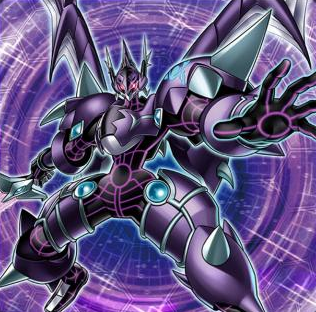
@Ignister Deck #632562 — Yu-Gi-Oh! Master Duel
40 Main, 15 Extra, incl. Mulcharmy Fuwalos x3, Pikari @Ignister x3, Cynet Mining x3. Created Jan 16, 2026 by YGO Mod.
Created by: YGO Mod (20517634)
Created On: 01/16/2026
Main Deck (40)
- Achichi @Ignister x1
- Danmari @Ignister x1
- Doshin @Ignister x2
- Doyon @Ignister x2
- Gatchiri @Ignister x1
- Hiyari @Ignister x1
- Mulcharmy Fuwalos x3
- Mulcharmy Purulia x2
- Nibiru, the Primal Being x2
- Pikari @Ignister x3
- Wizard @Ignister x1
- Backup @Ignister x2
- Bururu @Ignister x2
- Ghost Ogre & Snow Rabbit x1
- A.I. Connect x1
- A.I. Meet You x1
- A.I.dle Reborn x1
- Cynet Mining x3
- FA.I.ghting Spirit x1
- Harpie's Feather Duster x1
- Ignister A.I.Land x3
- Lightning Storm x1
- Pot of Desires x1
- Raigeki x1
- Red Reboot x2
Extra Deck (15)
Couldn't load the deck
Deck — Deck Power Evaluation
Final Contextual Deck Power: 58/100 (±6 · Confidence: Medium)
| Overall score | Value |
|---|---|
| Structural Deck Power | 62.8 |
| Going First | 62 |
| Going Second | 60 |
| Meta Power | provisional |
| Tournament Reliability | 58 |
- Primary strategy: Combo
- Secondary strategies: Toolbox, Stun
- Format: master-duel
Legality
Main 40 / Extra 15 / Side 0 — status: Legal.
Identity & game plan
- Win condition: Link Summon a 2300-ATK Cyberse Link monster (Allied Code Talker, Dark Templar, Fire Phoenix, Transcode Talker) off a chain of @Ignister starters, then attack through the opponent's board.; Light Dragon and Wind Pegasus @Ignister as 2300-ATK Xyz/Synchro boards that also destroy spells/traps or monsters.
- Turn 1 (going first): Open a @Ignister starter (Pikari, Doshin, Hiyari, Backup, Bururu), search or Special Summon a second Cyberse, and Link Summon into a 2300-ATK Link monster; keep Red Reboot for the opponent's first trap.
- Turn 2 (going second): Use Red Reboot, Ghost Ogre & Snow Rabbit, Nibiru and Danmari/Gatchiri to answer the opponent's first board, then rebuild through Doyon and Achichi recursion into a Link Summon.
- Recovery: Banish and recycle @Ignister monsters from the GY (Doyon, Achichi, Danmari, Wizard) and re-Special Summon them to restart the Link chain.
- After siding: Side deck is empty (0 cards), so there is no post-side plan; the deck cannot adapt between games.
Why it scores here
The deck's power comes from the system: a 0.74 chance of opening at least one @Ignister core card in a 5-card hand, 0.85 chance of at least one searcher, and a Link-heavy Extra Deck (13 Link monsters) that gives a high ceiling of 2300-ATK boards. Interaction is layered across Red Reboot, Ghost Ogre & Snow Rabbit, Gatchiri, Danmari and Light Dragon, which earns the endboard and going-second scores. The score is held back by 27 off-archetype copies (Mulcharmy, Greed, Harpie, Cyclone, Kuriboh; 51% exact-archetype purity), which add brick and engine-conflict risk, and by the absence of recorded boards, so median output is an inference. Popularity and the archetype's usage lists were not counted: the usage-statistics block lists cards from another archetype (Maliss/Firewall), so it does not confirm this list. Card scores were not averaged into the deck score.
Dimension scores
| # | Dimension | Score | Evidence |
|---|---|---|---|
| D1 | Engine Accessibility & Consistency | 66 | P(≥1 archetype core card in opening 5) ≈ 0.74; P(≥1 searcher) ≈ 0.85; 3-copy Cynet Mining and Pikari give consistent first-turn access (Inferred) |
| D2 | Opening-Hand Quality & Brick Management | 58 | Off-archetype copies (Mulcharmy x5, Greed, Harpie, Cyclone) and low-impact 100-ATK bodies raise brick risk; P(no core in hand 5) ≈ 0.26 (Inferred) |
| D3 | Combo Conversion & Ceiling | 70 | Ceiling from Link ladder to 2300-ATK Allied Code Talker, Dark Templar, Fire Phoenix and Transcode Talker; no recorded boards to confirm (Inferred semantic read) |
| D4 | Combo Floor & Median Output | 58 | No parseable boards, so median output is text-only inference; the 2-card bootstrap is common but not measured (Inferred) |
| D5 | Interruption Resilience & Route Redundancy | 60 | Five hand traps plus recursion via Doyon and Achichi give a second line after one disruption; no measured resilience data (Inferred) |
| D6 | Resource Economy, Recovery & Grind | 68 | Recursion and search loops (Doyon, Achichi, Danmari banish, Backup) regenerate resources across turns (Inferred from card text) |
| D7 | End-Board & Interaction Quality | 70 | Red Reboot, Gatchiri, Danmari, Light Dragon and Wind Pegasus cover spells, traps and monsters with negation and destruction text (Inferred semantic read) |
| D8 | Going-Second & Board-Breaking Power | 62 | Going-second hand-trap coverage P(≥1 in 6) ≈ 0.58, plus negation and destruction text to challenge an established board (Inferred) |
| D9 | Offensive Pressure & Closing Power | 70 | Multiple 2300-ATK Link, Xyz and Synchro monsters, with Fire Phoenix direct damage (Inferred from card text) |
| D10 | Main Deck Efficiency & Flexibility | 52 | 40 main with 25 distinct cards; 14 singletons; 27 off-archetype copies; purity 51% (Verified composition) |
| D11 | Extra Deck Efficiency & Coverage | 68 | 15 Extra slots filled with 13 Link monsters, 1 Xyz, 1 Synchro; covers Link 1–6 ladder (Verified composition) |
| D12 | Side Deck Adaptability | 35 | No side deck (0 cards) on a format allowing 0–15, so there is no post-side adaptability (Verified) |
| D13 | Matchup Coverage & Format Fit | 50 | No dated metagame sample and no tournament link; archetype share unavailable (Provisional) |
| D14 | Pilotability & Error Tolerance | 55 | Multi-step Link chains and recursion timing demand careful sequencing; no combo steps recorded to measure error tolerance (Inferred) |
How the score was computed
Strategy profile: Combo primary, Toolbox secondary, weights taken from the Combo profile (no blend applied). Structural ≈ 62.8, Going First ≈ 62, Going Second ≈ 60, Meta = provisional, Tournament Reliability ≈ 58. Modifiers: Engine conflicts / off-archetype load (-3); Banlist exposure (-1). Final formula: 0.80*Structural + 0.20*TournamentReliability + ContextModifiers (Meta provisional)
Probability & combo summary
- Opening a starter: P(≥1) ≈ 0.74 · key two-card combo ≈ — · full-brick estimate ≈ — (all Inferred)
- Combo output: best PowerIndex —, median —, board-per-starter —
- Turn order: 0 going-first lines vs 0 going-second lines
Strengths
- Consistent engine access: 0.74 for a core card and 0.85 for a searcher in the opening hand
- High-ceiling Link ladder to 2300-ATK boards from a Link-heavy Extra Deck
- Layered interaction across hand traps, negation and destruction
Weaknesses
- 27 off-archetype copies create brick and engine-conflict risk
- Low-impact 100-ATK Mulcharmy bodies in hand
- No side deck; no post-side adaptation
Critical choke points
- Dependence on a Link Summon chain: a single disrupted starter can cut the Link ladder
- Red Reboot and Harpie's Feather Duster are the only Limited/Semi-Limited interaction, and their copy limits cap redundancy
Recommended changes
| Priority | Remove | Add | Reason |
|---|---|---|---|
| 1 | One Mulcharmy Purulia | A second Cyberse starter (e.g. Hiyari @Ignister or Achichi @Ignister copy) | Lowers brick risk and raises core-starter density; Mulcharmy is off-archetype |
| 2 | Greed or Cyclone off-archetype slot | Another @Ignister Link or searcher | Improves exact-archetype purity (51%) and engine coherence |
Evidence & confidence
- Verified: Legal under master-duel rules (40 main, 15 extra, 0 side within 0–15); Red Reboot Semi-Limited x2; Harpie's Feather Duster Limited x1 — both within limit; Composition: 13 Link, 1 Xyz, 1 Synchro in Extra; 27 off-archetype copies
- Inferred: P(≥1 core in hand 5) ≈ 0.74; P(≥1 searcher) ≈ 0.85; Going-second hand-trap P(≥1 in 6) ≈ 0.58; Link ladder ceiling of 2300-ATK boards from card text
- Provisional: Meta Power (no dated metagame sample); Matchup and format fit (no tournament link)
- Data gaps: no combos supplied — combo floor/median/ceiling is text-only inference no tournament link — archetype meta-share and per-pilot match record absent usage_statistics core list (Maliss, Firewall Dragon, Dominus Impulse) does not match this archetype; treated as unreliable and not used for scoring no win-rate telemetry exists in YGOVN — going-first/second and matchup rates are Inferred or Unknown Meta Power is Provisional unless a dated metagame sample is supplied
Couldn't load the combos