





Orcust Deck #484654 — Yu-Gi-Oh! Duel Links
30 Main, 9 Extra, incl. Armageddon Knight x3, Radian, the Multidimensional Kaiju x3, Sauge de Fleur x3 - Skill: Revolution des Fleurs.
Created by: YGO Mod (20517634)
Created On: 05/09/2025

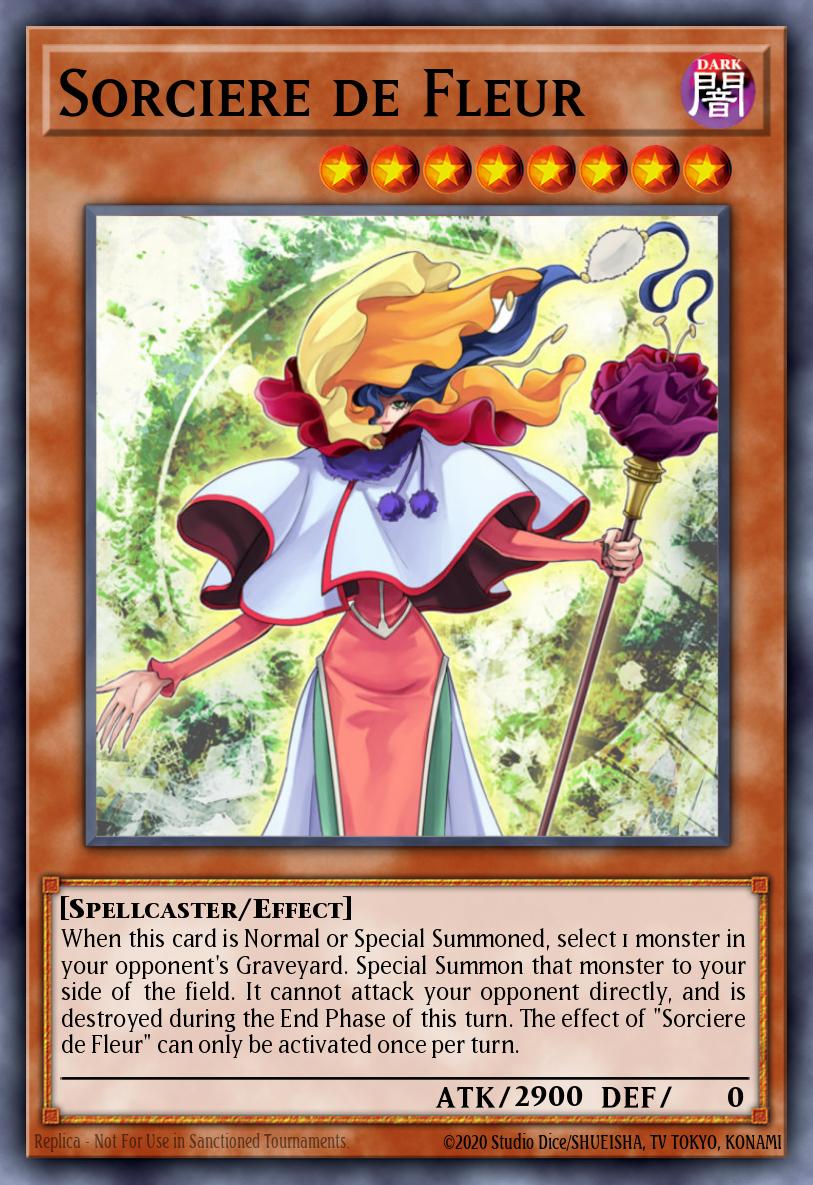

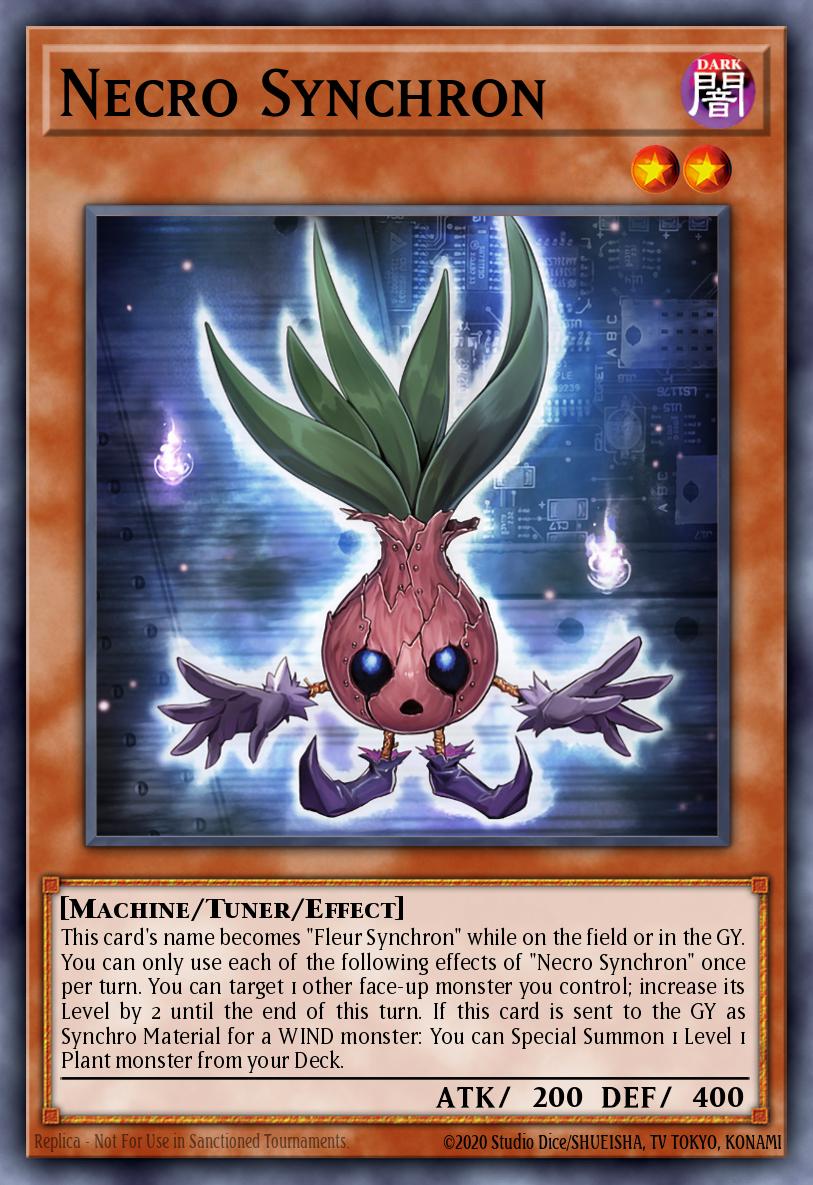

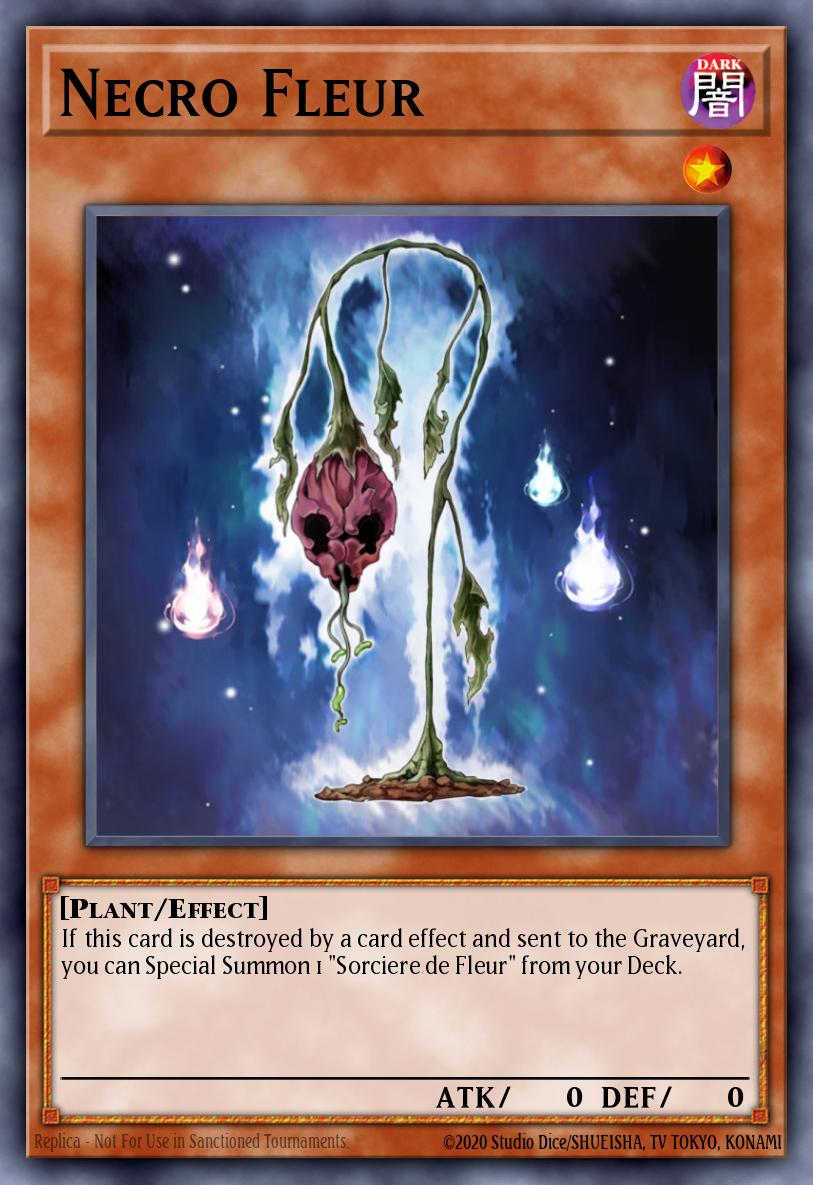
 Revolution des Fleurs
Main Deck (30)
- Armageddon Knight x3
- Orcust Cymbal Skeleton x1
- Orcust Harp Horror x1
- Orcust Knightmare x2
- Radian, the Multidimensional Kaiju x3
- Sauge de Fleur x3
- Scrap Recycler x3
- Sorciere de Fleur x3
- World Legacy - "World Wand" x1
- Sauravis, the Ancient and Ascended x3
- Glow-Up Bulb x1
- Necro Synchron x2
- Orcustrated Babel x1
- Small World x3
Extra Deck (9)
Couldn't load the deck
Deck — Deck Power Evaluation
Final Contextual Deck Power: 43/100 (±6 · Confidence: Medium)
| Overall score | Value |
|---|---|
| Structural Deck Power | 51 |
| Going First | 52 |
| Going Second | 54 |
| Meta Power | provisional |
| Tournament Reliability | 42 |
- Primary strategy: Toolbox
- Secondary strategies: Midrange
- Format: duel-links
Legality
Main 30 / Extra 9 / Side 0 — status: Legal.
Identity & game plan
- Win condition: Large Link/Synchro/Xyz boards (Galatea, Underworld Goddess, Dingirsu, Sauge/Sorciere de Fleur) grinding the opponent down with 2500-3000 ATK bodies after a removal or summon route.; Orcust graveyard loops (Harp Horror, Cymbal Skeleton, Knightmare, Orcustrated Babel) that recycle GY monsters into follow-up summons.
- Turn 1 (going first): Open a Scrap Recycler / Armageddon Knight / Small World searcher line for a 2-card bootstrap, then use an Orcust GY effect or a Link summon to reach a board.
- Turn 2 (going second): Use Underworld Goddess or Sauravis-style negates and the Fleur removal summons to answer the opponent's board, then rebuild a Link or Xyz presence.
- Recovery: Recycle GY monsters through the Orcust GY effects (Harp Horror, Cymbal Skeleton, Knightmare) and Glow-Up Bulb to restock the field after an interruption.
- After siding: No Side Deck is registered (0 cards), so there is no post-side plan; the list cannot adapt between games.
Why it scores here
The deck scores as a loosely built Toolbox list on the system, not as an average of its cards. Its core Orcust GY engine is thin: only 8 of 39 archetype-named copies are exact Orcust and the exact-name purity is 20.5%, with Longirsu, Orcustrion, Forbidden Droplet and Orcustrated Return all absent from a list where they are common staples. Its opening-hand odds are moderate (about 54% for at least one Orcust core card in a 5-card opener) and it has seven searchers, which supports consistency but does not create a clean T1 plan. Interaction and closing power are its real strengths: three negate-text cards, 14 removal-text cards, and a dense group of 2500-3000 ATK bodies in the Extra Deck. Sauravis is a Ritual monster with no Sprite's Blessing or Ritual spell in the list, and there is no Side Deck, so the list has no post-side plan and some dead-card risk. No combo boards, tournament data or win rates exist, so the floor and median are inferred from text and the score stays at Medium confidence.
Dimension scores
| # | Dimension | Score | Evidence |
|---|---|---|---|
| D1 | Engine Accessibility & Consistency | 50 | P(>=1 Orcust core card in 5-card hand) ~0.54 with 4 copies; P(>=1 searcher in 5) ~0.76 with 7 searcher-text cards; the GY-based starters need a card already in GY, so T1 access is weak (Inferred) |
| D2 | Opening-Hand Quality & Brick Management | 52 | Five single-copy and two two-copy non-core slots (Glow-Up Bulb, Harp Horror, Cymbal Skeleton, Babel, World Wand, Knightmare, Necro Synchron) plus a Ritual monster with no Ritual spell give moderate brick and dead-card risk (Inferred) |
| D3 | Combo Conversion & Ceiling | 50 | No recorded boards; the Orcust GY loop and Link/Xyz follow-ups are possible but several key archetype pieces (Longirsu, Orcustrion) are absent, so the ceiling is text-only (Inferred) |
| D4 | Combo Floor & Median Output | 42 | combo data has 0 parseable boards and no median power index; the typical output is inferred as a single Link or Xyz board with some redundancy from Fleur and Synchron cards (Inferred) |
| D5 | Interruption Resilience & Route Redundancy | 55 | Three negate-text cards (Sauravis, Underworld Goddess, Linkuriboh) and several independent summon routes give moderate interruption resilience; the GY recursion adds a second line (Inferred) |
| D6 | Resource Economy, Recovery & Grind | 55 | Seven searcher-text cards and GY recursion (Harp Horror, Cymbal Skeleton, Knightmare, Bulb, Babel) allow some rebuilding after spend; no resource signature data is available (Inferred) |
| D7 | End-Board & Interaction Quality | 62 | Fourteen removal-text cards and three negate-text cards give broad interaction across Fleur, Knightmare and Underworld Goddess effects (Inferred semantic read; flags have no hand traps) |
| D8 | Going-Second & Board-Breaking Power | 55 | Underworld Goddess and the Radian/Fleur summon-and-destroy routes can challenge a board when going second, but the combo split is unavailable and the 6-card hand odds are only slightly better (Inferred) |
| D9 | Offensive Pressure & Closing Power | 68 | Multiple 2500-3000 ATK end-board bodies (Underworld Goddess 3000, Sorciere and Sauge 2900, Radian 2800, Sauravis 2600, Dingirsu 2600) with piercing and direct-attack potential in the deck (Verified stat, Inferred closing) |
| D10 | Main Deck Efficiency & Flexibility | 45 | 30 Main with 14 distinct cards and 21 triple-copy slots, but several generic non-engine cards (Small World, Scrap Recycler, Armageddon Knight) and a fragmented archetype spread (purity 20.5%) reduce coherence (Verified composition, Inferred efficiency) |
| D11 | Extra Deck Efficiency & Coverage | 50 | Nine Extra slots across Link (6), Synchro (2) and Xyz (1) from several sub-archetypes give flexibility, but Galatea and Dingirsu are the only Orcust-coherent Extra pieces and the Extra usage is scattered (Inferred) |
| D12 | Side Deck Adaptability | 10 | No Side Deck is present (0 cards), so there is no post-side adaptability to score; this is a structural gap, not a tested weakness (Verified) |
| D13 | Matchup Coverage & Format Fit | 50 | No tournament context, meta-share or dated metagame sample is available; the score is neutral and provisional (Provisional) |
| D14 | Pilotability & Error Tolerance | 45 | The GY once-per-turn chain, Link and Xyz choices and multi-archetype routing demand moderate decision-making with several optional triggers (Inferred) |
How the score was computed
Strategy profile: Toolbox primary with Midrange secondary (approx. 80/20 in interpretation; Toolbox table used for the numeric blend). Structural ≈ 51, Going First ≈ 52, Going Second ≈ 54, Meta = provisional, Tournament Reliability ≈ 42. Modifiers: engine conflicts (-3); weak_post_side_plan (-2); ritual_dependency_gap (-1). Final formula: 0.80*Structural + 0.20*TournamentReliability (Meta provisional) + ContextModifiers = 0.80*51 + 0.20*42 - 6 = 43
Couldn't load the combos
