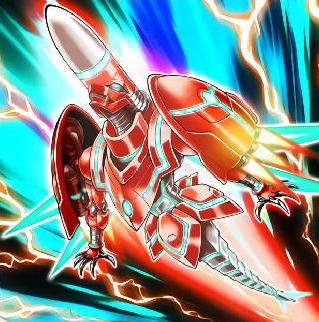
Rokket Deck #787829 — Yu-Gi-Oh! Duel Links
28 Main, 9 Extra, incl. Droll & Lock Bird x3, Book of Eclipse x3, Boot Sector Launch x3 - Skill: Doom Ushering Gale.
Created by: YGO Mod (20517634)
Created On: 11/08/2026



 Doom Ushering Gale
Main Deck (28)
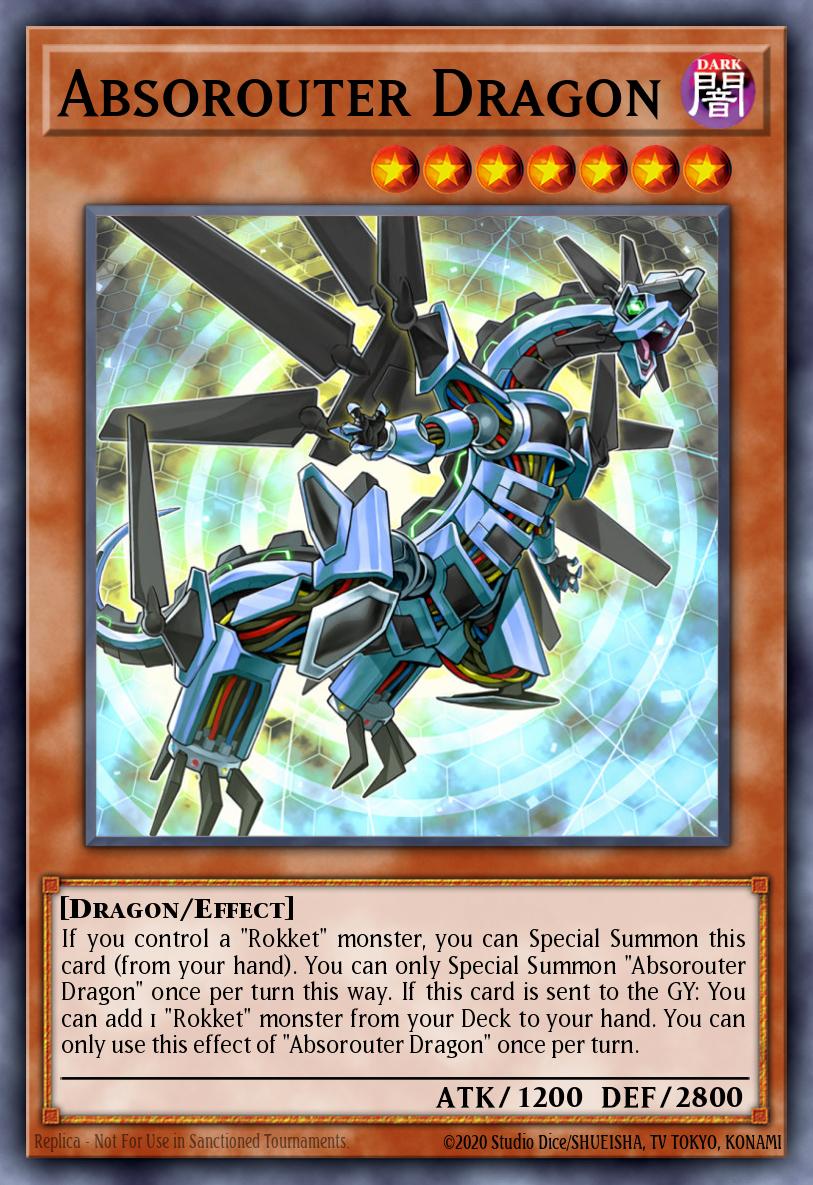
- Absorouter Dragon x1
- Autorokket Dragon x1
- Bystial Druiswurm x1
- Bystial Magnamhut x1
- Droll & Lock Bird x3
- Magnarokket Dragon x1
- Rokket Detonator x1
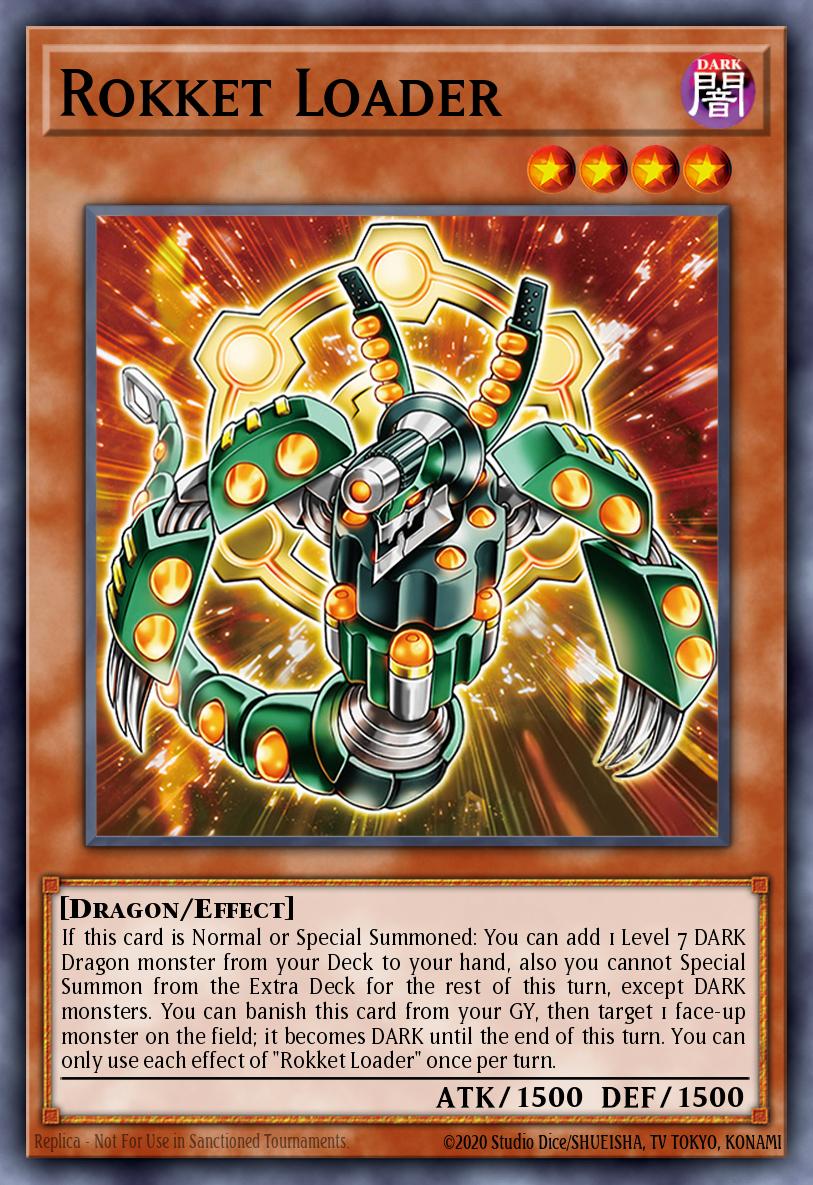
- Rokket Loader x2
- Rokket Recharger x1
- Silverrokket Dragon x1
- Rokket Caliber x1
- Rokket Synchron x1
- Rokket Tracer x2
- Book of Eclipse x3
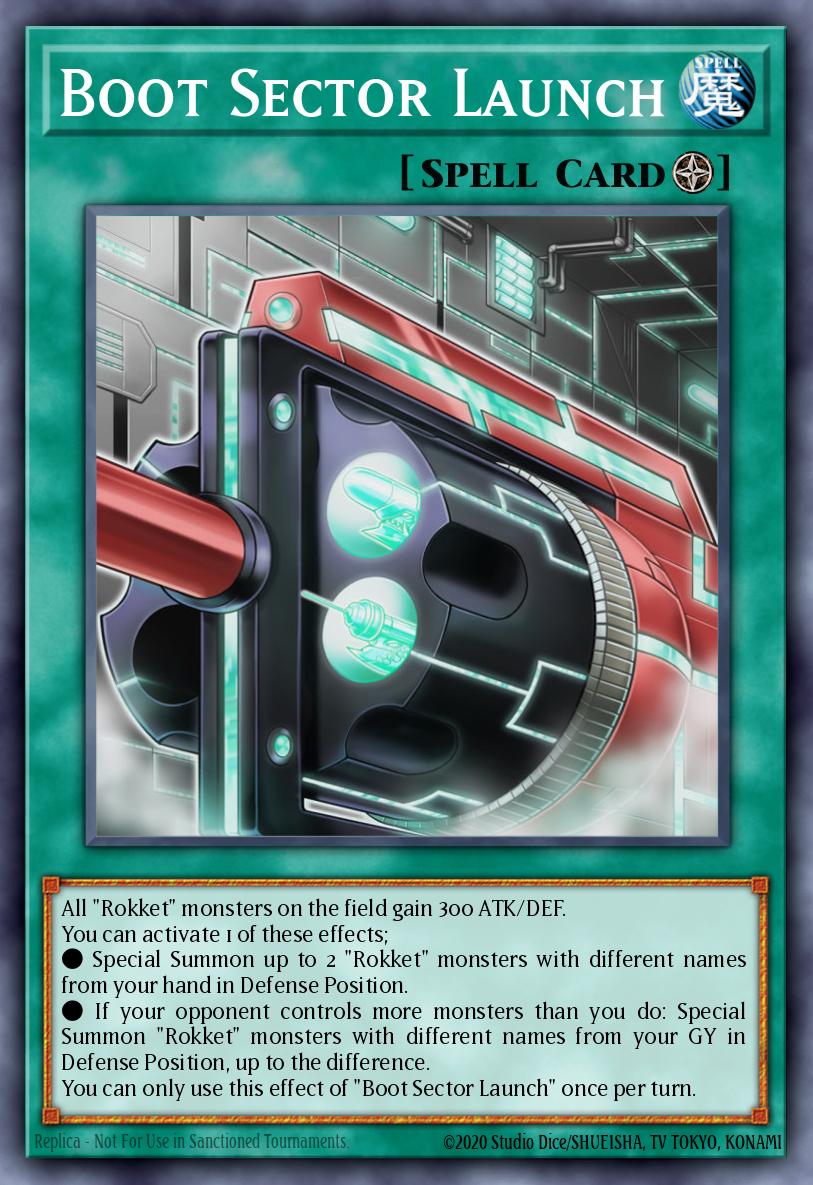
- Boot Sector Launch x3
- Double Interlock x1
- Forbidden Droplet x2
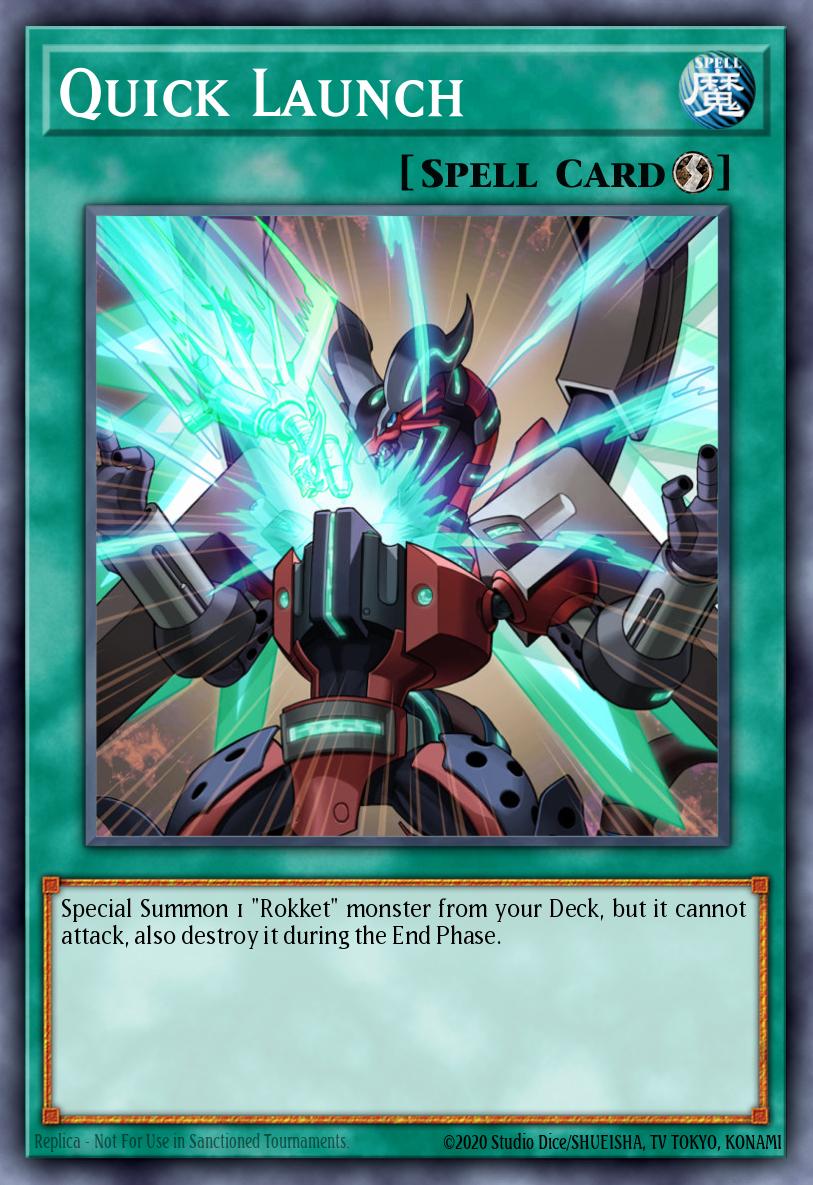
- Quick Launch x2
Extra Deck (9)
Couldn't load the deck
Deck — Deck Power Evaluation
Final Contextual Deck Power: 61/100 (±6 · Confidence: Medium)
| Overall score | Value |
|---|---|
| Structural Deck Power | 64.9 |
| Going First | 64 |
| Going Second | 62 |
| Meta Power | provisional |
| Tournament Reliability | 55 |
- Primary strategy: Combo
- Secondary strategies: Midrange, Tempo
- Format: duel-links
Legality
Main 28 / Extra 9 / Side 0 — status: Legal.
Identity & game plan
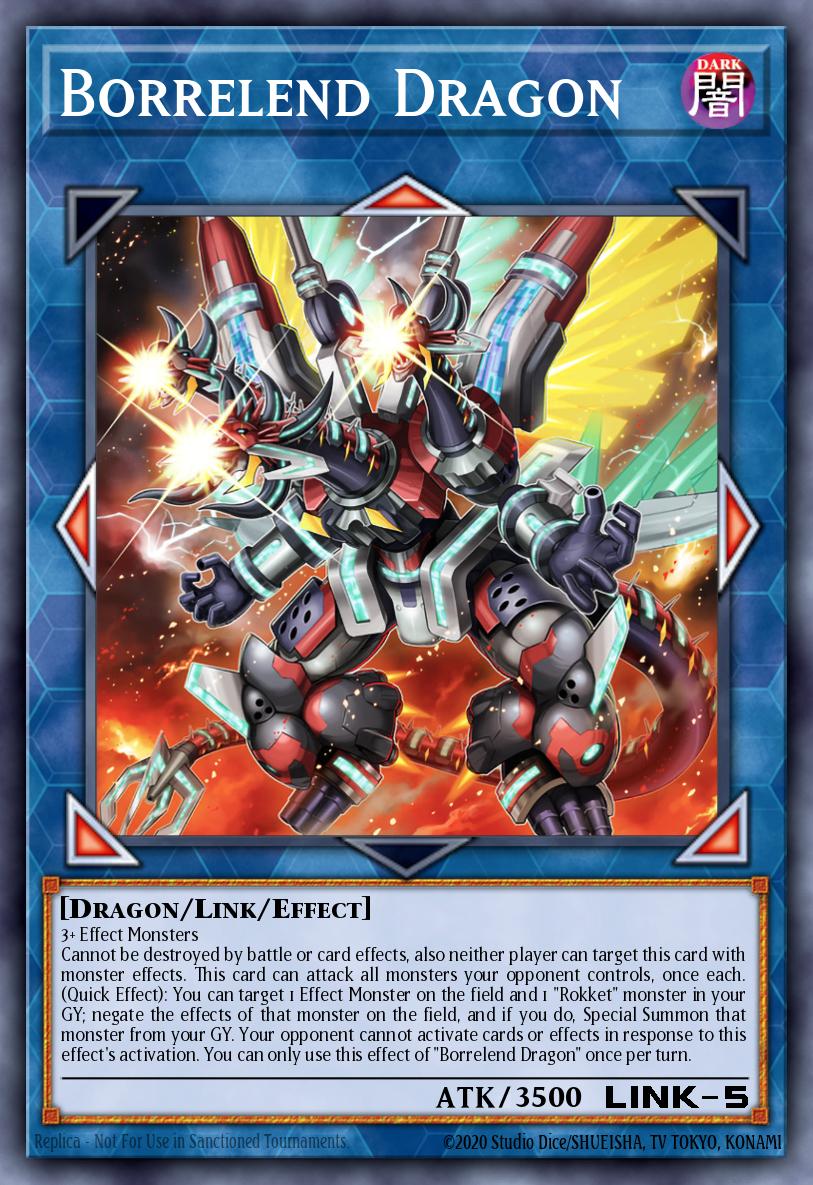
- Win condition: Link/Fusion boss monsters in the 3000+ ATK range (Borrelend Dragon, Borreload Furious Dragon, Borreload Dragon) reached through a chain of Rokket Special Summons and Link Summons; Interruption-heavy Rokket board control that buys time for the Extra Deck boss line, using negations, mass ATK and position effects
- Turn 1 (going first): Open with a Rokket starter (Quick Launch, Rokket Tracer or a hand Rokket monster) and build a Link Monster, then Link Summon into the Borrel line for a boss
- Turn 2 (going second): Use Droll & Lock Bird or Forbidden Droplet to stop the opponent's first board, then rebuild through Rokket recursion from the Graveyard
- Recovery: Recursion from the Graveyard (Absorouter Dragon, Rokket Synchron, Rokket Recharger) restarts the engine after the opponent clears the field
- After siding: Not applicable: the deck runs no side cards and Duel Links does not use a post-side step
Why it scores here
The deck reliably opens a Rokket starter in its first hand: each of Boot Sector Launch, Droll & Lock Bird and Book of Eclipse has about a 46% chance of appearing in a 5-card opening hand, and Quick Launch and Rokket Tracer add more starter access, so the opening is consistent but not guaranteed. Its strongest points are the redundancy of the Rokket engine (several summon routes, Graveyard recursion, and link-response effects) and an Extra Deck that reaches 3000+ ATK bosses, which give it closing power and resilience after a disruption. Its weaknesses are a brick rate from eight situational cards (three Droll, three Book of Eclipse, two Forbidden Droplet) and a demanding line that the guides describe as hard to pilot. The score comes from consistency, median output and interaction across the whole system, not from the archetype's popularity or from averaging the individual card scores, and the lack of recorded boards means the combo estimates are Inferred.
Dimension scores
| # | Dimension | Score | Evidence |
|---|---|---|---|
| D1 | Engine Accessibility & Consistency | 66 | P(at least one Boot Sector Launch in a 5-card opening hand) ≈ 0.46 with three copies; several one-card Rokket starters add access; combo and starter estimates are text-based (Inferred) |
| D2 | Opening-Hand Quality & Brick Management | 52 | Eight situational cards (Droll x3, Book of Eclipse x3, Forbidden Droplet x2) and 11 single-copy cards lower the functional-hand rate; no hand simulation (Inferred) |
| D3 | Combo Conversion & Ceiling | 70 | Link and Fusion boss lines reach 3000+ ATK and carry negation text, but no recorded boards exist to confirm conversion (Inferred) |
| D4 | Combo Floor & Median Output | 56 | No recorded boards to measure the median; the guides describe a Boot Sector draw problem, so the typical result is lower than the ceiling (Provisional) |
| D5 | Interruption Resilience & Route Redundancy | 70 | Several independent summon routes plus Graveyard recursion (Absorouter, Synchron, Recharger) continue the line after one disruption (Inferred) |
| D6 | Resource Economy, Recovery & Grind | 68 | Graveyard recursion and search effects regenerate resources across turns; no resource telemetry exists (Inferred) |
| D7 | End-Board & Interaction Quality | 72 | Breadth of interaction: Droll & Lock Bird, Forbidden Droplet, Book of Eclipse, Rokket Synchron and Detonator negation, and link-response destruction (Inferred from card text) |
| D8 | Going-Second & Board-Breaking Power | 66 | Hand traps and negation give going-second answers to a board; the Borrel bosses add pressure after the board is cleared (Inferred) |
| D9 | Offensive Pressure & Closing Power | 78 | Extra Deck bosses at 3000 to 3500 ATK, with Borrelend Dragon able to attack all monsters once each (verified by card text) |
| D10 | Main Deck Efficiency & Flexibility | 62 | 28 main cards in a 20–30 range; three-copy staples and eleven spells lower compactness, but the copy spread is reasonable (verified by composition) |
| D11 | Extra Deck Efficiency & Coverage | 72 | Nine Extra Deck cards, with two Striker Dragon as cheap Link-1 material and the Borrel bosses covering the late game (verified by composition) |
| D12 | Side Deck Adaptability | 35 | No side cards are run and the format has no post-side step, so no adaptation plan exists (Provisional) |
| D13 | Matchup Coverage & Format Fit | 50 | Tier 3 is a claim from a guide and not verified; no tournament, matchup or win-rate data exists (Provisional) |
| D14 | Pilotability & Error Tolerance | 40 | Many optional effects, timing windows and a link-chain sequence raise the decision load; the guides call the deck complex to play (Inferred) |
How the score was computed
Strategy profile: Combo profile used; Midrange not blended into the weights. Structural ≈ 64.9, Going First ≈ 64, Going Second ≈ 62, Meta = provisional, Tournament Reliability ≈ 55. Modifiers: Situational dead cards (-2). Final formula: 0.80*Structural + 0.20*TournamentReliability (Meta provisional) + ContextModifiers (-2); 0.80*64.9 + 0.20*55 - 2 ≈ 60.9, rounded to 61
Probability & combo summary
- Opening a starter: P(≥1) ≈ 0.46 · key two-card combo ≈ — · full-brick estimate ≈ — (all Inferred)
- Combo output: best PowerIndex —, median —, board-per-starter —
- Turn order: 0 going-first lines vs 0 going-second lines
Strengths
- Several one-card Rokket starters and Graveyard recursion give the engine redundancy
- Extra Deck bosses at 3000 to 3500 ATK close games
- Layered interaction: hand traps, negation, mass ATK and position effects, and link-response destruction
Weaknesses
- Eight situational cards raise the brick rate
- Heavy reliance on a Rokket-only starter pool, with only 17 of 28 main cards using the exact archetype name
- Pilot complexity from optional effects and link-chain timing
Critical choke points
- Starting the engine needs a Rokket starter in the opening hand; no hand-independent starter is present
Recommended changes
| Priority | Remove | Add | Reason |
|---|---|---|---|
| 1 | One Book of Eclipse | One additional one-card Rokket starter | Lowers dead-card risk while keeping the same engine; the add is a suggestion and depends on the card pool, which is not verified here |
Evidence & confidence
- Verified: Legal in Duel Links with 28 Main, 9 Extra and 0 Side cards; Restricted cards (Silverrokket Dragon Limited, Bystial Druiswurm and Bystial Magnamhut Semi-Limited) are within their copy limits; Card texts and boss ATK values; Archetype purity 45.9% exact name
- Inferred: Starter and brick estimates from hypergeometric draws; Interaction and recursion reads from card text; Combo ceiling from text only, with no recorded boards
- Provisional: Tier 3 standing (from a guide, unverified); Matchup fit and post-side plan (no data); Meta power (null)
- Data gaps: No recorded combos, so ceiling, median and floor are text-based inference No tournament link: archetype meta-share and per-pilot records are absent No win-rate telemetry (going-first/second, matchup, brick or starter rates) Usage statistics flag 7 Borrel and Link extra cards as not in the deck (in this deck false), but the card list places them in the Extra Deck; this was treated as a data inconsistency and the cards were counted as present Meta power is provisional without a dated metagame sample
Couldn't load the combos