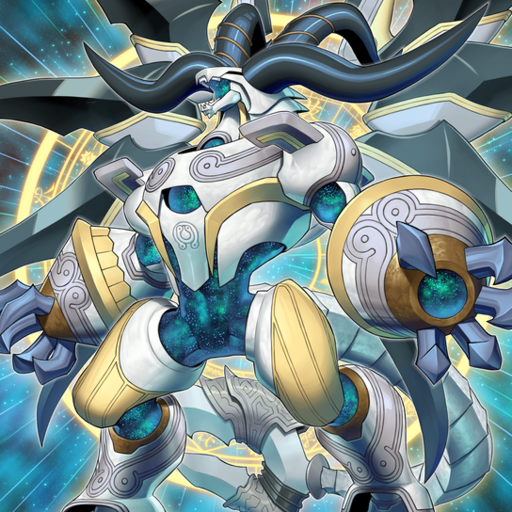
Dracotail Deck #774344 — Yu-Gi-Oh! Master Duel
40 Main, 15 Extra, incl. Dracotail Faimena x3, Mulcharmy Fuwalos x3, Ash Blossom & Joyous Spring x3. Created Oct 27, 2026 by YGO Mod.
Created by: YGO Mod (20517634)
Created On: 10/27/2026
Main Deck (40)
- Bystial Magnamhut x1
- Dracotail Faimena x3
- Dracotail Lukias x1
- Dracotail Mululu x2
- Dracotail Pan x1
- Dracotail Phryxul x1
- Dracotail Urgula x2
- Droll & Lock Bird x1
- Fallen of Albaz x1
- Fallen of the White Dragon x2
- Maxx "C" x1
- Mulcharmy Fuwalos x3
- Mulcharmy Purulia x2
- Ash Blossom & Joyous Spring x3
- Blazing Cartesia, the Virtuous x1
- Effect Veiler x2
- Ghost Belle & Haunted Mansion x1
- Incredible Ecclesia, the Virtuous x1
- Branded Fusion x1
- Ketu Dracotail x2
- Rahu Dracotail x1
- Super Polymerization x2
- The Fallen & The Virtuous x2
- Dracotail Flame x1
- Dracotail Horn x1
- Dracotail Sting x1
Extra Deck (15)
- Alba-Lenatus the Abyss Dragon x1
- Albion the Branded Dragon x1
- Albion the Sanctifire Dragon x1
- Dracotail Arthalion x2
- Dracotail Gulamel x1
- Favorite HERO Shining Flare Wingman x1
- Garura, Wings of Resonant Life x1
- Mirrorjade the Iceblade Dragon x1
- Mudragon of the Swamp x1
- Rindbrumm the Striking Dragon x1
- Secreterion Dragon x1
- The Dragon that Devours the Dogma x1
- Predaplant Verte Anaconda x1
- Ecclesia and the Dark Dragon x1
Couldn't load the deck
Deck — Deck Power Evaluation
Final Contextual Deck Power: 64/100 (±8 · Confidence: Medium)
| Overall score | Value |
|---|---|
| Structural Deck Power | 69 |
| Going First | 74 |
| Going Second | 74 |
| Meta Power | provisional |
| Tournament Reliability | 62 |
- Primary strategy: Control
- Secondary strategies: Toolbox
- Format: master-duel
Legality
Main 40 / Extra 15 / Side 0 — status: Legal.
Identity & game plan
- Win condition: Fusion Summon Dragon boss monsters (Arthalion, Albion Sanctifire, Dragon that Devours the Dogma, Mirrorjade) from Extra Deck through Dracotail disruption and Fallen of Albaz material lines; Dracotail Gulamel and Dracotail Pan board-breaking after a fusion, plus Mulcharmy card advantage over long rounds
- Turn 1 (going first): Open with Dracotail Faimena or Ketu Dracotail to Fusion Summon a Dragon, or Fallen of Albaz to Fusion from hand, while keeping Ash Blossom, Effect Veiler and Ghost Belle up for the opponent's first combo
- Turn 2 (going second): Use hand traps (Ash Blossom, Effect Veiler x2, Ghost Belle, Maxx C, Droll and Lock Bird) on the opponent's turn to break their board, then answer with fusions and Dracotail recursion
- Recovery: Recover through Dracotail GY and banished recursion (Lukias, Urgula, Phryxul), Mulcharmy draws, and Dracotail Flame, Horn or Sting card-neutral draws
- After siding: No side deck is registered in the export; post-side plan not evaluable from this evidence
Why it scores here
The deck opens functionally through several redundant starters: three Dracotail Faimena, two Ketu, two Mululu, two Urgula, and five Mulcharmy draw monsters give a high chance of a live engine in the opening hand, with the archetype-core proxy near 99.5 percent (Inferred). Its real strength is interaction on the system, not the individual cards: eight hand traps and several Dracotail trap and spell disruptors let it answer the opponent's turn and keep the Extra Deck fusions online. Extra Deck fusions (Arthalion, Albion Sanctifire, Dragon that Devours the Dogma, Mirrorjade) provide 3000 ATK closing power, but many depend on Fallen of Albaz or the Fallen of the White Dragon line, which is a real choke point. No combo boards, win rates, tournament link or side deck were supplied, so the floor and median scores are Inferred and the Meta Power stays provisional; popularity of the archetype did not earn points, and card scores were not averaged into the deck score.
Dimension scores
| # | Dimension | Score | Evidence |
|---|---|---|---|
| D1 | Engine Accessibility & Consistency | 74 | P(at least one of 3 Dracotail Faimena in opening 5) ≈ 0.34 with ~20 redundant starters; archetype-core proxy 0.995 (Inferred) |
| D2 | Opening-Hand Quality & Brick Management | 66 | Copy histogram is spread (15 singles, 8 doubles, 3 triples); hand traps and draw traps mitigate brick risk; some conditional dead draws such as Maxx C and Ketu (Inferred) |
| D3 | Combo Conversion & Ceiling | 70 | Fusion Summon chain from Faimena or Ketu into Arthalion, Gulamel or Pan has a high ceiling, but no recorded boards to verify it (Inferred) |
| D4 | Combo Floor & Median Output | 58 | No combo boards in evidence; median output rests on Fallen of Albaz availability and Extra Deck access (Inferred) |
| D5 | Interruption Resilience & Route Redundancy | 80 | Eight hand traps plus Dracotail GY recursion and Mulcharmy draws give multiple independent lines after an interruption (Inferred) |
| D6 | Resource Economy, Recovery & Grind | 76 | Mulcharmy draws, Garura draw, Dracotail Flame/Horn/Sting card-neutral draws and Ketu/Lukias searches give strong resource gain (Inferred) |
| D7 | End-Board & Interaction Quality | 80 | Eight hand traps and multiple Dracotail removal and negation effects (Dracotail Sting, Pan, Gulamel, Rindbrumm, Mirrorjade) provide layered interaction (Inferred semantic read) |
| D8 | Going-Second & Board-Breaking Power | 76 | Hand traps hit at least one in 76.4 percent of going-second 6-card hands; fusion board-breakers add value once a fusion is made (Inferred) |
| D9 | Offensive Pressure & Closing Power | 74 | Several 2700 to 3000 ATK Dragon fusions plus Arthalion and Dragon that Devours the Dogma give closing pressure (Verified stats, Inferred use) |
| D10 | Main Deck Efficiency & Flexibility | 66 | 40-card main with 65 percent off-archetype copies (exact-name purity 34.5 percent) and a mixed toolbox base; compact but not tightly engine-focused (Inferred) |
| D11 | Extra Deck Efficiency & Coverage | 63 | 15 Extra Deck slots, with several fusions depending on the single Fallen of Albaz plus two White Dragon Albaz-treats; less flexible than a single-engine list (Inferred) |
| D12 | Side Deck Adaptability | 35 | No side deck in the export; no post-side evidence, so this scores low (Provisional) |
| D13 | Matchup Coverage & Format Fit | 55 | No tournament link or dated meta sample; archetype usage is high at 92 to 100 percent core inclusion, but meta share is absent (Provisional) |
| D14 | Pilotability & Error Tolerance | 52 | Multi-step fusion chains with Albaz and Branded restrictions and many timing-dependent hand traps raise decision load (Inferred) |
How the score was computed
Strategy profile: Control. Structural ≈ 69, Going First ≈ 74, Going Second ≈ 74, Meta = provisional, Tournament Reliability ≈ 62. Modifiers: banlist exposure (-2); single-card dependence on Fallen of Albaz (-2); engine conflicts (-2); redundant starter access (2). Final formula: 0.80*Structural(69.1) + 0.20*TournamentReliability(62) + ContextModifiers(-4) = 63.7, rounded to 64; Meta provisional (no dated sample)
Probability & combo summary
- Opening a starter: P(≥1) ≈ 1 · key two-card combo ≈ — · full-brick estimate ≈ — (all Inferred)
- Combo output: best PowerIndex —, median —, board-per-starter —
- Turn order: 0 going-first lines vs 0 going-second lines
Strengths
- Redundant starter access through three Faimena, two Ketu, two Urgula, two Mululu and five Mulcharmy
- Eight hand traps covering both going-first and going-second
- Dragon boss fusions at 2700 to 3000 ATK with layered removal and negation support
- Strong card advantage through Mulcharmy and card-neutral Dracotail traps
Weaknesses
- Fallen of Albaz dependence is a single-card choke for several Extra Deck fusions
- Engine conflict across Dracotail, Mulcharmy, Albaz/Branded and Ecclesia lines
- Six Limited singletons limit consistency if the banlist shifts
- No side deck registered, so post-side adaptation is unverified
Critical choke points
- Fallen of Albaz (1 copy) plus two Fallen of the White Dragon treats as the Albaz material source for most Albaz-dependent fusions
Recommended changes
| Priority | Remove | Add | Reason |
|---|---|---|---|
| 1 | Maxx C | A second Albaz-treated monster or Dracotail starter | Maxx C is Limited and weakest when the opponent does not Special Summon; a second Albaz source reduces the Fallen of Albaz choke point |
Evidence & confidence
- Verified: Legal size (40/15/0) and copy limits for all 11 restricted cards; Card texts and banlist statuses from the evidence pack; Usage statistics: core inclusion 60 percent present, archetype-standard core mostly run
- Observed: Usage-statistics inclusion rates for the Dracotail core
- Inferred: Starter access and brick estimates from hypergeometric odds and card text; Interaction quality from text role hints; Engine conflict and pilotability reads
- Provisional: Meta Power (null) and matchup/format fit; Post-side plan
- Data gaps: no combos supplied, so combo floor/median/ceiling is text-only inference no tournament link, so archetype meta-share and per-pilot records are absent no win-rate telemetry (going-first/second, matchup, brick, starter rates) no side deck registered for a Master Duel list Meta Power is provisional without a dated metagame sample
Couldn't load the combos