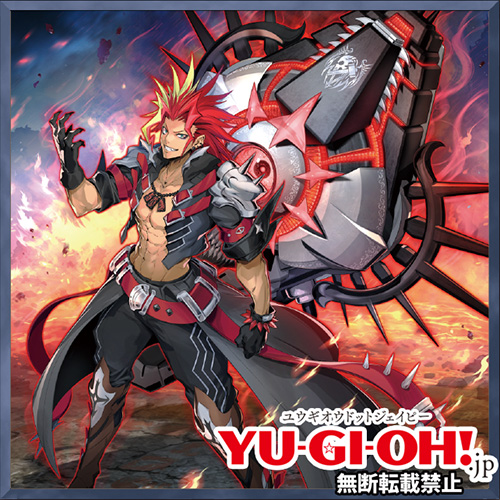
Fiendsmith Deck #762743 — Yu-Gi-Oh! Master Duel
41 Main, 15 Extra, incl. Chamber Dragonmaid x3, Nurse Dragonmaid x3, Parlor Dragonmaid x3. Created Oct 6, 2026 by YGO Mod.
Created by: YGO Mod (20517634)
Created On: 10/06/2026
Main Deck (41)
- Bystial Baldrake x1
- Bystial Druiswurm x1
- Bystial Magnamhut x1
- Chamber Dragonmaid x3
- Dragonmaid Ernus x1
- Dragonmaid Lorpar x1
- Dragonmaid Nudyarl x1
- Dragonmaid Tinkhec x2
- Fabled Lurrie x1
- Fiendsmith Engraver x2
- Golem that Guards the Millennium Treasures x1
- Kitchen Dragonmaid x1
- Lacrima the Crimson Tears x1
- Nurse Dragonmaid x3
- Parlor Dragonmaid x3
- Sengenjin Wakes from a Millennium x1
- The Bystial Lubellion x2
- Ash Blossom & Joyous Spring x2
- Branded Regained x1
- Dragonmaid Changeover x1
- Dragonmaid Hospitality x3
- Fiendsmith's Tract x1
- Raigeki x1
- Triple Tactics Talent x2
- Wedju Temple x1
- Dragonmaid Tidying x3
Extra Deck (15)
Couldn't load the deck
Deck — Deck Power Evaluation
Final Contextual Deck Power: 53/100 (±6 · Confidence: Medium)
| Overall score | Value |
|---|---|
| Structural Deck Power | 57 |
| Going First | 58 |
| Going Second | 56 |
| Meta Power | provisional |
| Tournament Reliability | 52 |
- Primary strategy: Midrange
- Secondary strategies: Toolbox, Tempo
- Format: master-duel
Legality
Main 41 / Extra 15 / Side 0 — status: Legal.
Identity & game plan
- Win condition: Dragonmaid Fusion boards (Dragonmaid Sheou, House Dragonmaid) backed by 3500/3000 ATK bodies and Dragon-based recursion; Link and Xyz pressure (Fiendsmith's Lacrima, The Zombie Vampire) once the board is established
- Turn 1 (going first): Turn 1 Dragonmaid search or Normal Summon into a Dragonmaid Spell/Trap (Hospitality or Tidying) for board presence; hold Ash Blossom for the opponent's first activation
- Turn 2 (going second): Hand trap (Ash Blossom x2) on the opponent's opening starter, then a Fusion or Link line through Dragonmaid recursion
- Recovery: Return Dragonmaid monsters to hand at the Battle Phase (Chamber, Nurse, Parlor, Kitchen) and reuse them for later summons and searches
- After siding: Not applicable: Master Duel has no Side Deck in this list (side 0); adaptation is limited to in-deck flex choices
Why it scores here
The deck is a Dragonmaid-based midrange shell: 27 of 41 Main Deck copies are Dragonmaid, with 5 Bystial and 7 Fiendsmith cards, so its exact Fiendsmith purity is only 12.5% even though the listed archetype is Fiendsmith. It opens functional plans through a dense searcher suite (13 searcher-text cards, P(at least one in a 5-card opening hand) about 0.87) but the three-copy starters have only about a 0.33 chance of appearing in an opening hand, which caps D1 and D2. Interaction is the strongest system trait: two Ash Blossom, Triple Tactics Talent, Raigeki, Bystial Magnamhut and Dragonmaid Sheou negation give layered answers (D7 66), and Dragonmaid recursion keeps the deck playing after disruption (D5 58, D6 62). Popularity and the archetype label did not earn points, and no card scores were averaged; the score comes from consistency, interaction and resource recovery on the system. No recorded boards, win rates or tournament data exist, so combo ceiling and floor are text-based inferences and the score is capped by that gap.
Dimension scores
| # | Dimension | Score | Evidence |
|---|---|---|---|
| D1 | Engine Accessibility & Consistency | 58 | P(at least one copy of Chamber/Nurse/Parlor Dragonmaid in a 5-card opening hand) is about 0.33 each, with about 0.87 for any of 13 searcher-text cards; the engine depends on Dragonmaid starters with no confirmed combo lines (Inferred) |
| D2 | Opening-Hand Quality & Brick Management | 55 | Many searchers and single-copy tech cards (16 singletons) reduce brick risk, but the Dragonmaid and Fusion requirements can conflict with Normal Summon limits; no brick-rate data (Inferred) |
| D3 | Combo Conversion & Ceiling | 60 | Dragonmaid Sheou and House Dragonmaid give strong Fusion boards once materials are live; no recorded combo boards, so the ceiling is a semantic read of card text (Inferred) |
| D4 | Combo Floor & Median Output | 50 | No combos_evidence boards exist, so the median is unmeasured and based on the chance that starters and searchers combine into a Fusion line (Provisional) |
| D5 | Interruption Resilience & Route Redundancy | 58 | Dragonmaid Changeover, Battle Phase recursion and Ash Blossom give independent lines after one disruption, but starter diversity is unmeasured (Inferred) |
| D6 | Resource Economy, Recovery & Grind | 62 | Searchers (Fiendsmith's Tract, Chamber, Parlor) and recursion (Changeover returning Dragonmaid from the GY) regenerate resources across turns (Inferred) |
| D7 | End-Board & Interaction Quality | 66 | Two Ash Blossom, Triple Tactics Talent, Raigeki, Bystial Magnamhut, Bystial Druiswurm and Sheou negation give layered, multi-type interaction (Verified card text, Inferred quality) |
| D8 | Going-Second & Board-Breaking Power | 60 | Going-second value rests on Ash Blossom and Sheou negation plus Raigeki and Bystial removal, with no going-second split data (Inferred) |
| D9 | Offensive Pressure & Closing Power | 62 | Dragonmaid Sheou (3500 ATK), House Dragonmaid (3000) and Lubellion (2500) provide closing pressure, but closing depends on Fusion access (Verified stat, Inferred closing) |
| D10 | Main Deck Efficiency & Flexibility | 55 | 41 Main Deck cards across 26 distinct names, 16 singletons and 8 non-engine spells and traps; the spread is wide, so the main deck is less compact than a focused engine (Inferred) |
| D11 | Extra Deck Efficiency & Coverage | 60 | 15 Extra Deck slots carry 3 Sheou, 2 House, Lacrima, Requiem, Sequence, Hieratic, Vampire and Snake-Eyes, which is a broad mix with several extra-deck-only lines (Verified composition, Inferred flexibility) |
| D12 | Side Deck Adaptability | 25 | Master Duel has no side deck in this list (side 0), so post-side adaptability is not supported by the evidence (Provisional) |
| D13 | Matchup Coverage & Format Fit | 50 | No tournament link, no archetype meta-share and no match record, so format fit cannot be measured (Provisional) |
| D14 | Pilotability & Error Tolerance | 40 | The deck needs multiple sequencing decisions (Fusion materials, Battle Phase returns, negation timing) that raise pilot skill demand (Inferred) |
How the score was computed
Strategy profile: Midrange primary, Toolbox secondary (structural weights from the Midrange profile). Structural ≈ 57, Going First ≈ 58, Going Second ≈ 56, Meta = provisional, Tournament Reliability ≈ 52. Modifiers: engine_conflict (-2); banlist_exposure (-1). Final formula: 0.80*Structural + 0.20*TournamentReliability + ContextModifiers (Meta provisional, no dated metagame sample)
Probability & combo summary
- Opening a starter: P(≥1) ≈ 0.33 · key two-card combo ≈ — · full-brick estimate ≈ — (all Inferred)
- Combo output: best PowerIndex —, median —, board-per-starter —
- Turn order: 0 going-first lines vs 0 going-second lines
Strengths
- Dense searcher suite (13 searcher-text cards) keeps early plans accessible
- Layered interaction: two Ash Blossom, Triple Tactics Talent, Raigeki, Bystial Magnamhut and Sheou negation
- Dragonmaid recursion gives repeatable value across turns
- Fusion boards with 3500 and 3000 ATK bodies close games
Weaknesses
- Only 12.5% exact Fiendsmith purity, so the archetype label overstates engine cohesion
- Three-copy Dragonmaid starters are not reliably live in the opening hand
- No recorded combo data, so the ceiling and median are unmeasured
- 16 singleton slots dilute the core engine
Critical choke points
- Dragonmaid starter access in the opening hand (about 0.33 at hand 5)
- Fusion Extra Deck access for the main closing lines
Recommended changes
| Priority | Remove | Add | Reason |
|---|---|---|---|
| 1 | One singleton tech card with no engine connection (e.g. Raigeki or Triple Tactics Talent) | A second copy of a core Dragonmaid starter (Chamber or Nurse Dragonmaid) | Raises P(starter live) for the main engine, which is the largest D1 and D2 constraint |
| 2 | Fiendsmith support cards that do not connect to the Dragonmaid plan | Additional Dragonmaid or Dragon-compatible searchers | Reduces engine conflict and the archetype-purity gap |
Evidence & confidence
- Verified: Main Deck 41 cards, Extra Deck 15, no violations, status Legal (master-duel ban field); Bystial Magnamhut is Limited at 1 copy (legal_copies 1, copies_run 1); Dragonmaid archetype spread 27 of 41 Main Deck copies; exact Fiendsmith purity 12.5%; Card text for Sheou, House Dragonmaid, Ash Blossom and Raigeki as supplied in the evidence
- Inferred: Starter P(at least one in hand 5) about 0.33 for three-copy Dragonmaid starters, and about 0.87 for any of 13 searchers; Interaction layering and recursion resilience from card-text reads; Going-first and going-second strength from text, not measured splits; Fusion closing pressure depends on Extra Deck access
- Provisional: Meta Power (null, no dated metagame sample); Matchup fit and tournament reliability (no tournament link or match record); Side adaptability (Master Duel has no side deck)
- Data gaps: no combos supplied: combo floor, median and ceiling are text-only inference no tournament link: archetype meta-share and per-pilot match record absent no win-rate telemetry (going-first/second, matchup, brick/starter rates) exists in YGOVN Meta Power is provisional unless a dated metagame sample is supplied Side deck absent in Master Duel, so D12 relies on the in-deck flex only
Couldn't load the combos