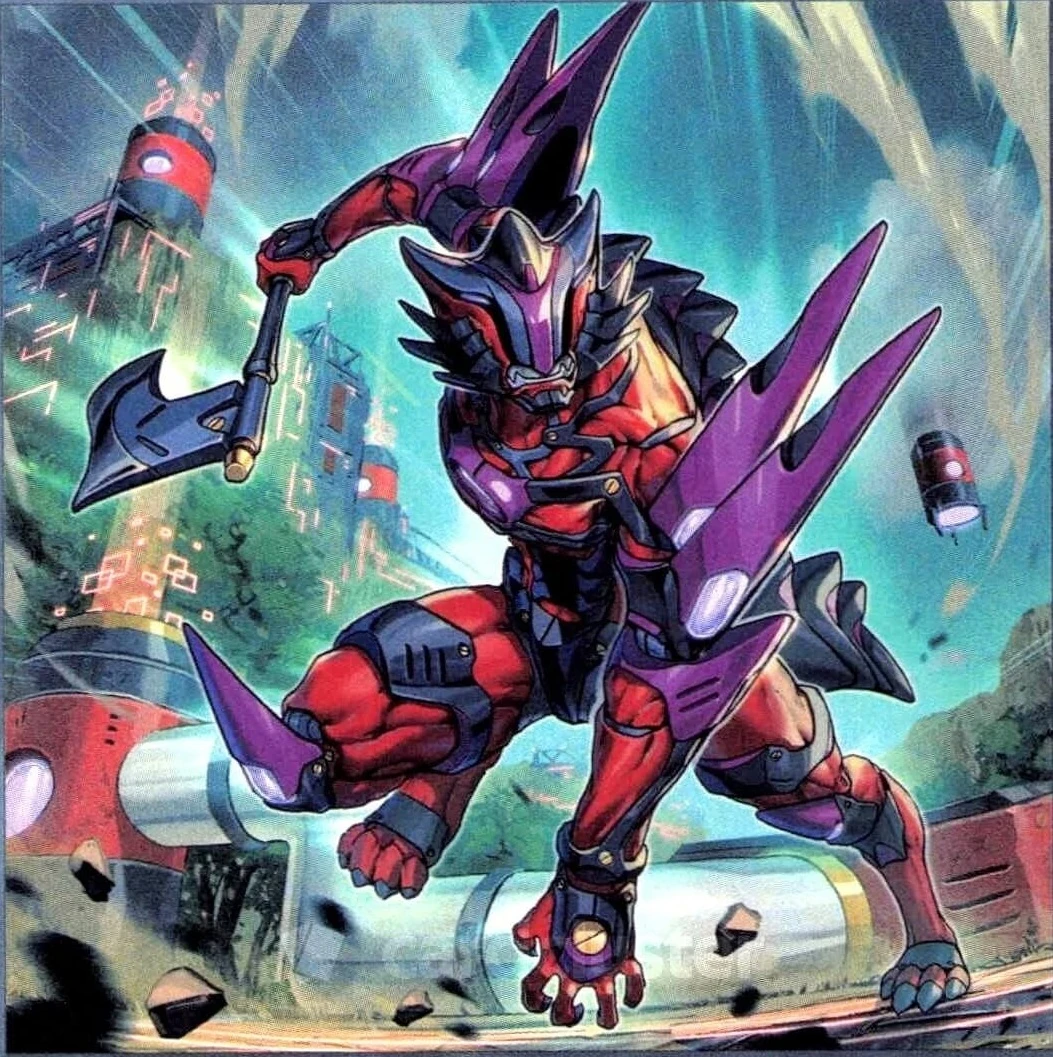
Kashtira Deck #762112 — Yu-Gi-Oh! Master Duel
40 Main, 15 Extra, incl. Mulcharmy Fuwalos x3, Tearlaments Havnis x3, Tearlaments Reinoheart x3.
Created by: YGO Mod (20517634)
Created On: 10/05/2026
Main Deck (40)
- Droll & Lock Bird x2
- Fabled Lurrie x1
- Fairy Tail - Snow x1
- Fiendsmith Engraver x2
- Kashtira Fenrir x2
- Keldo the Sacred Protector x1
- Lacrima the Crimson Tears x1
- Maxx "C" x1
- Mudora the Sword Oracle x1
- Mulcharmy Fuwalos x3
- Mulcharmy Purulia x1
- Tearlaments Havnis x3
- Tearlaments Kashtira x1
- Tearlaments Reinoheart x3
- Tearlaments Scheiren x2
- Ash Blossom & Joyous Spring x3
- Fiendsmith's Tract x1
- Foolish Burial Goods x1
- Instant Fusion x1
- Reinforcement of the Army x1
- Tearlaments Grief x1
- Tearlaments Scream x3
- Tearlaments Cryme x1
- Tearlaments Metanoise x1
- Tearlaments Sulliek x1
- The Black Goat Laughs x1
Extra Deck (15)
- Fiendsmith's Desirae x1
- Fiendsmith's Lacrima x1
- Predaplant Dragostapelia x1
- Tearlaments Kaleido-Heart x1
- Tearlaments Kitkallos x1
- Tearlaments Rulkallos x1
- Fiendsmith's Agnumday x1
- Fiendsmith's Sequence x1
- Moon of the Closed Heaven x1
- S:P Little Knight x1
- W:P Fancy Ball x1
- Worldsea Dragon Zealantis x1
- Number 60: Dugares the Timeless x1
- Pilgrim Reaper x1
- The Undying Legion x1
Couldn't load the deck
Deck — Deck Power Evaluation
Final Contextual Deck Power: 52/100 (±8 · Confidence: Low)
| Overall score | Value |
|---|---|
| Structural Deck Power | 60 |
| Going First | 60 |
| Going Second | 58 |
| Meta Power | provisional |
| Tournament Reliability | 52 |
- Primary strategy: Midrange
- Secondary strategies: Toolbox, Combo
- Format: master-duel
Legality
Main 40 / Extra 15 / Side 0 — status: Legal.
Identity & game plan
- Win condition: Extra Deck boss monsters (Tearlaments Kaleido-Heart, Tearlaments Rulkallos, Fiendsmith's Desirae, Predaplant Dragostapelia, The Undying Legion) reached through Tearlaments and Fiendsmith searches and Fusion/Link/Xyz summons; Kashtira Fenrir and Tearlaments Kashtira board pressure with Limited Kashtira/Tearlaments follow-up
- Turn 1 (going first): Open with Tearlaments Scream, Havnis, Reinoheart or Fiendsmith Engraver to send Deck cards and set up a Tearlaments or Fiendsmith monster on board, then extend into a Fusion or Link boss; hold Ash Blossom or Maxx C for the first opposing starter
- Turn 2 (going second): Use Ash Blossom, Droll & Lock Bird and Maxx C to stop the opponent's first summon chain, then rebuild with Tearlaments searches and a Fusion boss
- Recovery: Searchers (Tearlaments Grief, Fiendsmith's Tract, Kashtira Fenrir, Fiendsmith Engraver, Reinforcement of the Army) and GY-revival effects (Fabled Lurrie, Lacrima, Reinoheart) rebuild the board after a single interruption
- After siding: No side deck is registered in this list, so no post-side plan is evidenced; any side-deck plan is unknown
Why it scores here
The deck reliably opens its searcher package: the 14 searcher-text cards give about a 0.90 chance of at least one in a 5-card opening hand, although the six-copy archetype core only reaches about 0.58 (Inferred, hypergeometric). Conversion is judged from card text and the Extra Deck alone, because no recorded boards exist, so the combo ceiling and median are both Inferred. Interaction is the strongest area: six hand traps, Tearlaments Cryme and Sulliek, and Keldo/Fairy Tail - Snow provide layered negation and removal. Closing power comes from several 2,700 to 3,000 ATK Extra Deck bosses. The score is not driven by Kashtira's popularity or by averaging card scores; it reflects the deck as a system that mixes three sub-archetypes (Tearlaments, Fiendsmith, Mulcharmy) with 52 off-archetype copies, which lowers engine coherence and pilotability. No side deck and no tournament or meta evidence keep the score below the midpoint.
Dimension scores
| # | Dimension | Score | Evidence |
|---|---|---|---|
| D1 | Engine Accessibility & Consistency | 62 | P(>=1 starter in 5) ≈ 0.90 for searcher text, 0.58 for the archetype core; 6 core copies across three sub-archetypes (Inferred) |
| D2 | Opening-Hand Quality & Brick Management | 55 | 17 singletons and 26 distinct main cards; mixed engines create some dead or conflicting hands; brick risk estimated from text (Inferred) |
| D3 | Combo Conversion & Ceiling | 65 | No parseable boards; ceiling read from Extra Deck bosses and Tearlaments/Fiendsmith engine text only (Inferred) |
| D4 | Combo Floor & Median Output | 48 | No recorded combo median; floor depends on hand-trap and searcher density (Inferred) |
| D5 | Interruption Resilience & Route Redundancy | 62 | Multiple searchers and GY-revival lines give some redundancy after one interruption; hand-trap density helps (Inferred) |
| D6 | Resource Economy, Recovery & Grind | 66 | Searchers and GY recursion (Lurrie, Lacrima, Reinoheart, Desirae) regenerate resources across turns (Inferred) |
| D7 | End-Board & Interaction Quality | 72 | Six hand traps plus Tearlaments Cryme, Sulliek, Keldo and Fairy Tail - Snow give broad negation and removal text (Inferred semantic) |
| D8 | Going-Second & Board-Breaking Power | 62 | Droll & Lock Bird, Maxx C and Ash Blossom slow a going-second opponent; removal text on Snow and Keldo (Inferred) |
| D9 | Offensive Pressure & Closing Power | 74 | Extra Deck bosses at 2,700 to 3,000 ATK (Kaleido-Heart, Rulkallos, Desirae, Dragostapelia, Undying Legion) (Verified stats) |
| D10 | Main Deck Efficiency & Flexibility | 60 | 40 main cards with 17 singletons; the sub-archetype mix lowers compactness (Verified composition, Inferred consequence) |
| D11 | Extra Deck Efficiency & Coverage | 62 | 15 Extra Deck cards split 6 Fusion, 6 Link, 3 Xyz; multiple material sources needed (Verified composition, Inferred access) |
| D12 | Side Deck Adaptability | 30 | No side deck in this list; no post-side data exists (Provisional) |
| D13 | Matchup Coverage & Format Fit | 50 | No tournament link and no dated metagame sample; archetype share unavailable (Provisional) |
| D14 | Pilotability & Error Tolerance | 45 | Multi-archetype engines with several Fusion/Link paths raise decision load and error risk (Inferred) |
How the score was computed
Strategy profile: Midrange primary, Toolbox secondary (no separate profile weights applied). Structural ≈ 60, Going First ≈ 60, Going Second ≈ 58, Meta = provisional, Tournament Reliability ≈ 52. Modifiers: banlist exposure (-3); engine conflicts (-3). Final formula: 0.80*Structural + 0.20*TournamentReliability + ContextModifiers (Meta provisional)
Probability & combo summary
- Opening a starter: P(≥1) ≈ 0.9 · key two-card combo ≈ — · full-brick estimate ≈ — (all Inferred)
- Combo output: best PowerIndex —, median —, board-per-starter —
- Turn order: 0 going-first lines vs 0 going-second lines
Strengths
- Layered negation and removal from six hand traps and multiple on-field traps
- Strong Extra Deck boss options at 2,700 to 3,000 ATK
- Searcher density gives about 0.90 chance of at least one searcher in the opening hand
- GY-revival and recursion lines regenerate resources
Weaknesses
- Three sub-archetype engines split the deck and reduce coherence
- Eleven single-copy Limited cards make the list fragile to a single missing piece
- No side deck, so there is no post-side adaptation
- No combo or tournament evidence to confirm real-world conversion
Critical choke points
- Single-copy Kashtira and Tearlaments Extra Deck bosses are the main win conditions and cannot be replaced in the same hand
- Hand traps are the only early interaction, so an opponent who plays through them faces an empty board
Recommended changes
| Priority | Remove | Add | Reason |
|---|---|---|---|
| 1 | One Fiendsmith-only card (e.g. Fiendsmith's Tract) | A Tearlaments or Kashtira searcher | Reduces the three-archetype engine split and raises the chance that the searcher hits a core engine piece |
| 2 | A tech card that is not Kashtira or Tearlaments | A side deck of 5 to 15 cards | Gives a post-side plan; the list currently has none |
Evidence & confidence
- Verified: Deck is legal in master-duel with 40 main, 15 extra, 0 side; 11 Limited and 2 Semi-Limited cards, each run at or under its legal copy limit; Extra Deck bosses at 2,700 to 3,000 ATK; Archetype spread: Tearlaments 17, Fiendsmith 8, Mulcharmy 4, Kashtira 3, 52 off-archetype copies
- Observed: Kashtira core cards (Maxx C, Ash Blossom, Kashtira Fenrir) appear in the archetype usage statistics
- Inferred: Searcher probability ≈ 0.90 and archetype-core probability ≈ 0.58 from hypergeometric estimates; Interaction density read from card text; Conversion ceiling and floor from Extra Deck and engine text without recorded boards
- Provisional: Meta Power and matchup fit, because no dated metagame sample exists; Post-side plan, because no side deck is registered
- Data gaps: no combos supplied; combo floor/median/ceiling is text-only inference no tournament link; archetype meta-share and per-pilot match record absent no side deck registered; post-side performance unknown no win-rate telemetry (going-first/second, matchup, brick/starter rates) Meta Power is provisional without a dated metagame sample
Couldn't load the combos