





Resonators Deck #747142 — Yu-Gi-Oh! Duel Links
30 Main, 9 Extra, incl. Soul Resonator x3, Book of Eclipse x3, Crimson Gaia x3 - Skill: Invincible Crimson Star.
Created by: YGO Mod (20517634)
Created On: 09/02/2026

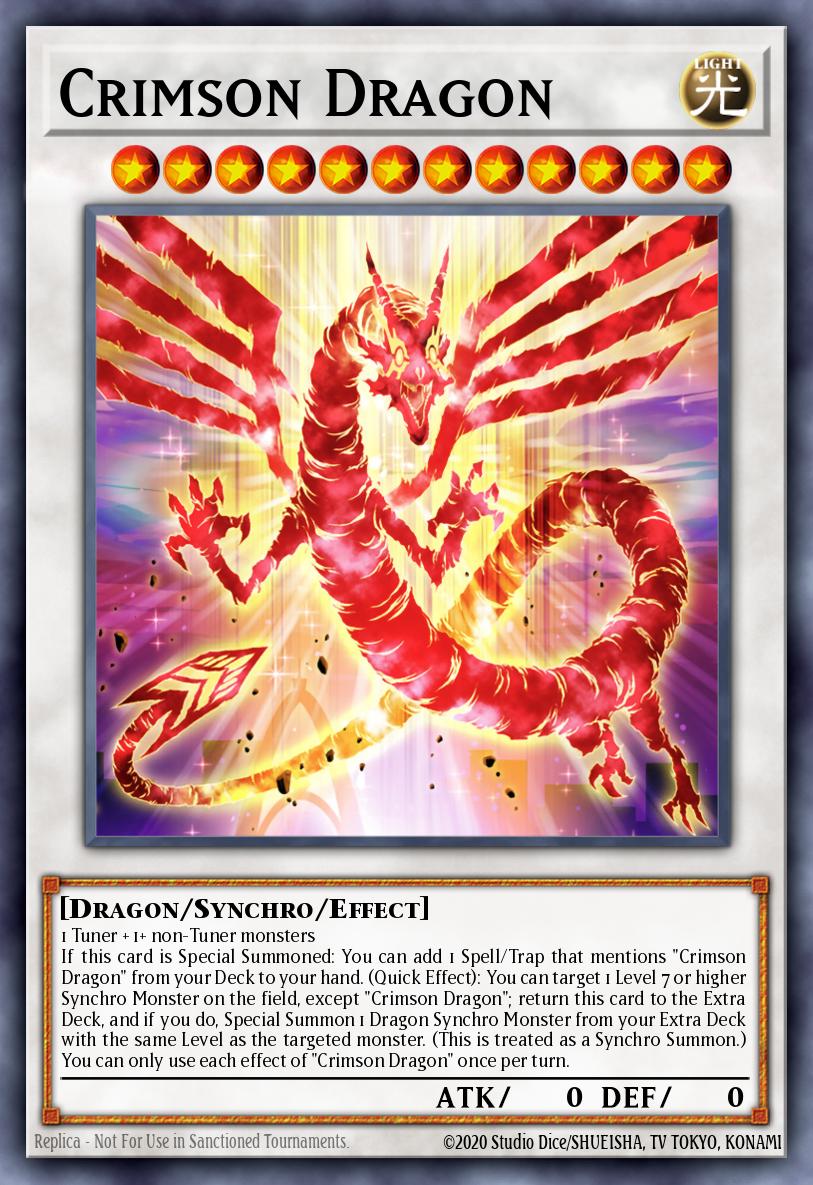


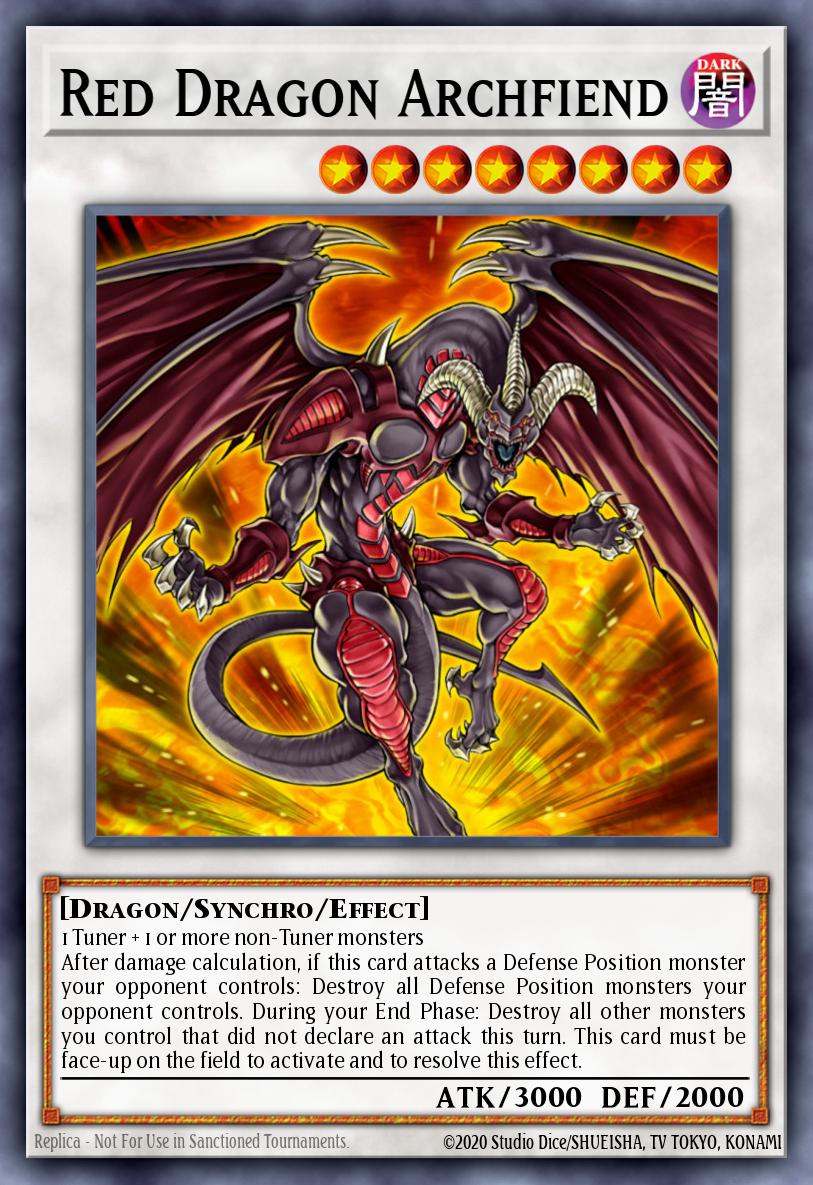
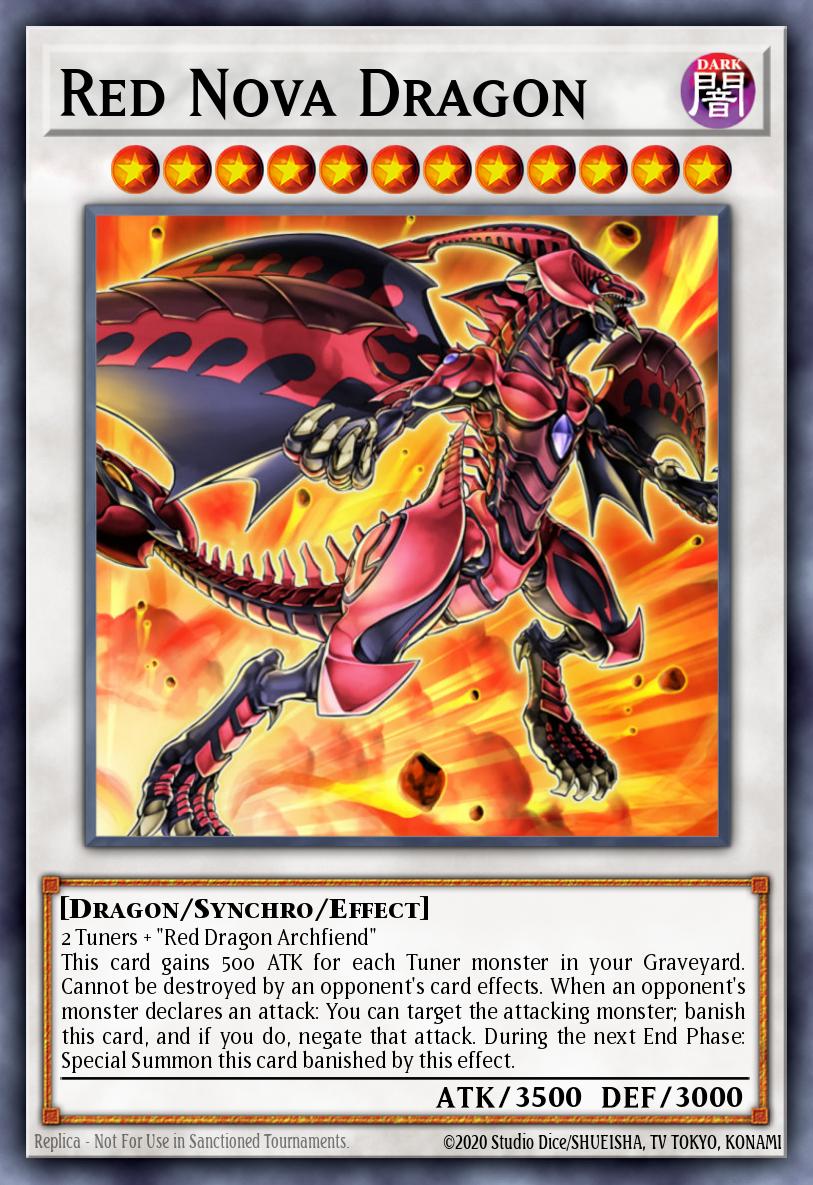

 Invincible Crimson Star
Main Deck (30)
- Bone Archfiend x1
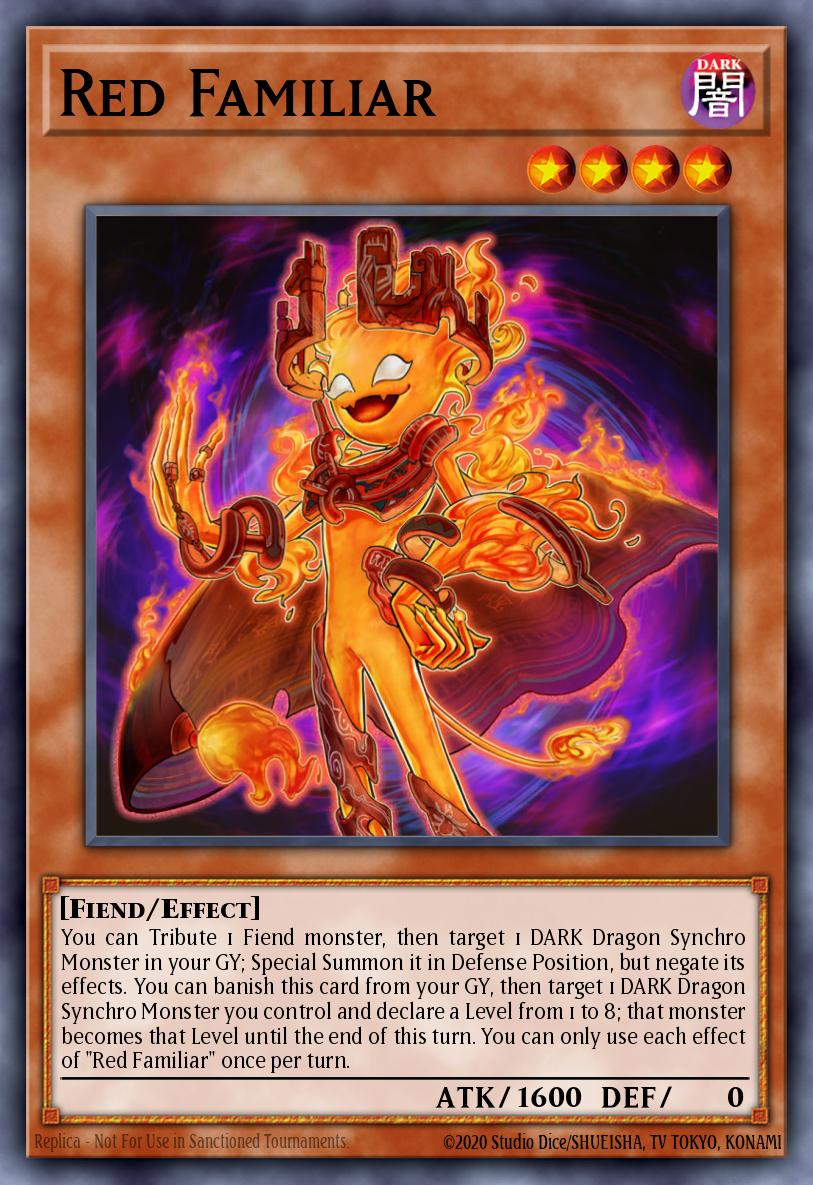
- Red Familiar x2
- Crimson Resonator x2
- Shining Star Dragon x1
- Soul Resonator x3
- Synkron Resonator x1
- Tuning Gum x1
- Vision Resonator x1
- Book of Eclipse x3
- Crimson Gaia x3
- Dark Hole x2
- Hey, Trunade! x2
- Resonator Call x2
- Scarlet Security x1
- Triple Tactics Thrust x3
- Fiendish Golem x1
- Red Reign x1
Extra Deck (9)
Couldn't load the deck
Deck — Deck Power Evaluation
Final Contextual Deck Power: 60/100 (±6 · Confidence: Medium)
| Overall score | Value |
|---|---|
| Structural Deck Power | 65 |
| Going First | 61 |
| Going Second | 64 |
| Meta Power | provisional |
| Tournament Reliability | 58 |
- Primary strategy: Midrange
- Secondary strategies: Combo, Synchro
- Format: duel-links
Legality
Main 30 / Extra 9 / Side 0 — status: Legal.
Identity & game plan
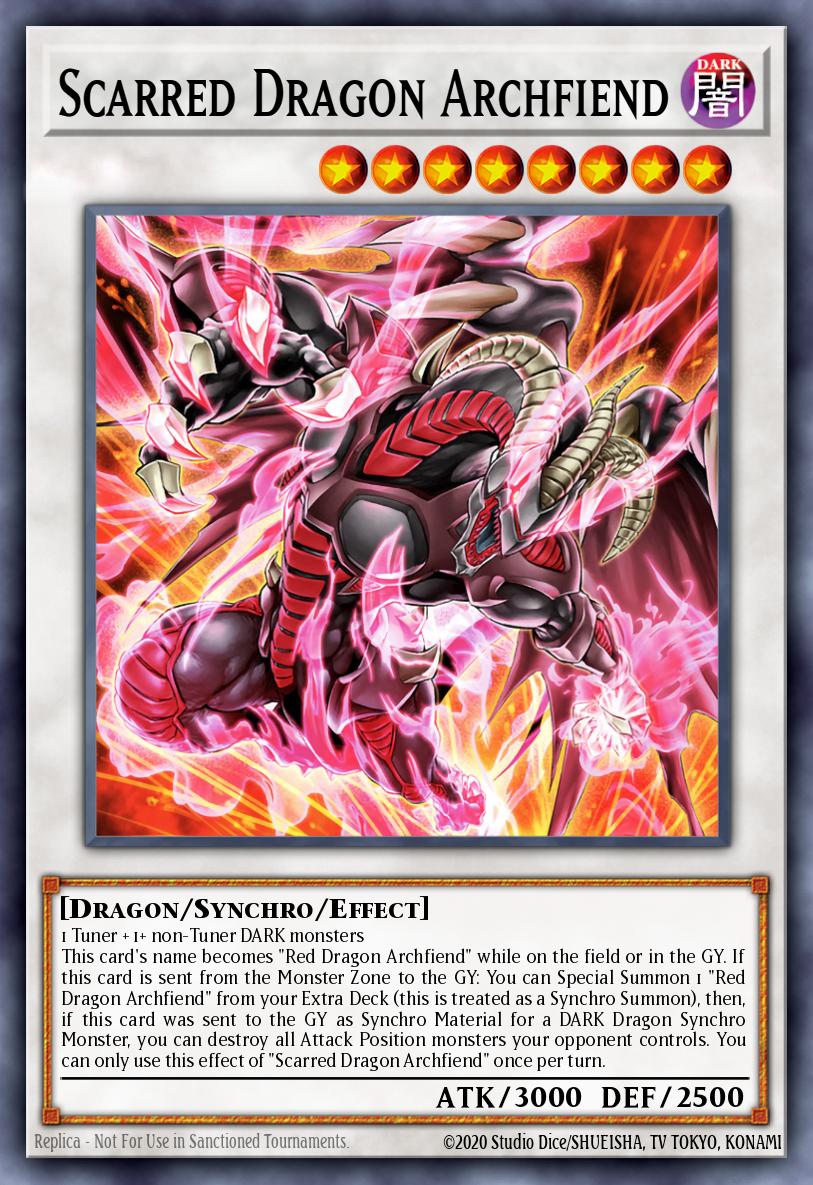
- Win condition: Synchro boss pressure: Red Supernova Dragon (4000 ATK) and Hot Red Dragon Archfiend Bane (3500 ATK); Red Dragon Archfiend and Scarred Dragon Archfiend attacks backed by removal and negation
- Turn 1 (going first): Search a Resonator with Soul Resonator or Crimson Gaia, add a second Resonator with Resonator Call, then Synchro Summon into a boss
- Turn 2 (going second): Dark Hole or Red Reign to clear the board, then negate or Synchro through with a Dragon boss
- Recovery: Rebuild from the Graveyard through Resonator recursion (Synkron Resonator, Red Rising Dragon) and re-Synchro
- After siding: None: the Duel Links format used here has no side deck, so there is no post-side plan
Why it scores here
The deck reliably reaches its Resonator engine: three Soul Resonators, three Crimson Gaia and two Resonator Call, supported by a dense searcher package, put a search or summon in most opening hands, and the archetype core is almost always represented. Its output rests on a Synchro boss suite with 3000 to 4000 ATK finishers and layered negation and removal (Dark Hole, Red Reign, Fiendish Golem, Scarlet Security, Hot Red Dragon Archfiend Abyss), which earns the closing and end-board scores. The main weakness is structural: only 3 non-Tuner monsters sit in the Main Deck against 9 Tuners, so Synchro Summons depend on a small set of non-Tuner bodies and most opening hands will lack one. Archetype popularity and usage were not counted as power, no recorded boards exist so the ceiling is read from card text, and the score comes from the whole system rather than an average of card scores.
Dimension scores
| # | Dimension | Score | Evidence |
|---|---|---|---|
| D1 | Engine Accessibility & Consistency | 68 | P(at least one Soul Resonator in a 5-card opening hand) is about 0.43 with 3 copies; P(at least one archetype-core card) is about 0.99; 14 searcher-text cards (Inferred) |
| D2 | Opening-Hand Quality & Brick Management | 58 | No monster in the opening 5 is about 6%; no non-Tuner monster in the opening 5 is about 57% with only 3 non-Tuners in Main; 16 spells in Main (Inferred) |
| D3 | Combo Conversion & Ceiling | 72 | No recorded boards; ceiling read from card text: Red Supernova Dragon at 4000 ATK and Hot Red Dragon Archfiend Bane at 3500 ATK with Graveyard recursion (Inferred) |
| D4 | Combo Floor & Median Output | 55 | No recorded boards to measure a median; the typical line is likely limited by non-Tuner scarcity in Synchro Summons (Provisional) |
| D5 | Interruption Resilience & Route Redundancy | 70 | Several Resonator recursion routes (Synkron Resonator, Red Rising Dragon) and 14 searcher cards give multiple independent restarts after disruption (Inferred) |
| D6 | Resource Economy, Recovery & Grind | 72 | Graveyard recursion and searches regenerate the engine; Synchro material is the scarce spend, not the card pool (Inferred) |
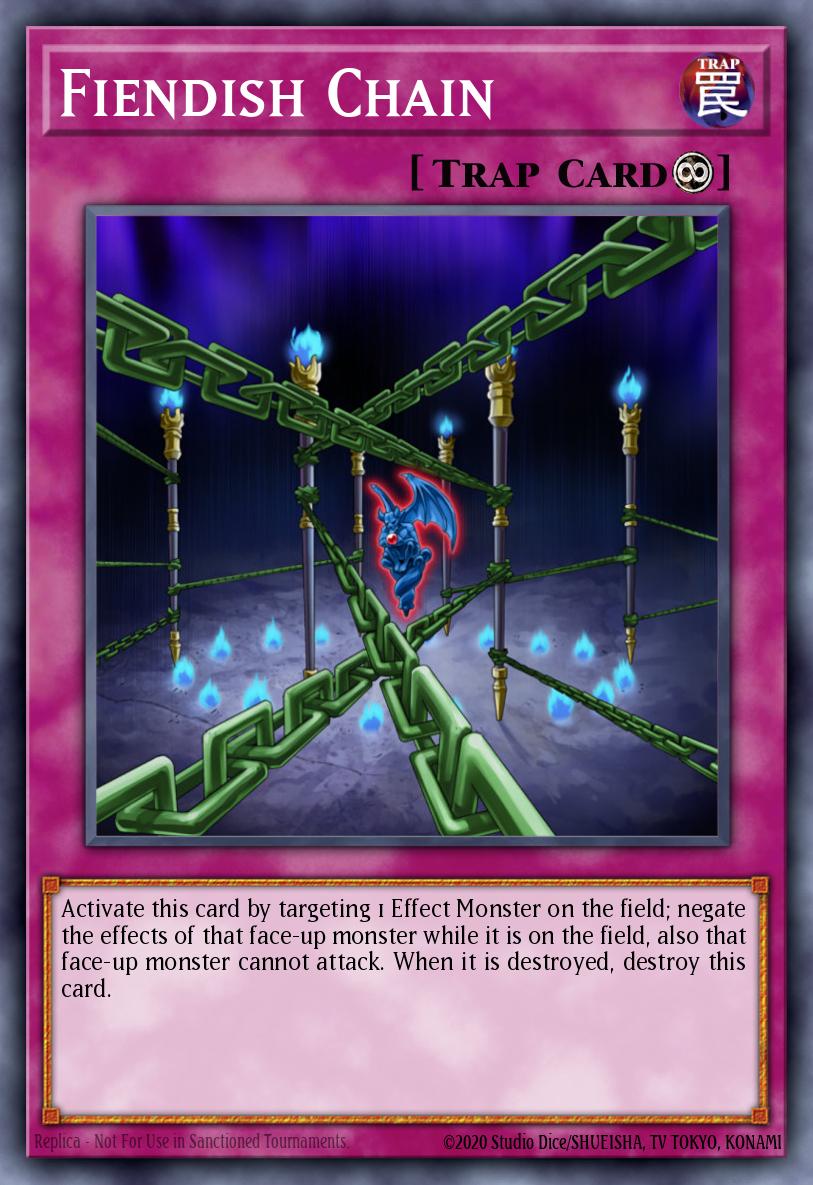
| D7 | End-Board & Interaction Quality | 78 | Dark Hole, Red Reign, Fiendish Golem and Scarlet Security, plus negates from Red Familiar, Tuning Gum, Shining Star Dragon, Hot Red Dragon Archfiend Abyss and Red Nova Dragon (Verified text, Inferred quality) |
| D8 | Going-Second & Board-Breaking Power | 66 | Going-second answers come from Dark Hole, Red Reign and omni-negate Synchros, with no recorded second-player data (Inferred) |
| D9 | Offensive Pressure & Closing Power | 74 | Extra Deck finishers at 3000 to 4000 ATK, including Red Supernova Dragon at 4000 ATK (Verified stats) |
| D10 | Main Deck Efficiency & Flexibility | 62 | 30 Main cards across 17 distinct names (copy histogram 8 singles, 5 doubles, 4 triples); 12 monsters and 16 spells, compact but spell-heavy (Verified composition) |
| D11 | Extra Deck Efficiency & Coverage | 72 | 9 Synchro Extra Deck cards fill the slots with a range of boss options; Crimson Dragon and Tuning Gum are Limited at one copy each (Verified) |
| D12 | Side Deck Adaptability | 35 | The Duel Links list has zero side cards, so no post-side adaptation is possible; scored on that gap (Provisional) |
| D13 | Matchup Coverage & Format Fit | 50 | No tournament link or archetype meta-share in the export; format fit is left neutral (Provisional) |
| D14 | Pilotability & Error Tolerance | 55 | Multi-step Synchro lines with Tuner and non-Tuner requirements and once-per-turn Resonator limits give a moderate decision load (Inferred) |
How the score was computed
Strategy profile: Midrange. Structural ≈ 65, Going First ≈ 61, Going Second ≈ 64, Meta = provisional, Tournament Reliability ≈ 58. Modifiers: Non-Tuner scarcity (-3); No side deck (-1). Final formula: 0.80*Structural + 0.20*TournamentReliability (Meta provisional; D13 dropped and weights renormalised for the meta-neutral structural score), plus context modifiers
Probability & combo summary
- Opening a starter: P(≥1) ≈ 0.43 · key two-card combo ≈ — · full-brick estimate ≈ 0.06 (all Inferred)
- Combo output: best PowerIndex —, median —, board-per-starter —
- Turn order: 0 going-first lines vs 0 going-second lines
Strengths
- Legal list; all Limited and Semi-Limited cards are at or under their legal copies
- Dense searcher package (14 searcher-text cards) that keeps the engine accessible
- Synchro finishers at 3000 to 4000 ATK backed by negation and removal
- Nine Synchro Extra Deck options give broad boss coverage
Weaknesses
- Only 3 non-Tuner monsters in Main against 9 Tuners
- 12 monsters against 16 spells in Main, which raises the chance of spell-heavy hands
- No side deck, so no adaptation to the matchup
Critical choke points
- A non-Tuner monster for each Synchro Summon: only 3 in Main, and most opening hands contain none
- Board clearing and negation rely on a few single-copy cards
Recommended changes
| Priority | Remove | Add | Reason |
|---|---|---|---|
| 1 | One 1-copy spell or trap that neither searches nor interacts | A non-Tuner monster that fits the Resonator Synchro lines | Raises non-Tuner availability in opening hands, the main structural risk (Inferred) |
Evidence & confidence
- Verified: Legal list with copy limits and banlist statuses checked; Extra Deck names and stats; Composition counts: 12 monsters, 9 Tuners, 3 non-Tuners, 16 spells, 2 traps
- Inferred: Draw probabilities for starters, bricks and non-Tuner access; Consistency, interaction and boss-ceiling reads from card text; Going-first and going-second estimates
- Provisional: Meta and format fit; Post-side plan (no side deck); Median output (no recorded boards)
- Data gaps: No recorded boards, so the ceiling and median are read from card text No tournament or meta-share data, so format fit is provisional No side deck, so post-side performance cannot be assessed Usage-statistics matching marks several Extra Deck cards that the list does contain as absent; those core-coverage figures were not used Deck has no title
Couldn't load the combos
