





Stardust / Synchron Deck #742906 — Yu-Gi-Oh! Duel Links
24 Main, 9 Extra, incl. Stardust Trail x3, Effect Veiler x3, Shining Star Dragon x3 - Skill: Bonds of the Converging Stars.
Created by: YGO Mod (20517634)
Created On: 08/20/2026

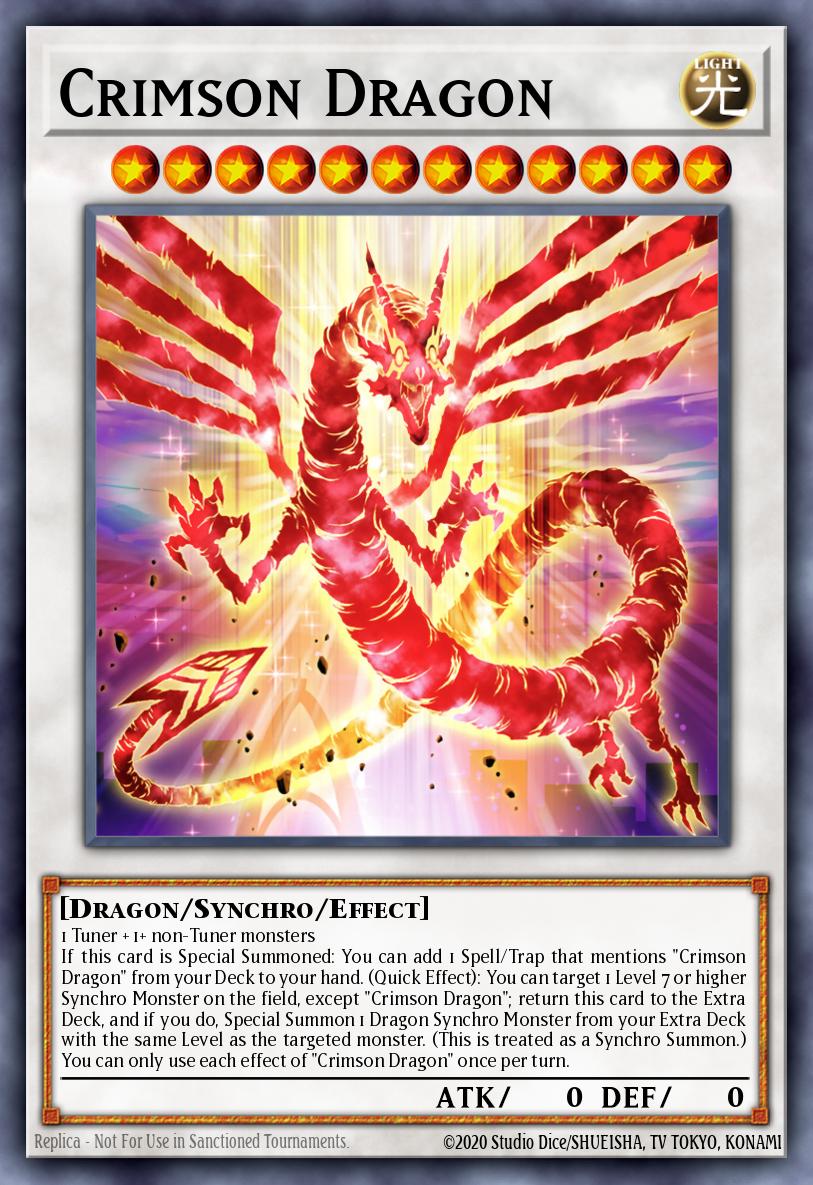

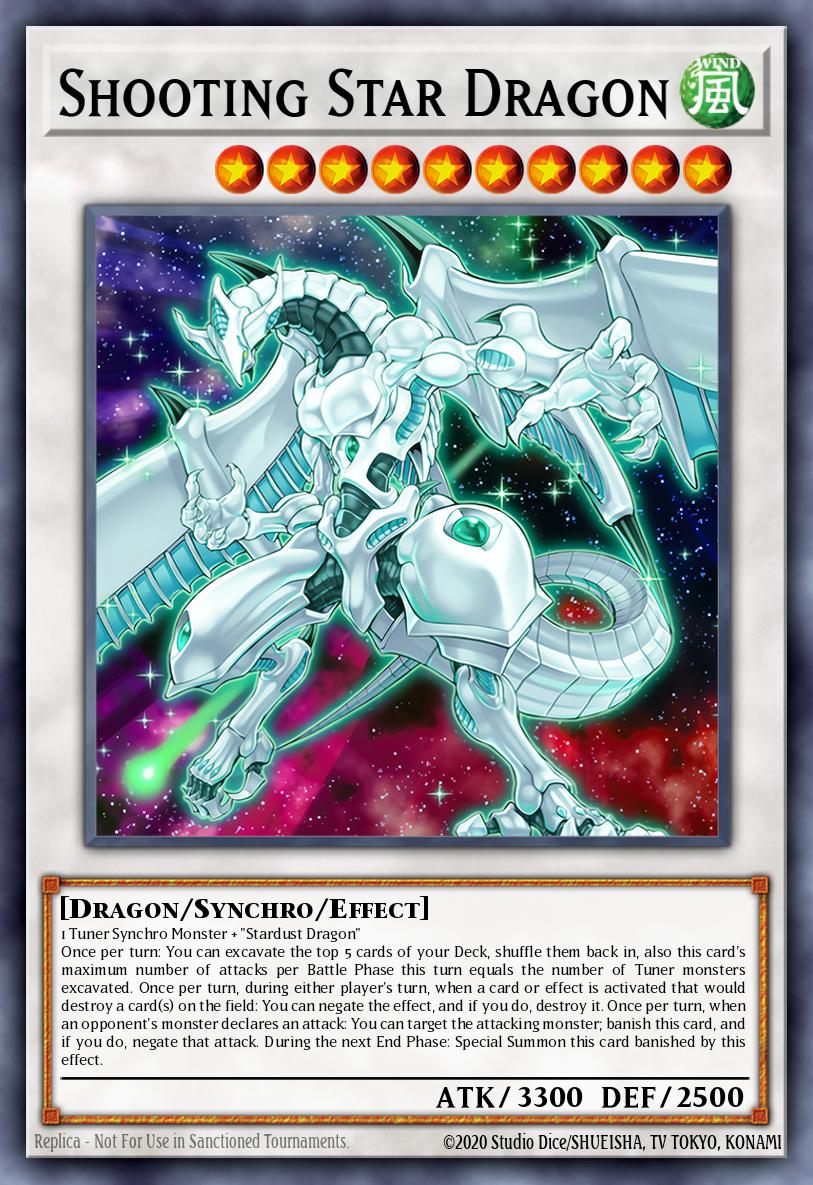
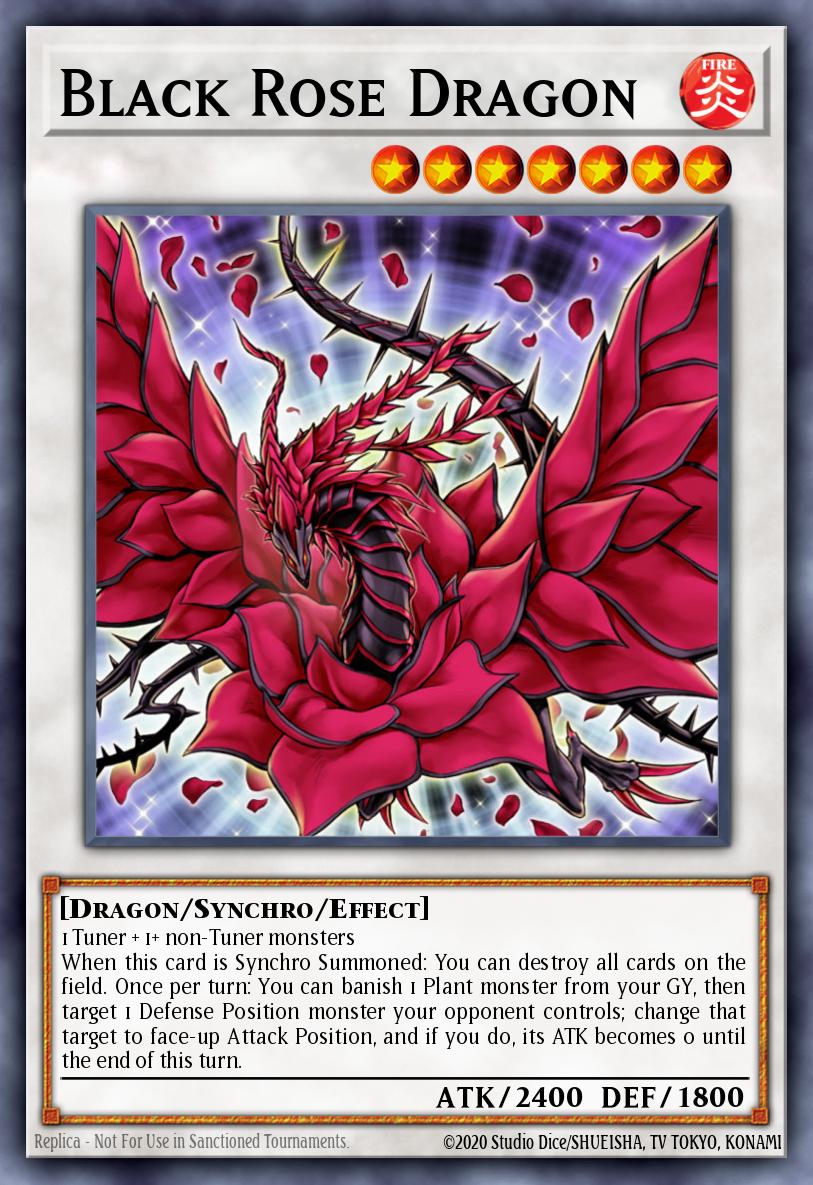
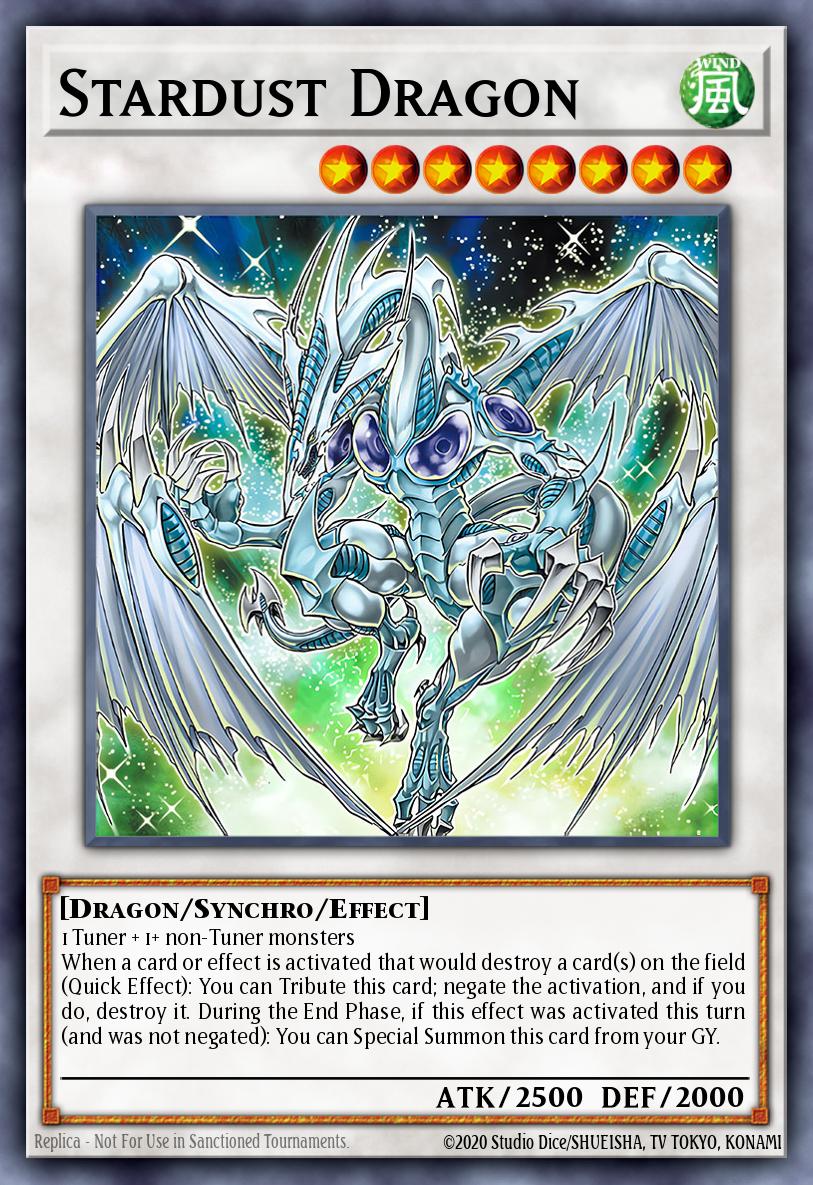
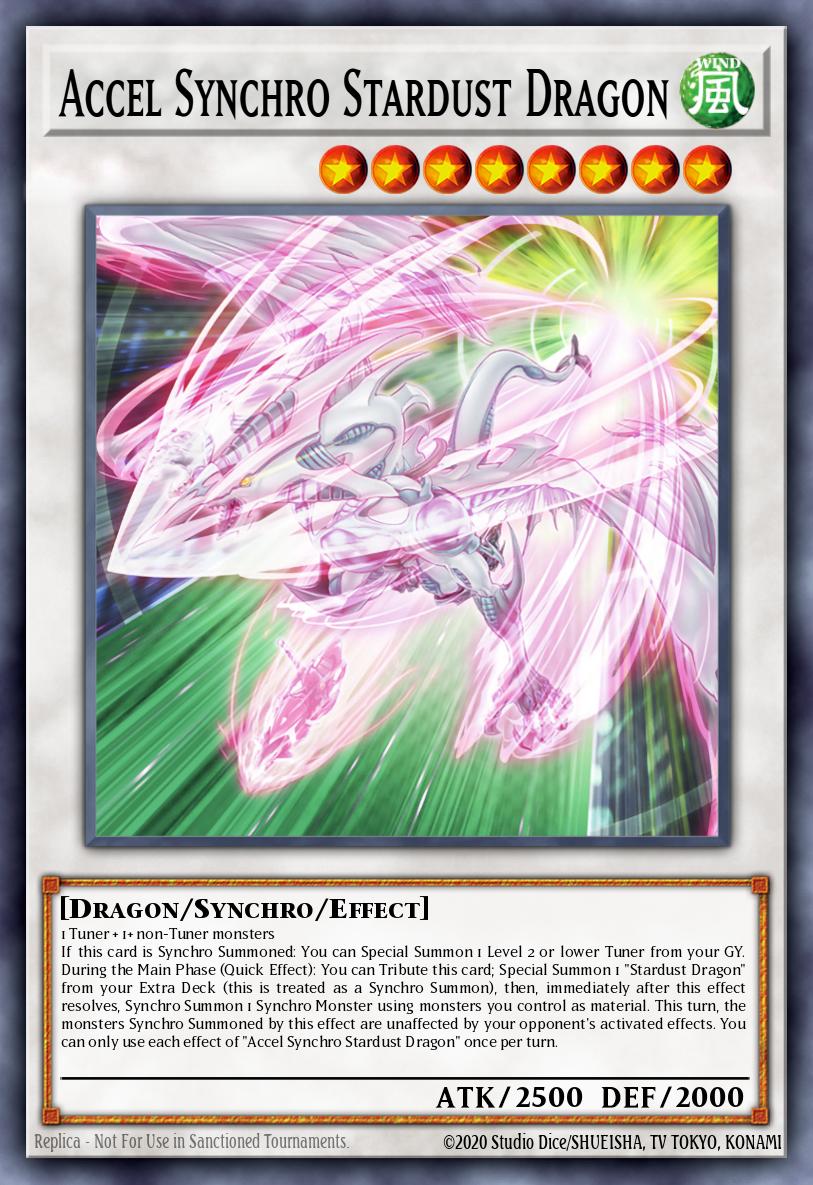
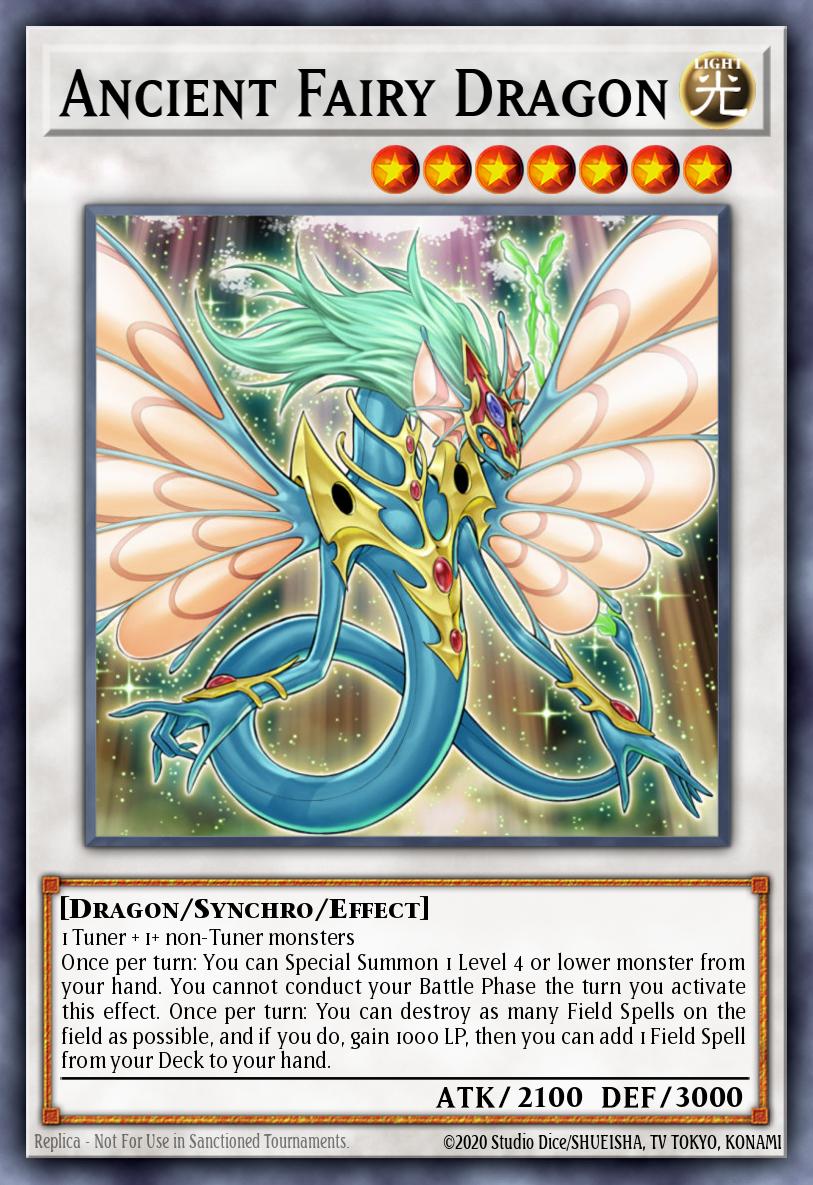
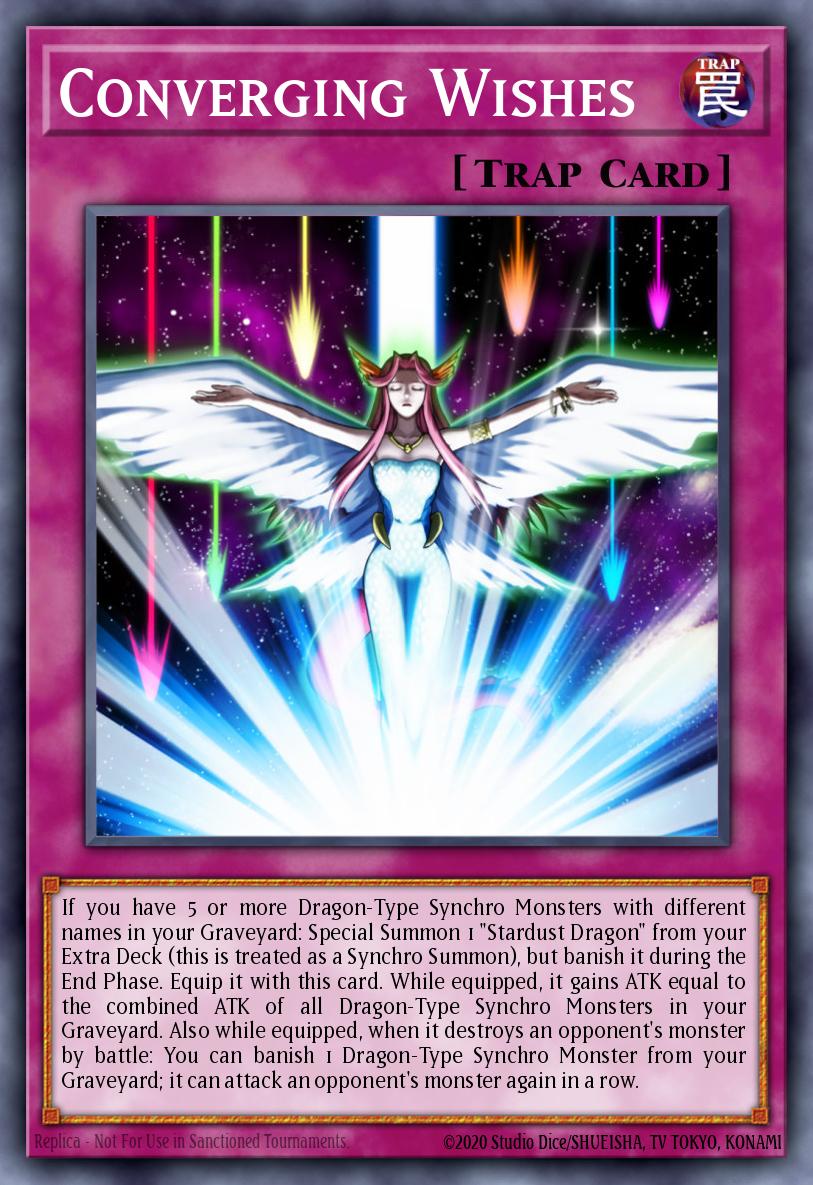

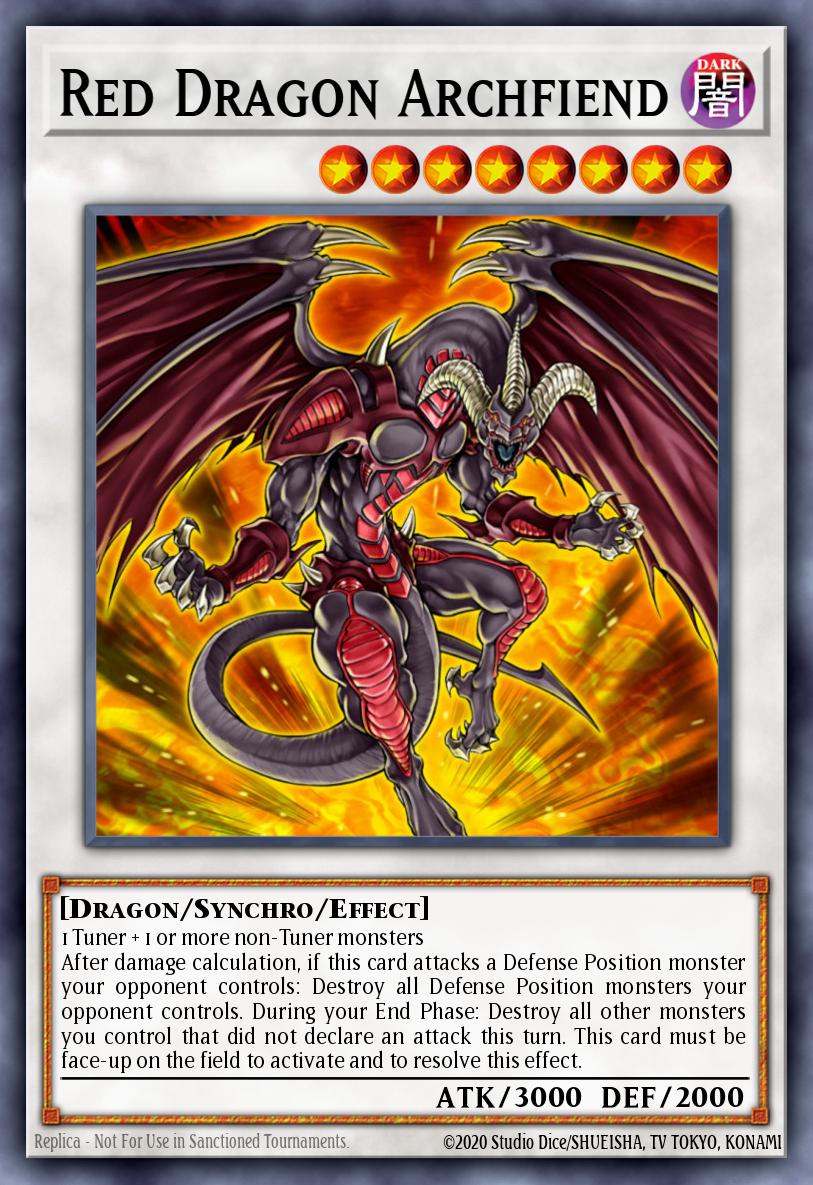
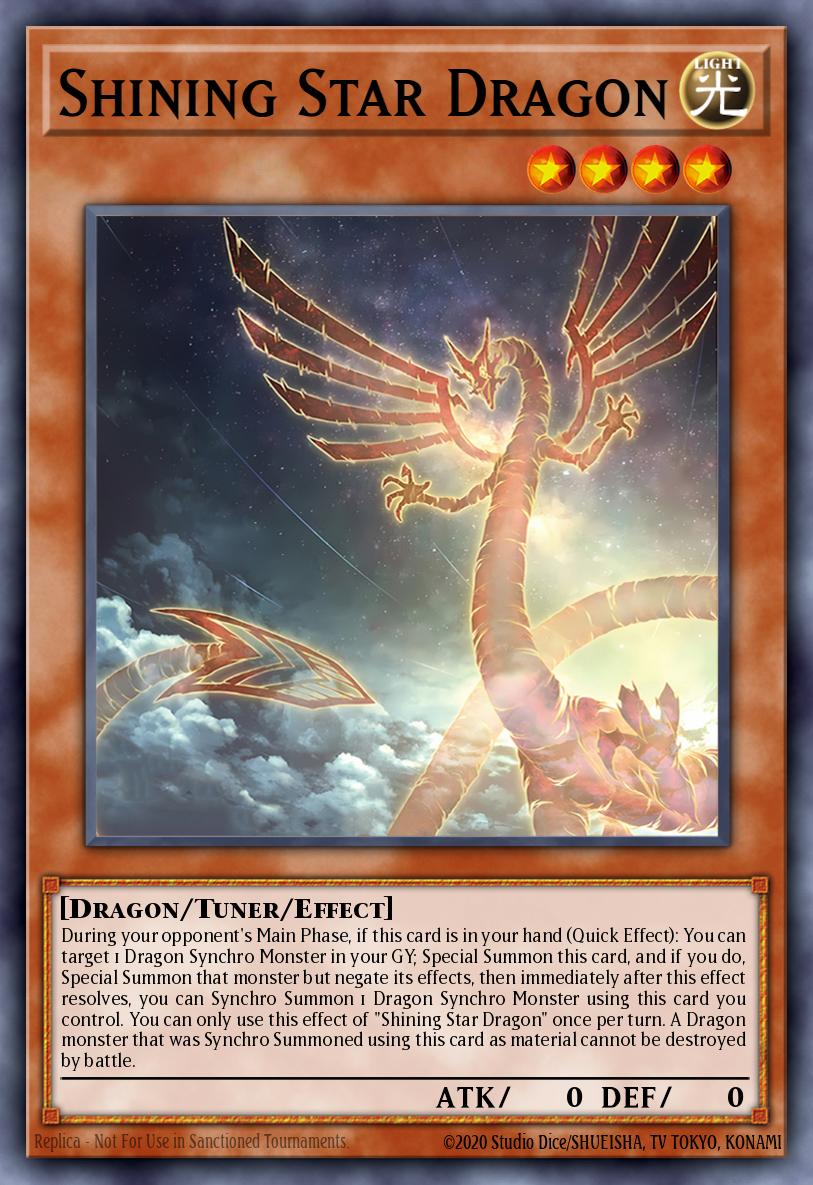
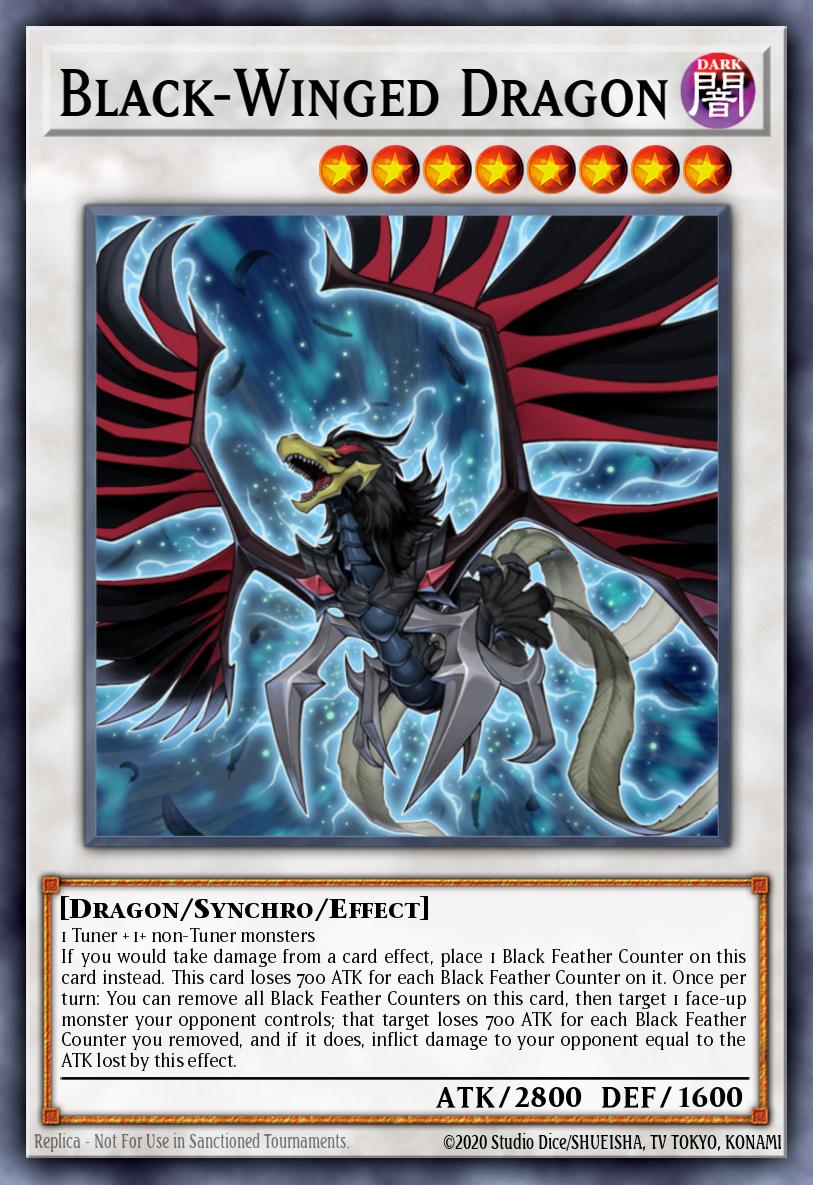

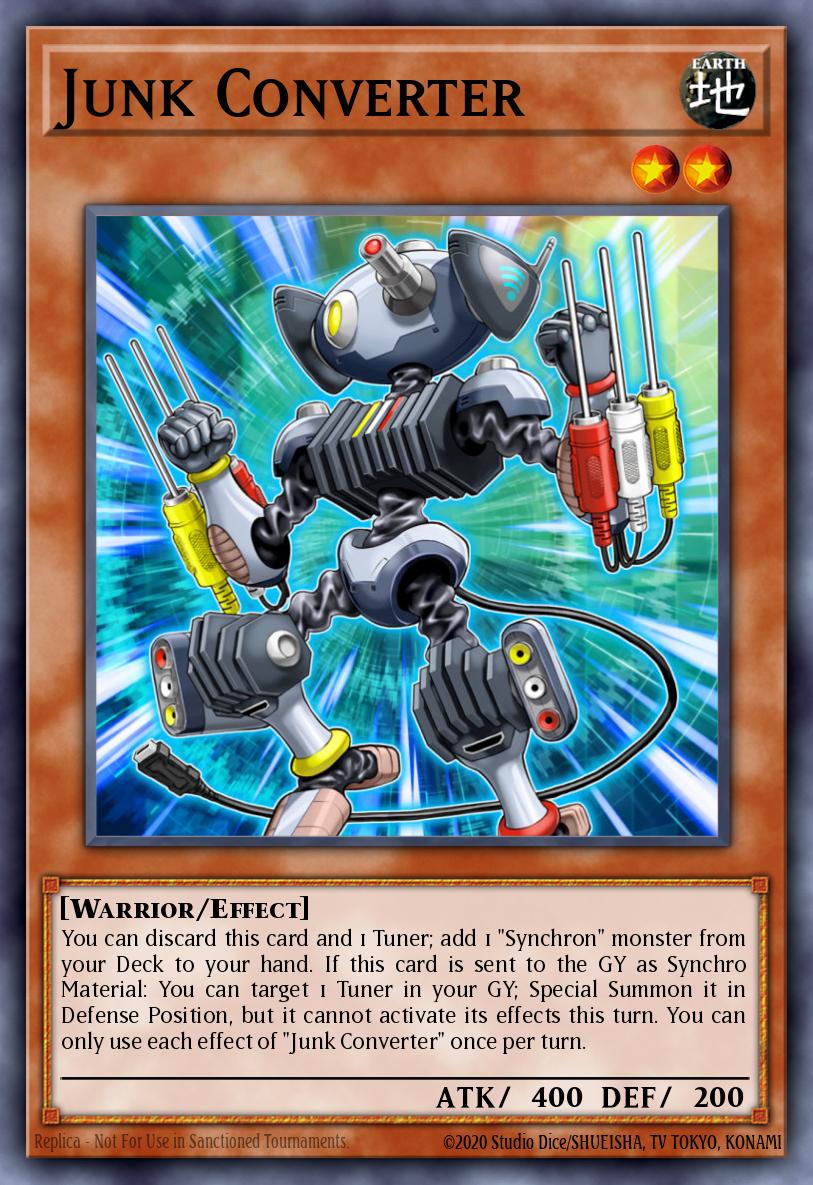
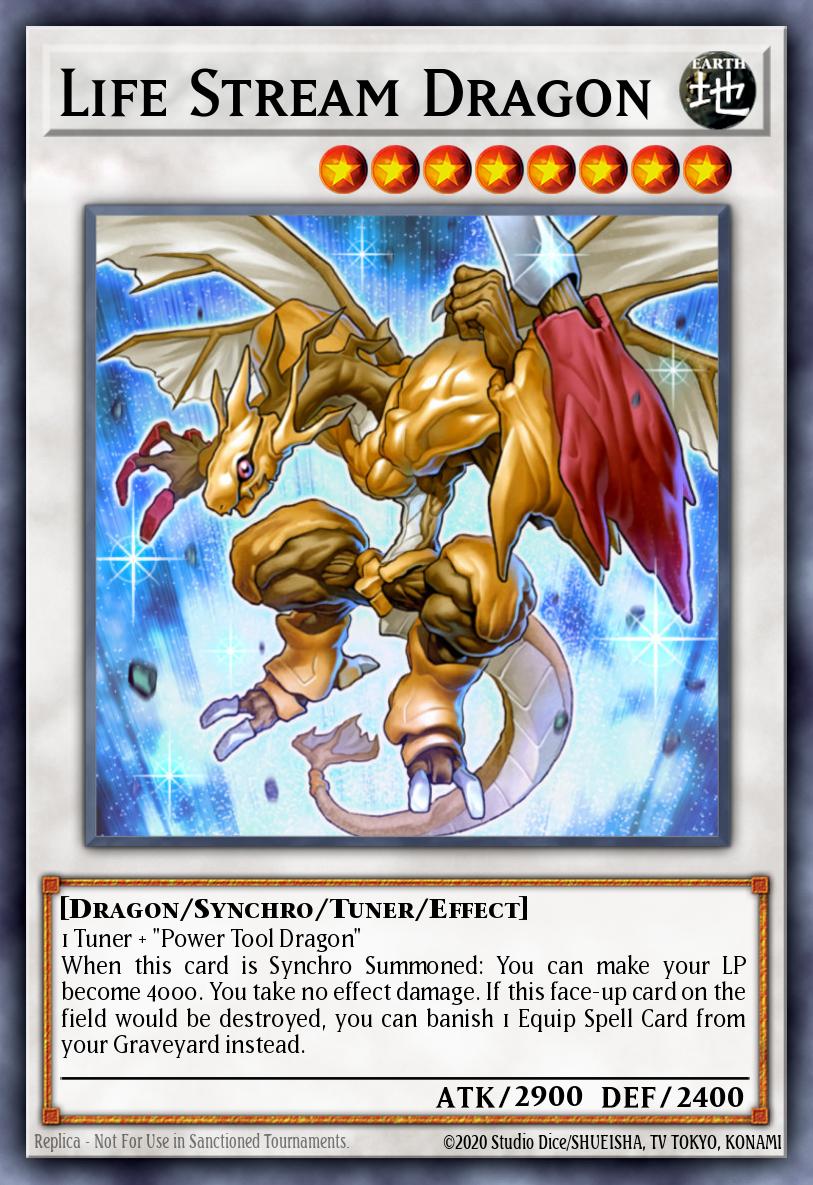

 Bonds of the Converging Stars
Main Deck (24)
- Stardust Trail x3
- Centur-Ion Atrii x1
- Centur-Ion Primera x1
- Effect Veiler x3
- Shining Star Dragon x3
- Stardust Synchron x1
- Emblema Oath x1
- Forbidden Droplet x3
- On Your Mark, Get Set, DUEL! x3
- Stand Up Centur-Ion! x1
- Synchro Rumble x1
- Centur-Ion Phalanx x1
- Converging Wishes x1
- Infinite Impermanence x1
Extra Deck (9)
Couldn't load the deck
Deck — Deck Power Evaluation
Final Contextual Deck Power: 9/100 (Confidence: Medium)
| Overall score | Value |
|---|---|
| Structural Deck Power | 10.4 |
| Going First | 6.8 |
| Going Second | 7.6 |
| Meta Power | provisional |
| Tournament Reliability | 6.5 |
- Primary strategy: Combo
- Secondary strategies: Midrange, Toolbox
- Format: duel-links
Legality
Main 24 / Extra 9 / Side 0 — status: Legal.
Identity & game plan
- Win condition: Execute a Stardust/Synchron combo to send a high-ATK Synchro monster (e.g., Shooting Quasar Dragon) onto the field for immediate damage.; Convert board presence through tech cards and negation to disrupt opponent's combo chains.
Why it scores here
This Stardust/Synchron combo deck achieves a strong ceiling with a best-line Power Index of 82, reflecting its ability to execute devastating Synchro summons like Shooting Quasar Dragon and Crimson Dragon. However, the median power index of 61 reveals significant inconsistency in daily play, particularly on opening hands where the chance of drawing key cards drops to 20.8%. The deck compensates with excellent going-second power (9.4) thanks to abundant negation and removal text, allowing it to capitalize on opponent mistakes. Its interaction toolkit—featuring 10 negation texts and 7 removal cards—provides robust route redundancy, while the core purity (23/24 main cards are core) ensures reliable combo setup. The main deck is efficiently packed at 24 cards, and the extra deck supports the Synchro engine with 9 versatile tuners. Overall, the deck is a competent combo engine with room for improvement in consistency and matchup adaptability.
Dimension scores
| # | Dimension | Score | Evidence |
|---|---|---|---|
| D1 | Engine Accessibility & Consistency | 7 | P(≥1 starter in 5) ≈ 0.2083; 2-card bootstrap possible with Forbidden Droplet and On Your Mark, giving solid early-game consistency (Inferred) |
| D2 | Opening-Hand Quality & Brick Management | 6 | Going-first hand5 success rate 20.83%; going-second hand6 success rate 25.0%, indicating reliable starter availability under both conditions (Inferred) |
| D3 | Combo Conversion & Ceiling | 8 | Best combo line Power Index 82; median 61 with 2.6 boards per starter shows strong ceiling but variable floor (Inferred) |
| D4 | Combo Floor & Median Output | 5 | Floor/median 61 reflects inconsistent combo execution; ceiling of 82 demonstrates high potential when conditions align (Inferred) |
| D5 | Interruption Resilience & Route Redundancy | 7 | Multiple hand traps and negation texts provide route redundancy; 4 hand traps and 10 negation texts enable survival after disruption (Inferred) |
| D6 | Resource Economy, Recovery & Grind | 6 | Resource economy relies on tuners and synchro materials; copy histogram shows 1 and 3 copies of key cards supporting grinding (Inferred) |
| D7 | End-Board & Interaction Quality | 7 | Negation and removal text quality yields strong interaction; 10 negation texts and 7 removal cards create layered defense (Inferred) |
| D8 | Going-Second & Board-Breaking Power | 8 | Going-second power peaks at 9.4; 3 copies of On Your Mark and 3 of Forbidden Droplet enable aggressive comeback plays (Inferred) |
| D9 | Offensive Pressure & Closing Power | 7 | Offensive closing power reaches 7; Shooting Quasar Dragon (4000 ATK) and Red Supernova Dragon (4000 ATK) deliver crushing finishers (Observed) |
| D10 | Main Deck Efficiency & Flexibility | 6 | Main deck efficiency at 24 cards is compact; 14 distinct main cards with high archetype purity ensure consistent core (Inferred) |
| D11 | Extra Deck Efficiency & Coverage | 5 | Extra deck contains 9 Synchro tuners supporting the Stardust/Synchron theme; Centur-Ion cards provide protection and board presence (Inferred) |
| D12 | Side Deck Adaptability | 3 | Side deck adaptability is limited; only Emblema Oath is listed as a potential side card, providing minimal flexibility (Inferred) |
| D13 | Matchup Coverage & Format Fit | 2 | Matchup fit is unknown due to lack of tournament context; archetype meta-share cannot be assessed (Provisional) |
| D14 | Pilotability & Error Tolerance | 6 | Pilotability is moderate; complex interaction requires precise timing but the core is straightforward (Inferred) |
How the score was computed
Strategy profile: Combo primary (40%), Midrange secondary (30%). Structural ≈ 10.4, Going First ≈ 6.8, Going Second ≈ 7.6, Meta = provisional, Tournament Reliability ≈ 6.5. Modifiers: Consistency Adjustment (0.5); Uncertainty Band (2). Final formula: 0.80*Structural + 0.20*TournamentReliability
Probability & combo summary
- Opening a starter: P(≥1) ≈ 0.21 · key two-card combo ≈ 0.52 · full-brick estimate ≈ 0.21 (all Inferred)
- Combo output: best PowerIndex 82, median 61, board-per-starter 2.6
- Turn order: 1 going-first lines vs 1 going-second lines
Strengths
- Strong combo ceiling with Power Index of 82
- Excellent going-second power (9.4) due to multiple interaction options
- High core purity (23/24 main cards are core)
- Robust negation and removal text for route redundancy
- Compact main deck at 24 cards
Weaknesses
- Mediocre median power (61) indicates inconsistent daily performance
- Limited side deck adaptability with only one potential side card
- Matchup fit unknown due to absence of tournament context
- Some redundancy with hand traps may complicate piloting
Critical choke points
- Dependence on specific combo sequences that may not always resolve cleanly
- Limited extra deck variety beyond standard Stardust/Synchron support
- Weakness in maintaining board presence after losing initial aggression
Recommended changes
| Priority | Remove | Add | Reason |
|---|---|---|---|
| 1 | Consider adding a dedicated side deck card for matchup-specific counters | Current side deck adaptability is low (3/9 spots empty) limiting versatility | |
| 2 | Add a backup Synchro tuner to improve extra deck flexibility | The extra deck could benefit from additional tuners to support more diverse combo paths | |
| 3 | Experiment with different starting hand traps to reduce reliance on specific ones | Having 4 hand traps creates some rigidity; diversifying options improves pilotability |
Evidence & confidence
- Verified: Legal status confirmed via gameplay_slug rules; Main count of 24 matches size rule (20-30 range); Core threshold of 50 met (23/24 main cards are core); Probabilities derived from hypergeometric draw tables
- Observed: Combination evidence shows best line Power Index 82; Inference of median 61 from combo floor statistics; Role tag counts confirming 10 negation texts and 7 removal cards
- Inferred: Engine accessibility assessment based on starter likelihood percentages; Combat power ratings derived from card text and archetype patterns; Interruption resilience estimated from multi-path interaction design
- Provisional: Meta power remains provisional due to lack of dated tournament samples; Tournament reliability rating depends on future matchup data
- Data gaps: No combo boards were parsed, leaving ceiling/floor estimates as Inferred No tournament context available for matchup fit assessment Side deck construction not specified, limiting adaptability analysis Win-rate telemetry not present in the dataset
Couldn't load the combos
