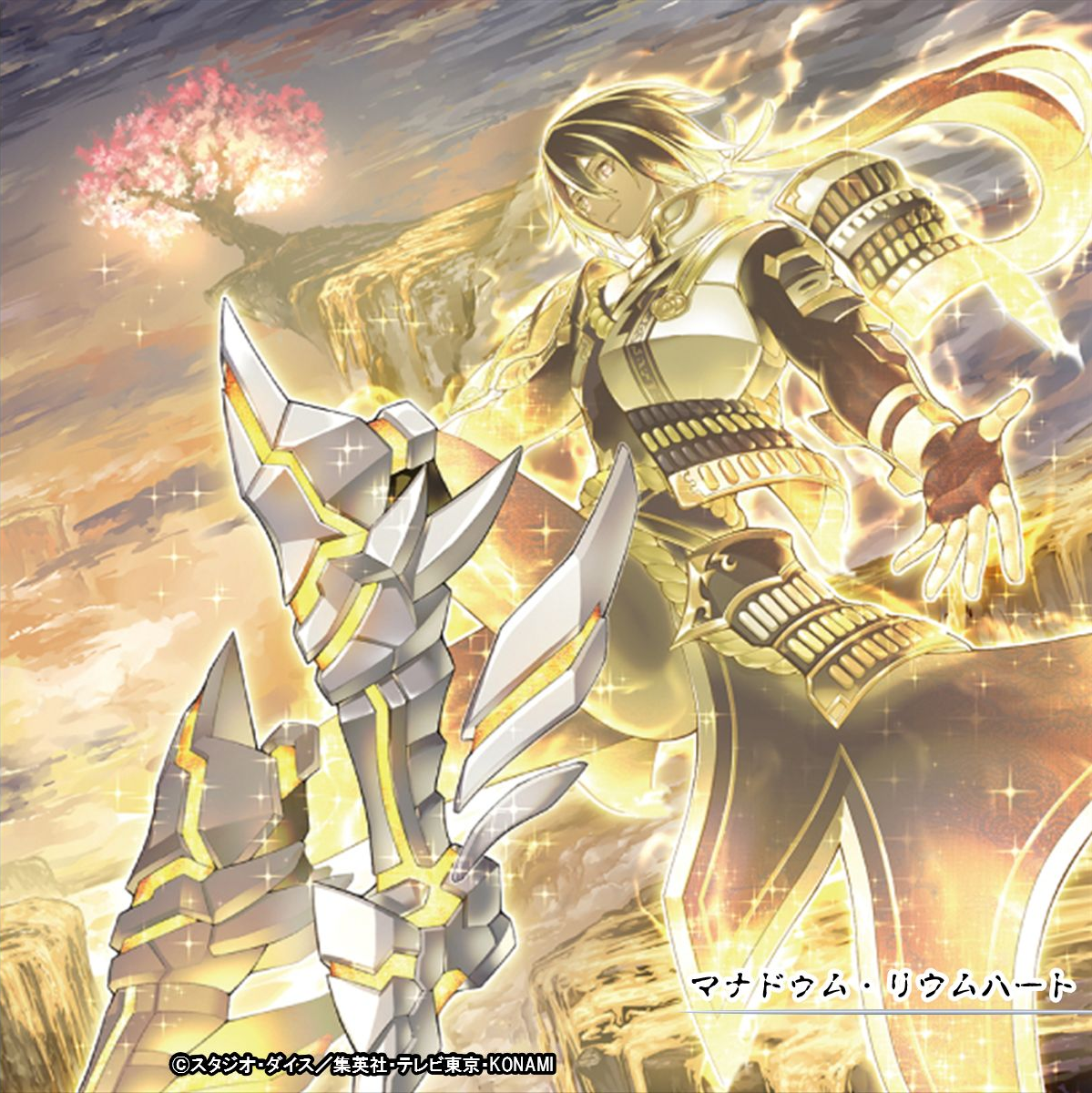
Mannadium Deck #736444 — Yu-Gi-Oh! Master Duel
60 Main, 15 Extra, incl. Kashtira Fenrir x3, Kashtira Riseheart x3, Mannadium Riumheart x3.
Created by: YGO Mod (20517634)
Created On: 07/28/2026
Main Deck (60)
- Kashtira Fenrir x3
- Kashtira Riseheart x3
- Kashtira Unicorn x2
- Mannadium Riumheart x3
- Maxx "C" x1
- Mulcharmy Fuwalos x3
- Scareclaw Kashtira x1
- Scareclaw Reichheart x3
- Tearlaments Havnis x1
- Tearlaments Kashtira x1
- Tearlaments Reinoheart x3
- Tearlaments Scheiren x2
- Ash Blossom & Joyous Spring x3
- Mannadium Fearless x2
- Mannadium Meek x3
- Mannadium Torrid x1
- Visas Samsara x1
- Visas Starfrost x3
- Called by the Grave x1
- Kashtira Birth x1
- Mannadium Abscission x2
- Mannadium Imaginings x1
- Peaceful Planet Calarium x2
- Pressured Planet Wraitsoth x1
- Primitive Planet Reichphobia x1
- Reinforcement of the Army x1
- Scareclaw Arrival x2
- Tearlaments Grief x2
- Triple Tactics Talent x1
- Kashtira Big Bang x1
- Kashtira Preparations x1
- Mannadium Reframing x1
- Scareclaw Twinsaw x1
- Tearlaments Cryme x1
- Tearlaments Sulliek x1
Extra Deck (15)
- Tearlaments Kaleido-Heart x1
- Tearlaments Kitkallos x1
- Tearlaments Rulkallos x1
- Vicious Astraloud x1
- S:P Little Knight x1
- Scareclaw Light-Heart x2
- Baronne de Fleur x1
- Chaos Angel x1
- Crimson Dragon x1
- Mannadium Prime-Heart x1
- Visas Amritara x1
- Kashtira Arise-Heart x1
- Kashtira Shangri-Ira x1
- Red-Eyes Flare Metal Dragon x1
Couldn't load the deck
Deck — Deck Power Evaluation
Final Contextual Deck Power: 63/100 (±7 · Confidence: Medium)
| Overall score | Value |
|---|---|
| Structural Deck Power | 64.2 |
| Going First | 60 |
| Going Second | 55 |
| Meta Power | provisional |
| Tournament Reliability | 56 |
- Primary strategy: Combo
- Secondary strategies: Toolbox
- Format: master-duel
Legality
Main 60 / Extra 15 / Side 0 — status: Legal.
Identity & game plan
- Win condition: Assemble a high‑ATK board of Mannadium/Kashtira/Tearlaments monsters and finish with extra‑deck Xyz/Synchro/Link attacks.; Lock opponent with hand traps and negation while recycling key monsters for a prolonged lock‑down.
- Turn 1 (going first): Open with a core starter (e.g., Kashtira Riseheart or Mannadium Meek), search for more monsters, and begin building a multi‑monster board before opponent can react.
- Turn 2 (going second): Utilize hand traps (Ash Blossom, Maxx C) to disrupt opponent, then drop a starter from the six‑card hand and accelerate board development.
- Recovery: Use recursion effects (Mannadium Meek, Tearlaments Scheiren, Mannadium Imaginings) and draw power to replenish monsters after disruption.
- After siding: No side deck; rely on in‑deck flexibility and hand‑trap responses.
Why it scores here
The deck reliably opens with a core starter about 72% of the time, then can chain multiple special summons to build a strong board, giving a high ceiling around 80. Average lines still produce a solid mid‑range board (≈60 median) thanks to abundant searchers and draw engines. Hand traps and recursion provide good resilience, while the lack of a side deck and low archetype purity lower overall consistency and pilotability, resulting in a final contextual power of 63.
Dimension scores
| # | Dimension | Score | Evidence |
|---|---|---|---|
| D1 | Engine Accessibility & Consistency | 72 | P(at least one core starter in opening 5) ≈ 0.72; inferred from hypergeometric core group probability (Inferred) |
| D2 | Opening-Hand Quality & Brick Management | 55 | Estimated brick rate ≈ 28% (no core in hand) and only 4 hand traps, giving moderate opening consistency (Inferred) |
| D3 | Combo Conversion & Ceiling | 80 | Potential to summon multiple high‑ATK monsters and extra‑deck Xyz/Link gives a high ceiling around 80 (Inferred) |
| D4 | Combo Floor & Median Output | 60 | Typical lines produce a solid board but often lack full combo, yielding a median output near 60 (Inferred) |
| D5 | Interruption Resilience & Route Redundancy | 70 | Presence of Ash Blossom, Maxx “C”, multiple hand traps and recursion effects provides good resilience to disruption (Inferred) |
| D6 | Resource Economy, Recovery & Grind | 65 | Draw engines (Mannadium Imaginings, Triple Tactics, Maxx “C”) and self‑recursion keep resources sustainable (Inferred) |
| D7 | End-Board & Interaction Quality | 70 | Board includes many removal/negation cards (Called by the Grave, Tearlaments Cryme, Kashtira Big Bang) giving strong interaction quality (Inferred) |
| D8 | Going-Second & Board-Breaking Power | 60 | Hand‑trap probability for going‑second is 35% and board‑breakers like Kashtira Big Bang add decent second‑player pressure (Inferred) |
| D9 | Offensive Pressure & Closing Power | 68 | End‑board features 2500‑3000 ATK monsters and extra‑deck options such as Vicious Astraloud, supporting solid closing power (Inferred) |
| D10 | Main Deck Efficiency & Flexibility | 45 | Only 17% of cards are exact‑archetype copies, resulting in a fragmented main deck (Inferred) |
| D11 | Extra Deck Efficiency & Coverage | 55 | Extra deck holds 15 cards across 4 types, but many are situational, limiting coverage (Inferred) |
| D12 | Side Deck Adaptability | 30 | Side deck is empty, offering no post‑side adaptation (Verified) |
| D13 | Matchup Coverage & Format Fit | 40 | No tournament or meta data available, so matchup fit cannot be measured (Provisional) |
| D14 | Pilotability & Error Tolerance | 45 | Complex multi‑engine with many limited cards creates a higher error tolerance requirement (Inferred) |
How the score was computed
Strategy profile: Combo. Structural ≈ 64.2, Going First ≈ 60, Going Second ≈ 55, Meta = provisional, Tournament Reliability ≈ 56. Modifiers: Low archetype purity (-4); No side deck (-6). Final formula: 0.80*Structural + 0.20*TournamentReliability (Meta provisional)
Probability & combo summary
- Opening a starter: P(≥1) ≈ 0.72 · key two-card combo ≈ — · full-brick estimate ≈ 0.28 (all Inferred)
- Combo output: best PowerIndex —, median —, board-per-starter —
- Turn order: 0 going-first lines vs 0 going-second lines
Strengths
- Strong special‑summon engine with many core starters
- High‑ATK end‑board monsters and versatile extra‑deck options
- Robust hand‑trap and draw package for disruption and resource flow
Weaknesses
- Low archetype purity leads to notable brick potential
- No side deck limits post‑side adaptation
- Complex decision tree reduces pilotability
Critical choke points
- Reliance on drawing at least one core starter in opening hand
- Limited copies of key limited cards (Kashtira Unicorn, Tearlaments Scheiren) can bottleneck combos
Recommended changes
| Priority | Remove | Add | Reason |
|---|---|---|---|
| 1 | Some off‑archetype filler (e.g., generic Spell/Trap cards) | Additional core starters such as more copies of Kashtira Riseheart or Mannadium Meek | Increase opening consistency and reduce brick rate |
| 2 | None | A small side deck (e.g., extra hand traps or board‑breakers) for post‑side flexibility | Improve adaptability against diverse matchups |
Evidence & confidence
- Verified: Legality status Legal; Side deck empty
- Inferred: Core starter probability 0.72; Brick estimate 0.28; High ceiling potential ~80; Median output ~60; Resilience from hand traps and recursion; Resource economy from draw cards; Interaction quality from removal/negation suite; Going‑second board‑break potential from hand traps; Closing power from high‑ATK monsters; Main deck fragmentation due to low purity; Extra deck situational coverage; Complexity affecting pilotability
- Provisional: Matchup and meta fit unavailable
- Data gaps: no combos supplied — combo floor/median/ceiling is text-only inference no tournament link — archetype meta-share and per‑pilot match record absent no win‑rate telemetry exists in YGOVN (going‑first/second, matchup, game‑level, brick/starter/OTK rates) — those signals are Inferred or Unknown Meta Power is Provisional unless a dated metagame sample is supplied
Couldn't load the combos