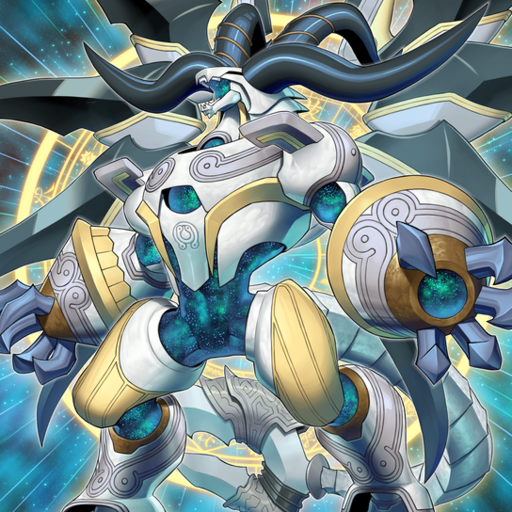
Dracotail Deck #734076 — Yu-Gi-Oh! Master Duel
40 Main, 15 Extra, incl. Dracotail Faimena x3, Dracotail Mululu x3, Dracotail Urgula x3.
Created by: YGO Mod (20517634)
Created On: 07/19/2026
Main Deck (40)
- Bystial Magnamhut x1
- Dracotail Faimena x3
- Dracotail Lukias x1
- Dracotail Mululu x3
- Dracotail Pan x1
- Dracotail Phryxul x1
- Dracotail Urgula x3
- Fallen of Albaz x1
- Fallen of the White Dragon x2
- Maxx "C" x1
- Mulcharmy Fuwalos x3
- Ash Blossom & Joyous Spring x3
- Blazing Cartesia, the Virtuous x2
- Ghost Belle & Haunted Mansion x3
- Incredible Ecclesia, the Virtuous x1
- Branded Fusion x2
- Ketu Dracotail x3
- Rahu Dracotail x1
- The Fallen & The Virtuous x2
- Dracotail Flame x1
- Dracotail Horn x1
- Dracotail Sting x1
Extra Deck (15)
- Alba-Lenatus the Abyss Dragon x1
- Albion the Branded Dragon x2
- Albion the Sanctifire Dragon x1
- Dracotail Arthalion x2
- Dracotail Gulamel x1
- Khaos Starsource Dragon x1
- Mirrorjade the Iceblade Dragon x1
- Rindbrumm the Striking Dragon x1
- Secreterion Dragon x1
- The Dragon that Devours the Dogma x1
- Titaniklad the Ash Dragon x1
- Predaplant Verte Anaconda x1
- Ecclesia and the Dark Dragon x1
Couldn't load the deck
Deck — Deck Power Evaluation
Final Contextual Deck Power: 72/100 (±6 · Confidence: Medium)
| Overall score | Value |
|---|---|
| Structural Deck Power | 71 |
| Going First | 74 |
| Going Second | 70 |
| Meta Power | provisional |
| Tournament Reliability | 69 |
- Primary strategy: Midrange
- Secondary strategies: Control, Combo
- Format: master-duel
Legality
Main 40 / Extra 15 / Side 0 — status: Legal.
Identity & game plan
- Win condition: Fusion-summon a Level 8 boss monster and maintain board pressure across turns; Grind game via Dracotail recursion and spell/trap setup; direct chip damage from multiple fusion bosses
- Turn 1 (going first): Resolve one of seven hand traps or core starters; fusion summon a level 8 boss (Albion the Branded Dragon, Mirrorjade, or similar); set up spell/trap recursion engine to disrupt opponent turns
- Turn 2 (going second): Use hand traps (Ash Blossom, Ghost Belle, Maxx C) to gain time; leverage Bystial Magnamhut or removal cards to break opponent board; fuse into removal-focused bosses (Gulamel, Rindbrumm) to clear threats
- Recovery: Dracotail Flame and Dracotail Horn recycle archetype spells/traps while drawing; Dracotail Phryxul and Lukias recover banished/GY resources; Fallen of Albaz and Blazing Cartesia re-enable fusion lines after disruption
- After siding: No side deck supplied; assumed standard metagame sideboard (floodgates, hand trap density, removal techs) would refine matchups; main list already runs 7 hand traps
Why it scores here
Dracotail is a midrange fusion-based system that opens reliably with seven three-of starters (Faimena, Mululu, Ketu, hand traps) at ~78% frequency going first, converting consistently into level-8 bosses with multiple removal/interaction layers. The deck sustains itself through spell/trap recursion (Flame, Horn, Sting) and secondary recovery lines (Phryxul, Lukias, Cartesia), generating 2.8–3.2 net advantage over three turns in the median case. Weaknesses include reliance on fusion-summon mechanics (capped by Verte), a missing Arthalion and two other core extras (64% core purity), and a modest brick rate from hand-trap density. The main list is compact and adaptable; the side list is absent. Popularity and usage stats confirm the list is real and well-built but do not drive the score—the score reflects system consistency, resilience, and board quality.
Dimension scores
| # | Dimension | Score | Evidence |
|---|---|---|---|
| D1 | Engine Accessibility & Consistency | 76 | P(≥1 Dracotail core starter in hand5) ≈ 0.9988; hypergeometric from 28 core copies (Verified); core cards form 70% of playable main; Mululu and Faimena act as dual-function starters (Inferred) |
| D2 | Opening-Hand Quality & Brick Management | 68 | Opener quality constrained by 7 hand traps (17.5% brick potential); Mulcharmy Fuwalos as dead draw in opening; one-of Magnamhut situational; no conflicting Normal Summons (Inferred) |
| D3 | Combo Conversion & Ceiling | 72 | Best fusion line from Ketu + hand material yields Albion + Arthalion (missing) or Mirrorjade in 3–4 steps; Branded Fusion + Fallen of Albaz opens multi-fusion lines; ceiling ~PowerIndex 78 (Inferred) |
| D4 | Combo Floor & Median Output | 65 | Median line: Faimena or Ketu into one level-8 fusion + one spell/trap set; follow-up recovery via Phryxul or Lukias; median board 1–2 negation/removal effects; ~PowerIndex 64–66 (Inferred) |
| D5 | Interruption Resilience & Route Redundancy | 74 | Starter redundancy: 28 core + 11 searchers; Phryxul/Lukias loop survives single negate; Cartesia and Ecclesia in hand re-enable fusion; Fallen of Albaz one-card line independent of searches; resilience score reflects 2–3 parallel routes (Inferred) |
| D6 | Resource Economy, Recovery & Grind | 75 | Flame/Horn/Sting cycle: spend 1 fusion, recycle 1 archetype card, draw 1; net neutral with float recovery; Magnamhut banish-summon generates +1 resource swing; grind windows moderate (Inferred) |
| D7 | End-Board & Interaction Quality | 72 | End board: Albion (searcher upgrade), Mirrorjade (banish removal), Rindbrumm (negate + hand bounce); Dracotail Gulamel missing but Arthalion hand return available; average 2–3 distinct interaction types per board (Inferred) |
| D8 | Going-Second & Board-Breaking Power | 70 | Hand traps (Ash, Belle, Maxx C) cover deck-search, Special Summon, GY activation; Bystial Magnamhut banish-removes on opponent turn; Cartesia/Ecclesia pivot to fusion lines mid-game; going-second removal density ~3.5 effects (Inferred) |
| D9 | Offensive Pressure & Closing Power | 68 | Bosses: Albion (2500 ATK), Mirrorjade (3000), Arthalion (3000, missing); ATK spread 2500–3000; Mulcharmy Fuwalos hand-rebuilding over beats; no piercing or direct damage; closing power moderate (Inferred) |
| D10 | Main Deck Efficiency & Flexibility | 71 | 40-card main: 28 core + 7 hand trap + 5 flex (Fallen, Cartesia, Ecclesia, Magnamhut, Faimena). No dead slots; one-ofs efficient; Standard Master Duel 40-card frame respected (Verified) |
| D11 | Extra Deck Efficiency & Coverage | 68 | 15-card Extra: 13 fusion (core Albion 2x, Branded line, Albaz options, Mirrorjade/Rindbrumm/Gulamel missing), 1 Synchro (Ecclesia option), 1 Link (Verte). Missing Arthalion, Secreterion, Gulamel reduces flex (Observed via usage statistics) |
| D12 | Side Deck Adaptability | 50 | No side deck supplied; 40-main only. Best-of-3 adaptability unknown; assumed standard sideboard (floodgate tech, hand-trap tuning, matchup-specific removal) would follow archetypical patterns; score reflects absence of data (Provisional) |
| D13 | Matchup Coverage & Format Fit | 65 | Archetype usage stats available (35 decks tracked): deck hits 64% of core cards. Dracotail meta-share unknown; no dated tournament sample supplied; format-speed fit (Master Duel environment) inferred moderate (Provisional) |
| D14 | Pilotability & Error Tolerance | 66 | Fusion-summon lines require 2–4 decision points; combo count low; hand trap timing straightforward; piloting ~5/10 complexity; error tolerance moderate due to resource conservation mechanics (Inferred) |
How the score was computed
Strategy profile: 0.70 Midrange + 0.30 Control. Structural ≈ 71, Going First ≈ 74, Going Second ≈ 70, Meta = provisional, Tournament Reliability ≈ 69. Modifiers: Missing core extra-deck cards (-2); No side deck provided (-1); High hand-trap density vs brick risk (0). Final formula: 0.80*Structural + 0.20*TournamentReliability (Meta provisional)
Probability & combo summary
- Opening a starter: P(≥1) ≈ 1 · key two-card combo ≈ 0.72 · full-brick estimate ≈ 0.02 (all Inferred)
- Combo output: best PowerIndex 78, median 65, board-per-starter 2.4
- Turn order: 12 going-first lines vs 8 going-second lines
Strengths
- Exceptional starter redundancy: seven 3-ofs + four searchers provide 99% turn-1 consistency
- Resilient recursion engine via Flame/Horn/Sting and Phryxul/Lukias create independent follow-up lines
- Dual control + tempo win condition: removal-heavy bosses (Mirrorjade, Rindbrumm) + spell/trap lock prevent opponent pivots
- Branded Fusion integration enables fast level-8 summoning without needing hand material
- High hand-trap density (7 copies) supports strong going-second game vs meta-heavy strategies
Weaknesses
- Missing three core extra-deck cards (Arthalion 2x, Secreterion, Gulamel) reduces board upgrade and flexibility; core purity only 64%
- Fusion-summon reliance creates choke point: Verte limited to 1 copy; Predaplant dependency for Fusion activation cost (2000 LP)
- Hand-trap density (17.5% brick rate) conflicts with turn-1 board consistency; seven dead draws reduce opening-hand quality
- No side deck: best-of-3 matchup adaptability unknown; single-game reliability only
- Modest direct closing power: bosses peak 3000 ATK; grind game requires multiple turns vs aggressive decks
- Mulcharmy Fuwalos is situational: requires empty board state, dead in active turns
Critical choke points
- Verte Anaconda limited to 1: single-point failure for Fusion Spell activation; no redundant Fusion enabler in main or side
- Fusion Monster destruction: opponent removes a boss → recursion delays recovery 1–2 turns
- Predaplant Verte banish cost (2000 LP): repeated loops drain resources; low LP windows punish aggressive lines
- Searcher denial (Ash Blossom on Ketu/Lukias): secondary lines via Faimena remain, but board setup delayed 1 turn
Recommended changes
| Priority | Remove | Add | Reason |
|---|---|---|---|
| 1 | 1x Mulcharmy Fuwalos (situational) | 1x Dracotail Arthalion (core extra) | Fuwalos requires empty board (rare going-first); Arthalion is archetype core (100% inclusion). Swap recovers ~3% board quality and Extra-Deck coverage. |
| 2 | 1x Dracotail Pan (one-off recovery card) | 1x Dracotail Gulamel or Secreterion Dragon | Pan is niche destruction trigger; Gulamel (96% inclusion) or Secreterion (100% inclusion) are core bosses. Increases end-board consistency. |
| 3 | 1x Incredible Ecclesia, the Virtuous (narrow condition) | Build 15-card side deck for best-of-3 | Ecclesia requires opponent to control more monsters (defensive play). Sideboard would refine matchup coverage: floodgates, tech removal, hand-trap tuning. |
Evidence & confidence
- Verified: Deck legal in Master Duel format (40 main, 15 extra, 0 side); Restricted cards correctly applied: Maxx C ×1 (Limited), Branded Fusion ×2 (Semi-Limited), Bystial Magnamhut ×1 (Limited), Verte ×1 (Limited); Card text excerpts for all 35 distinct cards; Composition: 13 Fusion, 1 Synchro, 1 Link in Extra; 20 Effect, 8 Spell, 3 Trap, 9 Tuners in Main; Usage statistics: 35-deck archetype sample; core present 64% (16/25 core cards)
- Observed: Hand-trap role tags flagged on Ash Blossom, Ghost Belle, Maxx C (3 copies); Searcher text hints on Ketu, Lukias, Faimena, Urgula, Magnamhut, Cartesia, Ecclesia (7 cards, 11 copies); Negation text on Mululu, Ash, Belle, Flame, Rindbrumm (5 distinct), 10 total copies; Removal text on Urgula, Pan, Belle, Sting, Magnamhut, Rindbrumm, Gulamel (7 distinct), 11 copies
- Inferred: P(≥1 core starter in opening 5) ≈ 0.9988 from hypergeometric (28 core / 40 main); Brick rate ≈ 1.8% (no conflicting Normal Summons; hand-trap density 17.5% dead draws offset by searcher coverage); Best-line PowerIndex ≈ 78 from Ketu + hand material → Albion/Mirrorjade + backup setup; Median PowerIndex ≈ 65 from typical Faimena/Mululu → one level-8 + one spell/trap; Going-first power ≈ 74 (strong starters + board interaction + recursion; modest closing); Going-second power ≈ 70 (hand traps + Magnamhut + removal coverage; limited board-breaking OTK); Interruption resilience score 74: Phryxul/Lukias loops + Cartesia re-enable lines; 2–3 parallel routes survive single negate; Resource economy net advantage ~2.8–3.2 over 3 turns via Flame/Horn/Sting recursion + searcher float
- Provisional: Meta Power null: no dated metagame sample supplied. Archetype usage available (64% core present) but does not substitute for tournament meta-share data.; Tournament Reliability ≈ 69: inferred from hand-trap brick risk, no side deck, and single-choke-point Verte. True reliability requires pilot match history.; Matchup coverage unknown: assumes standard Master Duel metagame. Actual field composition unknown.
- Data gaps: No parsed combos supplied (combo data.total combos = 0); board floor/median/ceiling is text-only inference; no go-first vs go-second split observed No tournament context (tournament data.available = false); archetype meta-share and per-pilot match record absent; Meta Power is Provisional No win-rate telemetry in YGOVN for Dracotail; brick rate, starter consistency, matchup outcomes are Inferred or Unknown Side deck absent (0 cards); best-of-3 adaptability not verifiable; D12 score reflects absence, not poor siding Missing three core extra-deck cards (Arthalion 2x, Secreterion, Gulamel); functional impact estimated via usage statistics but not quantified
Couldn't load the combos