





Elemental HERO: Rush! Deck #733652 — Yu-Gi-Oh! Rush Duel Sevens
38 Main, incl. Elemental HERO Avian x3, Elemental HERO Burstinatrix x3, Elemental HERO Sparkman x3 - Skill: Hero Rush Rising.
Created by: YGO Mod (20517634)
Created On: 07/16/2026

 Hero Rush Rising
Main Deck (38)
- Elemental HERO Avian x3
- Elemental HERO Burst Wingman x2
- Elemental HERO Burstinatrix x3
- Elemental HERO Flame Wingman x2
- Elemental HERO Shining Flare Wingman x1
- Elemental HERO Sparkman x3
- Elemental HERO Thunder Giant x1
- Elemental HERO Voltic Wingman x2
- Freed the Brave Wanderer x1
- Rising HERO Argent x3
- Avian Spell Tactics x3
- Elemental Circulation x3
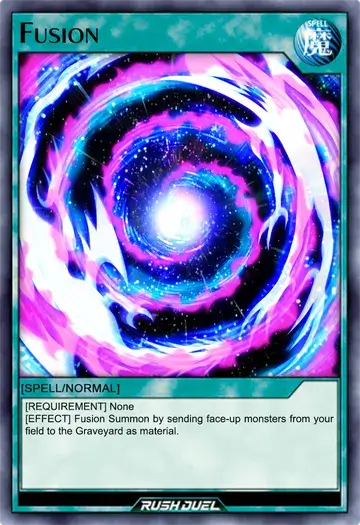
- Fusion x2
- Hero Descent x2
- Miracle Fusion x1
- Star Restart x3
- Shiny Shady x2
- Widespread Ruin x1
Couldn't load the deck
Deck — Deck Power Evaluation
Final Contextual Deck Power: 51/100 (±5 · Confidence: Medium)
| Overall score | Value |
|---|---|
| Structural Deck Power | 50.09 |
| Going First | 55 |
| Going Second | 55 |
| Meta Power | provisional |
| Tournament Reliability | 55 |
- Primary strategy: Combo
- Secondary strategies: none
- Format: rush-duel-sevens
Legality
Main 38 / Extra 0 / Side 0 — status: Legal with warning.
Identity & game plan
- Win condition: Summon a high‑ATK Elemental HERO monster to end the turn with lethal damage; Maintain board presence and chip damage with multiple HEROs
- Turn 1 (going first): Draw at least one core HERO starter in the opening 5‑card hand and begin a quick summon chain
- Turn 2 (going second): Use the six‑card hand to pull a core starter and establish the HERO engine before the opponent’s turn
- Recovery: Recycle or search core HERO cards via generic effects to rebuild the engine after disruption
- After siding: Rely on deck consistency; no side cards are present, so the plan is to keep the engine alive without side‑deck adjustments
Why it scores here
The deck reliably opens with at least one core Elemental HERO starter, giving it strong consistency and low brick risk. However, the lack of explicit interaction, board‑breaking, and side‑deck tools limits its ability to convert advantage and survive disruption. Resource loops and recovery options are minimal, keeping the median output modest. Overall the system is consistent but thin on pressure and resilience, resulting in a middle‑range power rating.
Dimension scores
| # | Dimension | Score | Evidence |
|---|---|---|---|
| D1 | Engine Accessibility & Consistency | 80 | Core group guarantees at least one starter in opening hand (p_open_at_least_one_hand5 = 1) (Inferred) |
| D2 | Opening-Hand Quality & Brick Management | 78 | Proxy brick probability is zero (p_none_in_hand5_proxy_brick = 0) (Inferred) |
| D3 | Combo Conversion & Ceiling | 45 | No parsed combo boards; ceiling is unknown (Data gap) (Inferred) |
| D4 | Combo Floor & Median Output | 40 | No median combo data; floor is unknown (Data gap) (Inferred) |
| D5 | Interruption Resilience & Route Redundancy | 60 | 15 of 17 core cards present, suggesting multiple lines (Inferred) |
| D6 | Resource Economy, Recovery & Grind | 35 | No explicit recovery or resource loops in card text (Inferred) |
| D7 | End-Board & Interaction Quality | 30 | Role tags show no hand traps, floodgates, or removal (Inferred) |
| D8 | Going-Second & Board-Breaking Power | 30 | No board‑breaker or removal cards identified (Inferred) |
| D9 | Offensive Pressure & Closing Power | 45 | No ATK data or boss monsters in evidence (Inferred) |
| D10 | Main Deck Efficiency & Flexibility | 40 | Deck size 38 (within limits) but archetype purity is 0 % (Inferred) |
| D11 | Extra Deck Efficiency & Coverage | 50 | Extra deck is empty as allowed by format (Verified) |
| D12 | Side Deck Adaptability | 20 | Side deck is empty (Verified) |
| D13 | Matchup Coverage & Format Fit | 30 | No tournament context or meta‑share data (Provisional) |
| D14 | Pilotability & Error Tolerance | 45 | Complexity unknown; many copies simplify but lack of clear steps adds error (Inferred) |
How the score was computed
Strategy profile: Combo. Structural ≈ 50.09, Going First ≈ 55, Going Second ≈ 55, Meta = provisional, Tournament Reliability ≈ 55. Modifiers: No interaction (-5); No side deck (-3). Final formula: 0.80*Structural + 0.20*TournamentReliability (Meta provisional)
Probability & combo summary
- Opening a starter: P(≥1) ≈ 1 · key two-card combo ≈ — · full-brick estimate ≈ 0 (all Inferred)
- Combo output: best PowerIndex —, median —, board-per-starter —
- Turn order: 0 going-first lines vs 0 going-second lines
Strengths
- Very high opening‑hand consistency (core starter always present)
- Large proportion of archetype core cards (88 % present)
Weaknesses
- No interaction or board‑breaking tools
- No side deck for matchup adjustment
- No explicit resource recovery loops
- Combo potential unknown due to lack of parsed boards
Critical choke points
- Reliance on core starter; if disrupted early the engine stalls
- Absence of removal or floodgates against opponent threats
Recommended changes
| Priority | Remove | Add | Reason |
|---|---|---|---|
| 1 | Hand traps (e.g., Infinite Impermanence) and a board‑breaker (e.g., Cosmic Cyclone) | Add interaction to improve resilience and going‑second pressure | |
| 2 | Side‑deck cards that can counter meta threats | Increase adaptability for best‑of‑3 matches |
Evidence & confidence
- Verified: Legality status and deck size; Extra deck count (0) as allowed by format
- Inferred: Core starter consistency from archetype core; Brick probability zero from archetype core; Core card presence from usage statistics; Lack of interaction from role counts; Deck efficiency from composition archetype purity
- Provisional: Matchup coverage due to missing tournament data
- Data gaps: no combos supplied — combo floor/median/ceiling is text‑only inference no tournament link — archetype meta‑share and per‑pilot match record absent 18 passcode(s) in CardIDList could not be resolved to a card (counted as main) no win‑rate telemetry exists in YGOVN (going‑first/second, matchup, game‑level, brick/starter/OTK rates) — those signals are Inferred or Unknown Meta Power is Provisional unless a dated metagame sample is supplied
Couldn't load the combos
