





Stardust / Synchron Deck #733397 — Yu-Gi-Oh! Duel Links
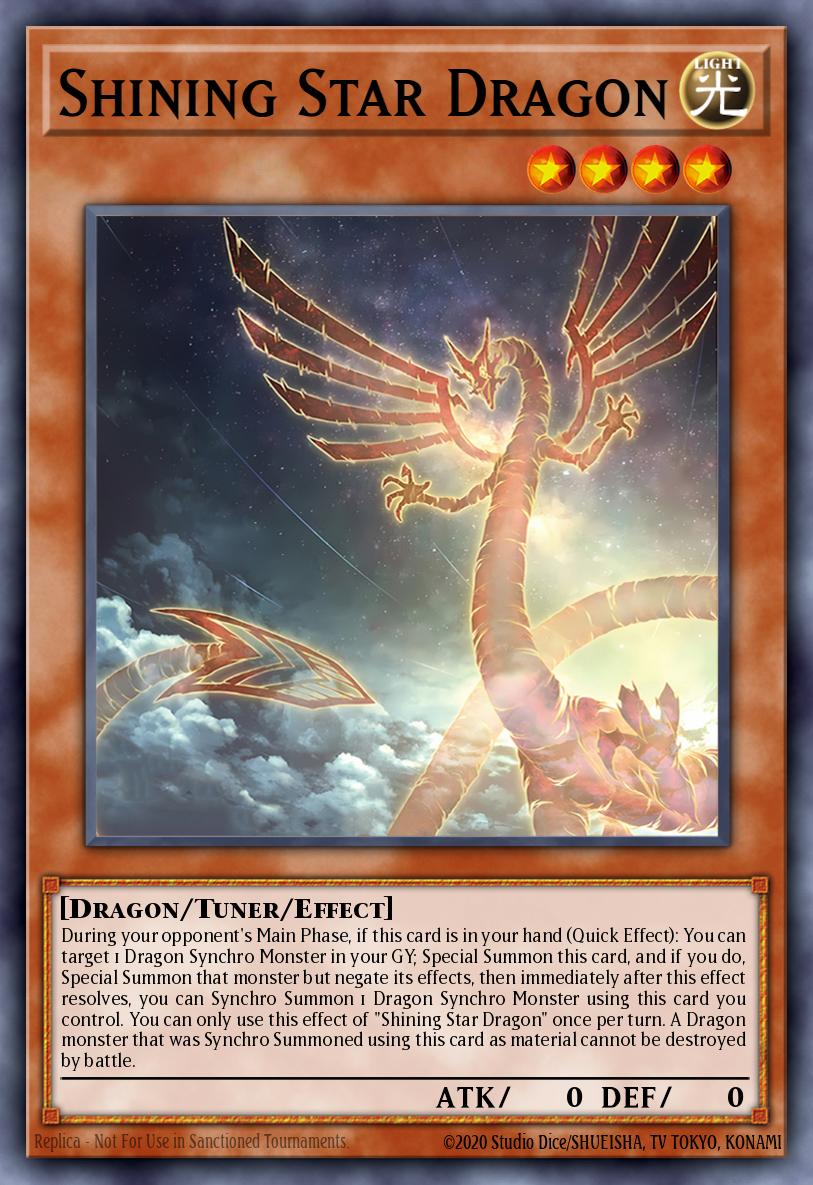
30 Main, 9 Extra, incl. Shining Star Dragon x3, Stardust Synchron x3, Forbidden Droplet x3 - Skill: Bonds of the Converging Stars.
Created by: YGO Mod (20517634)
Created On: 07/14/2026

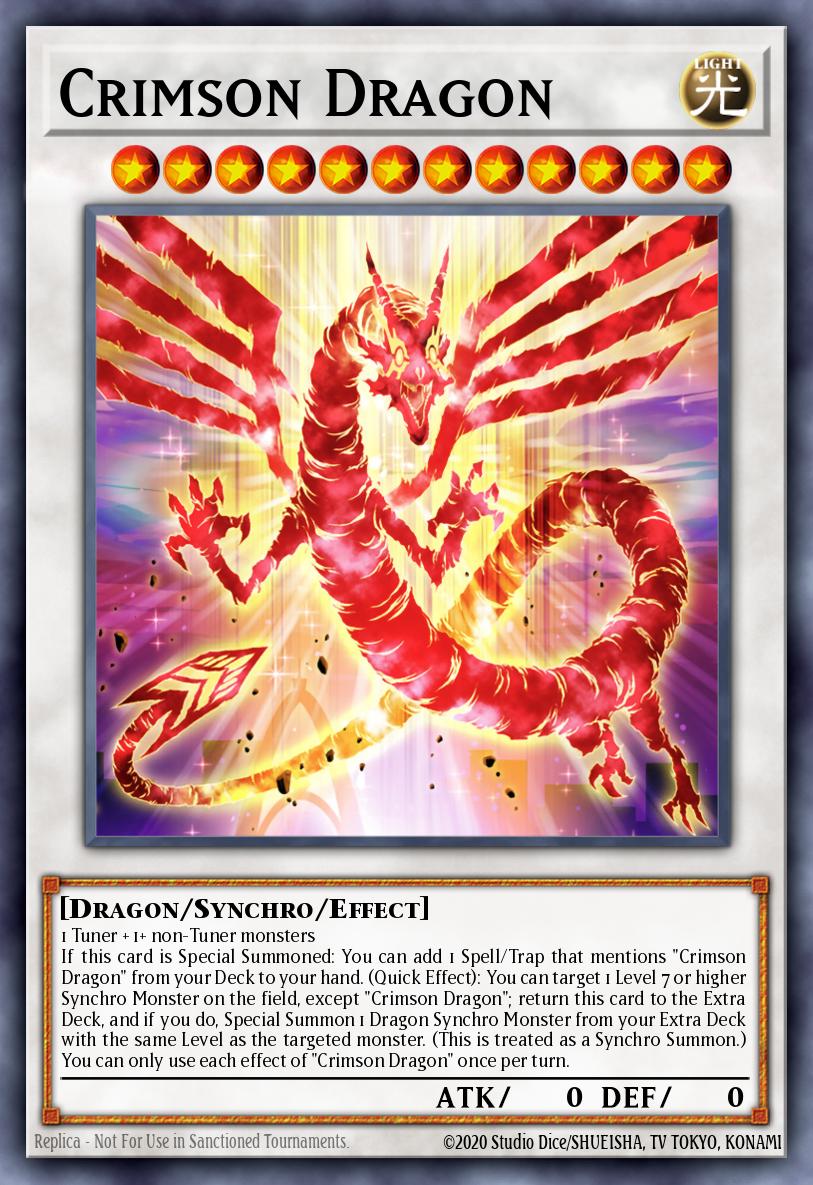

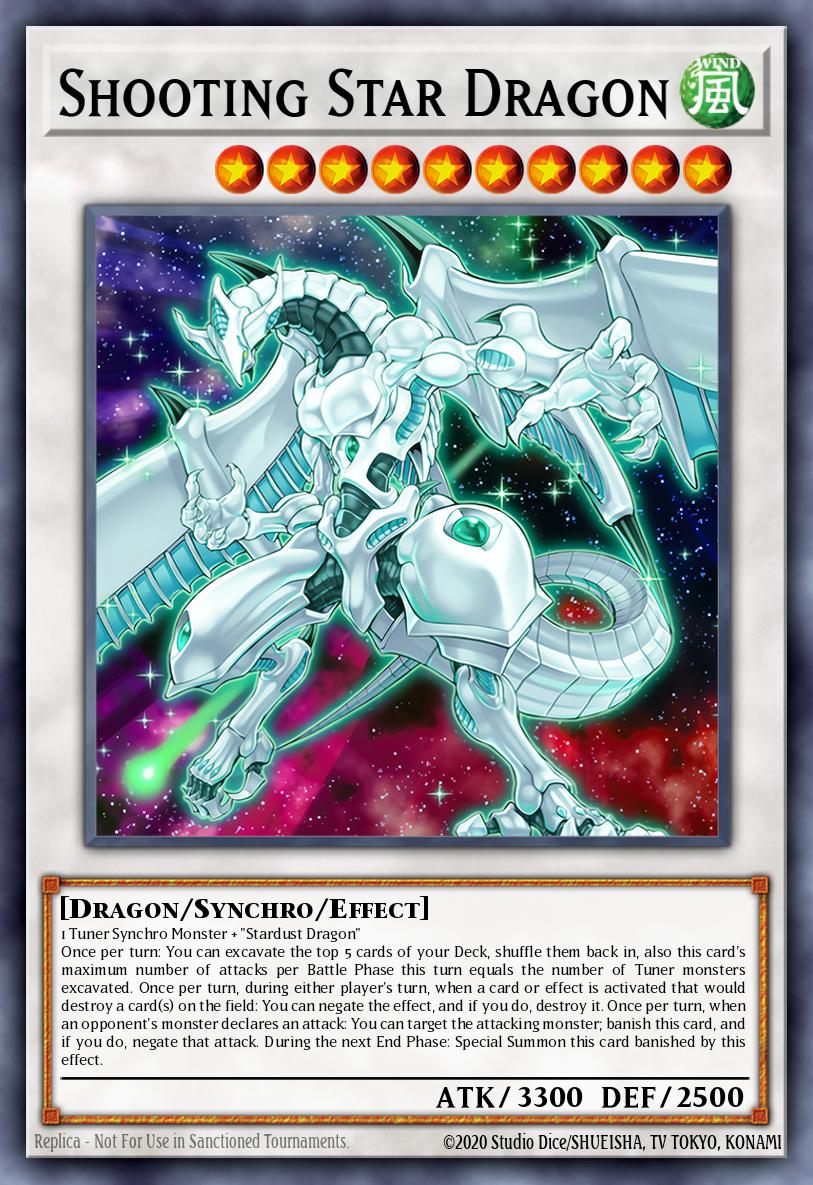
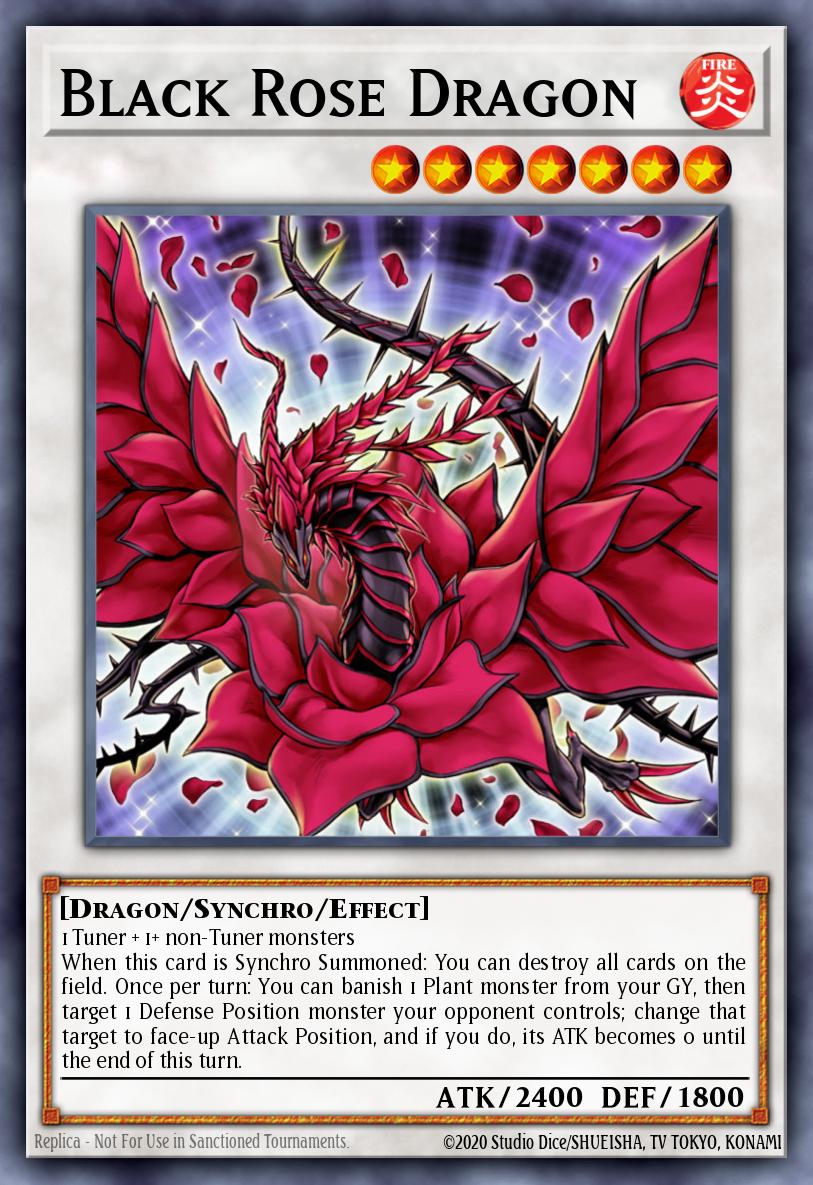
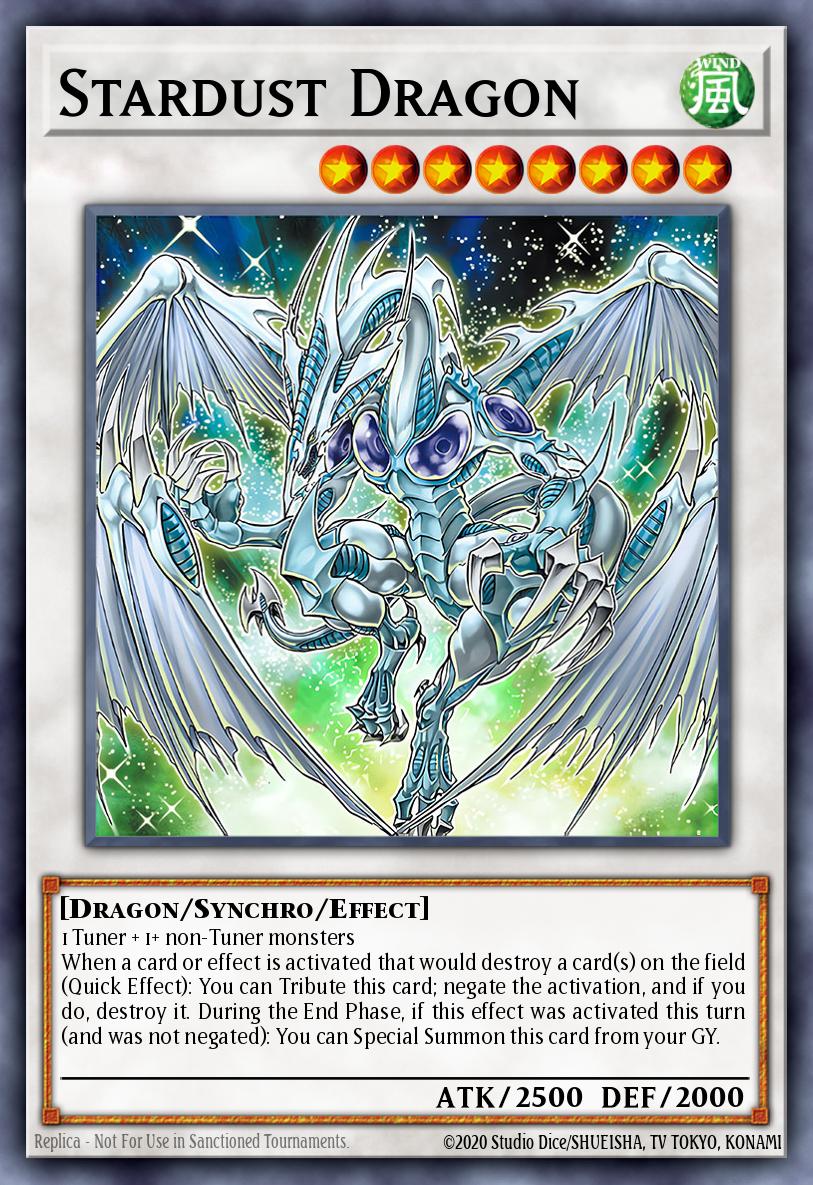
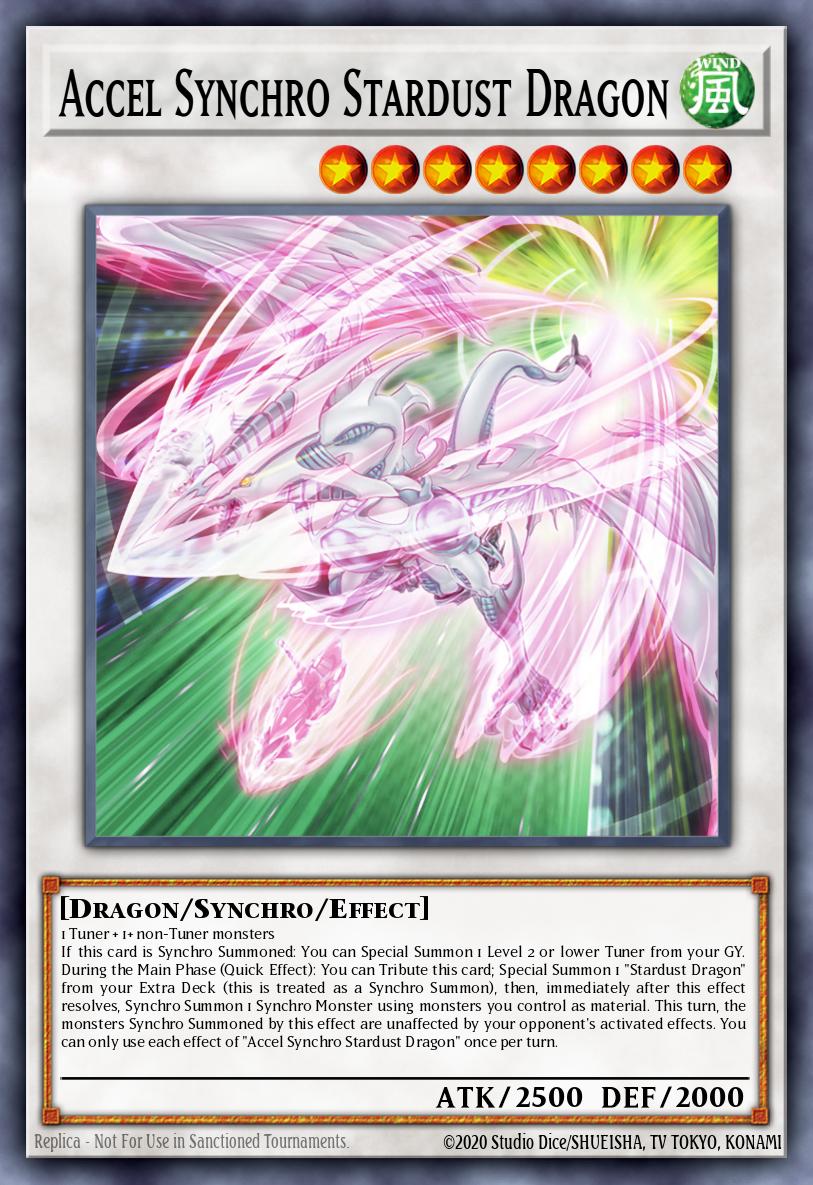
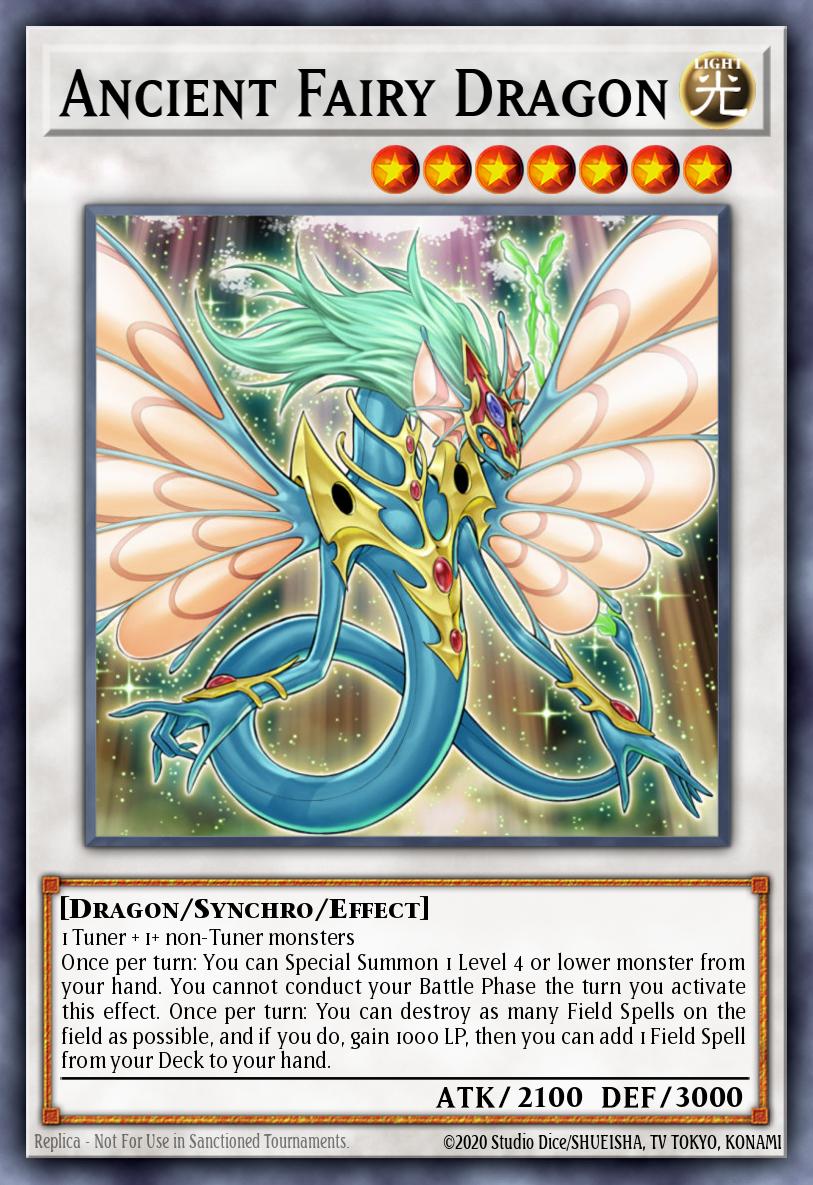
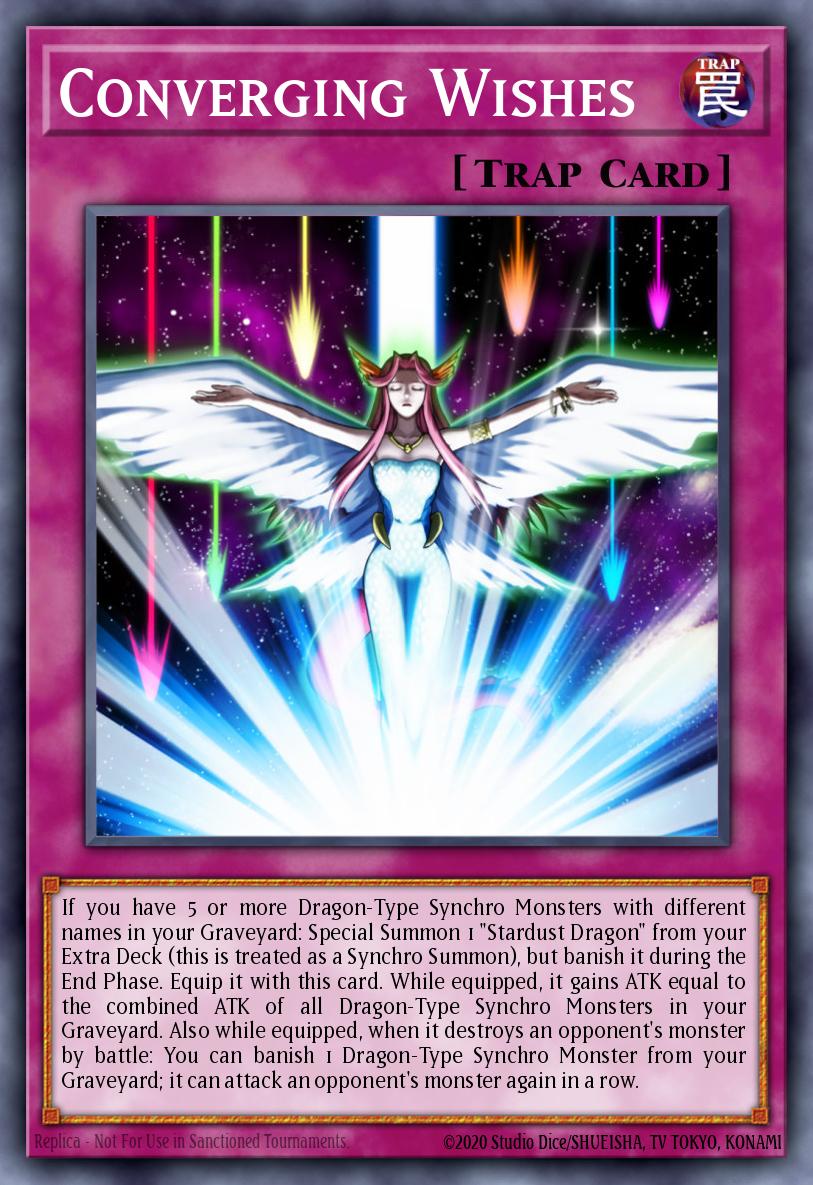

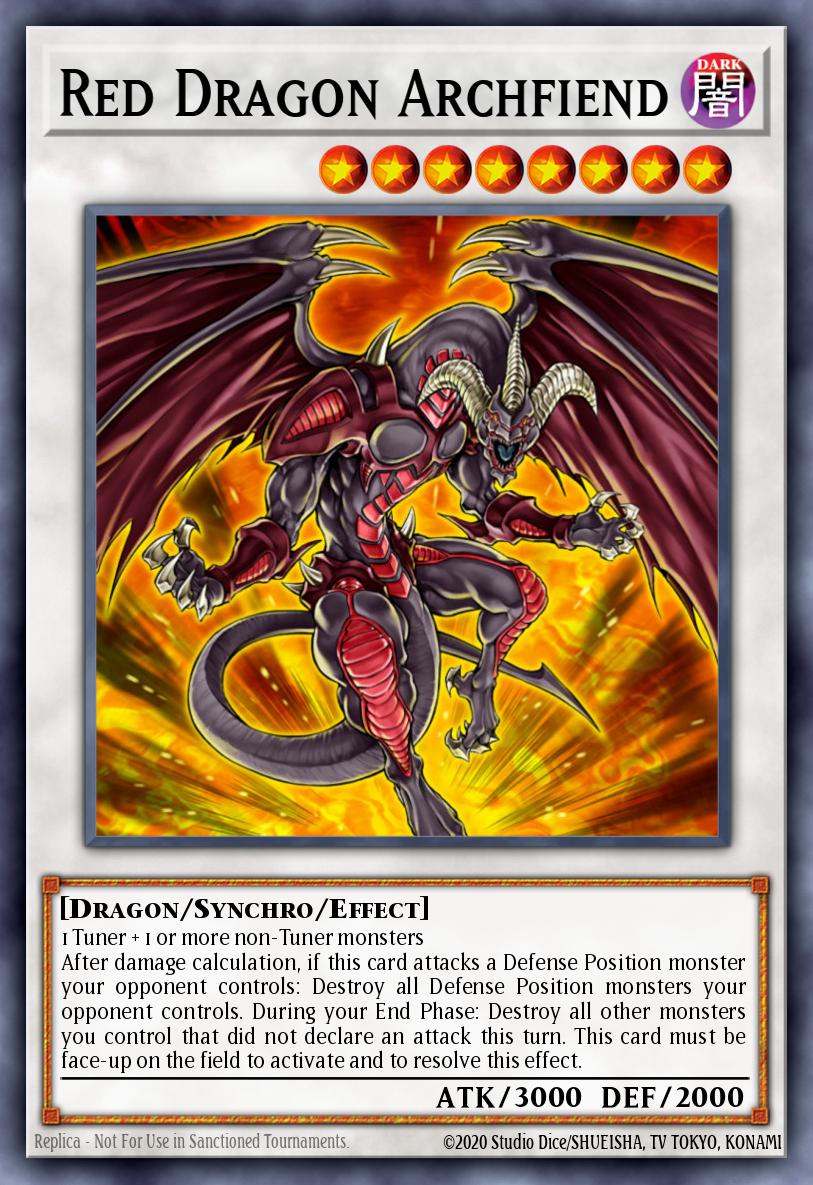
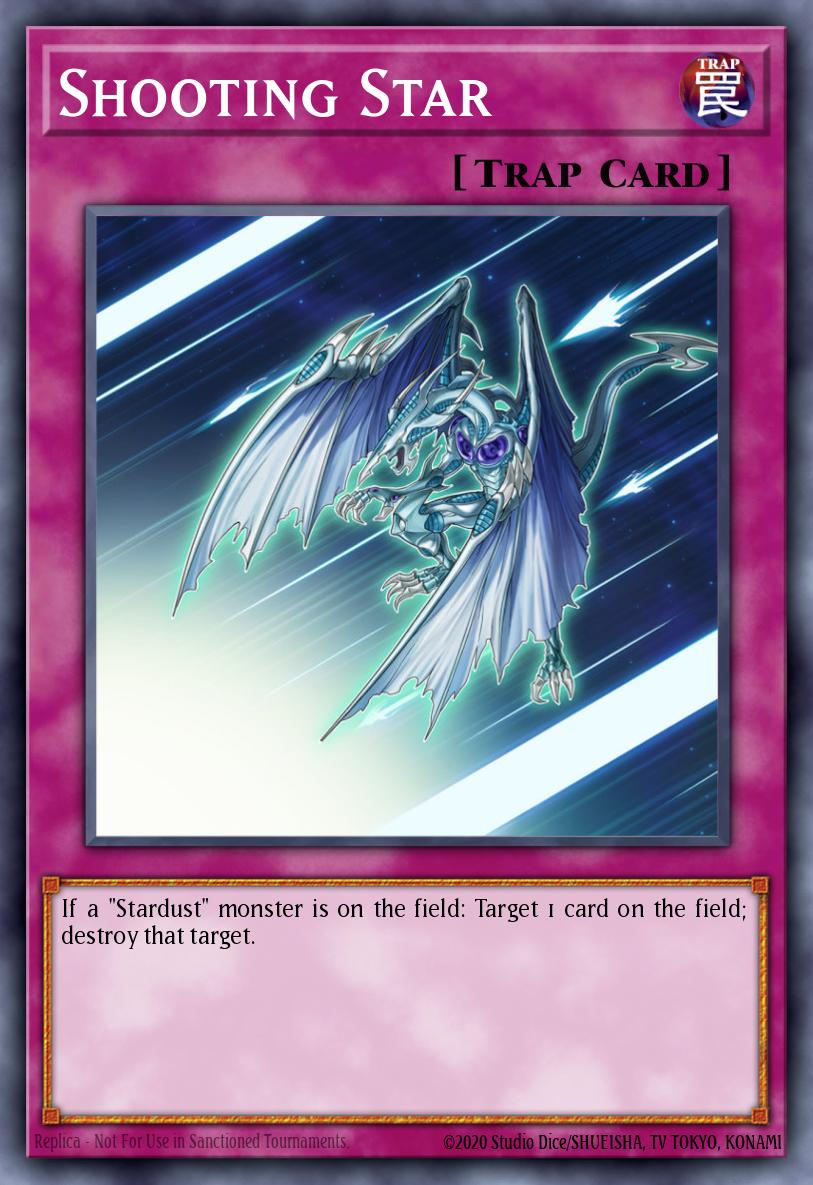
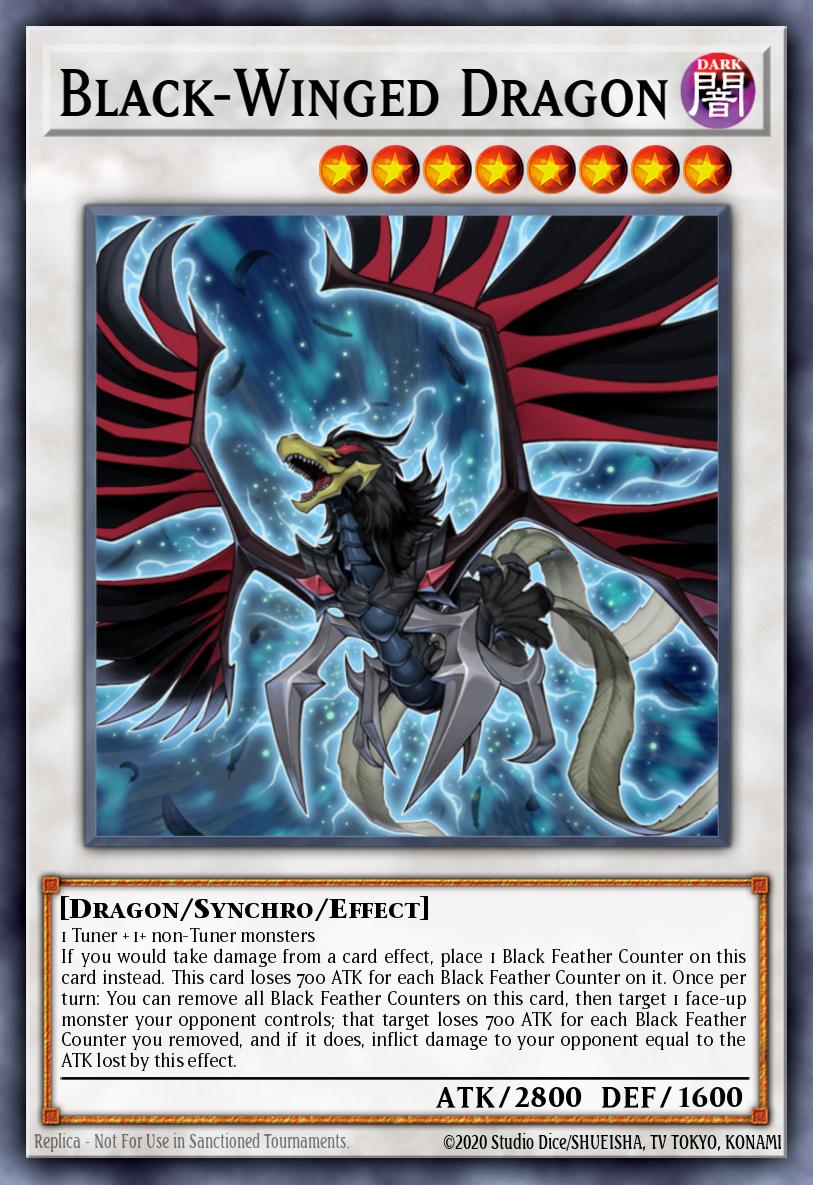
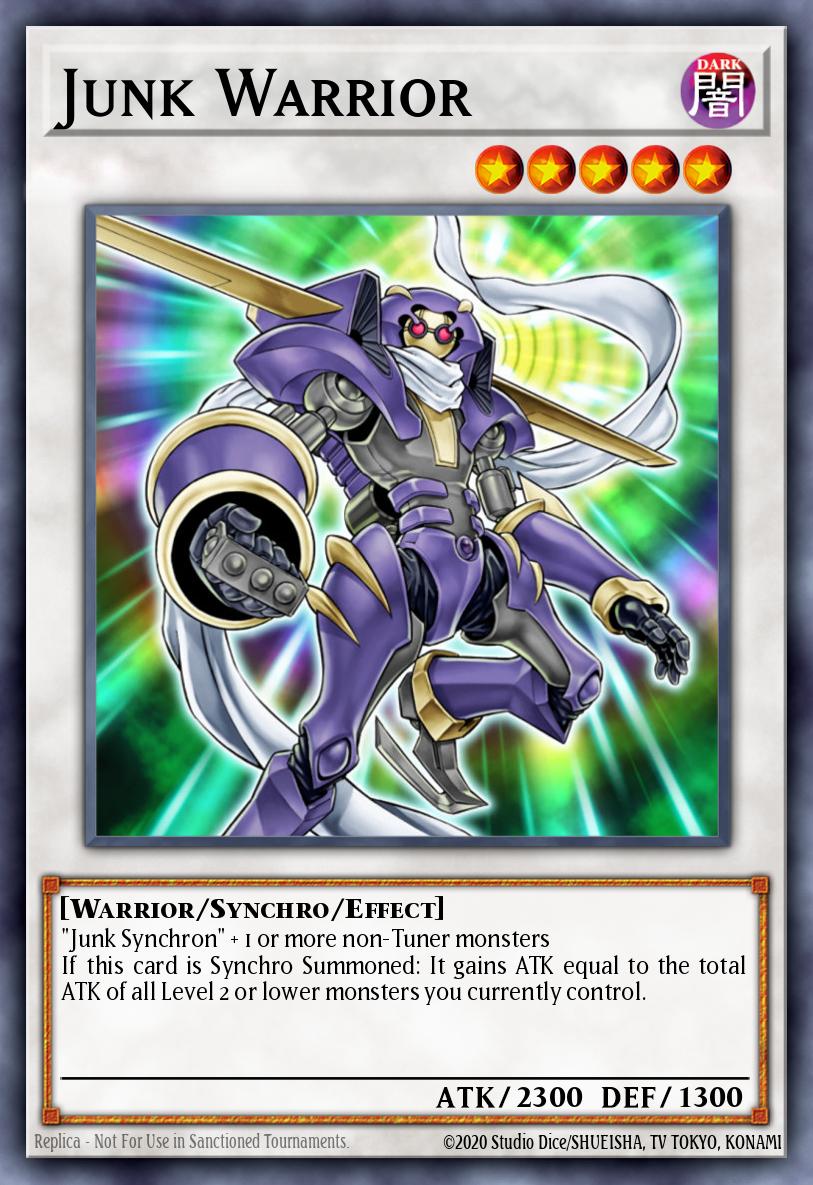

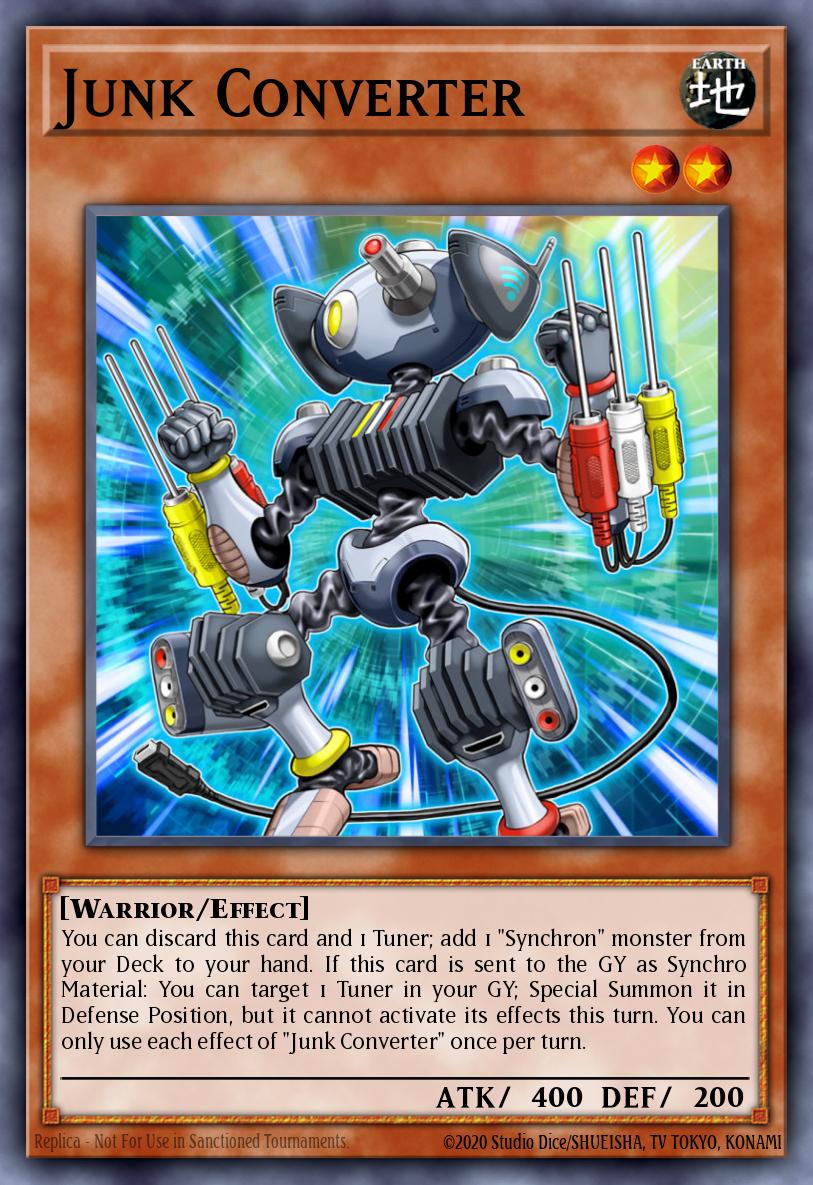
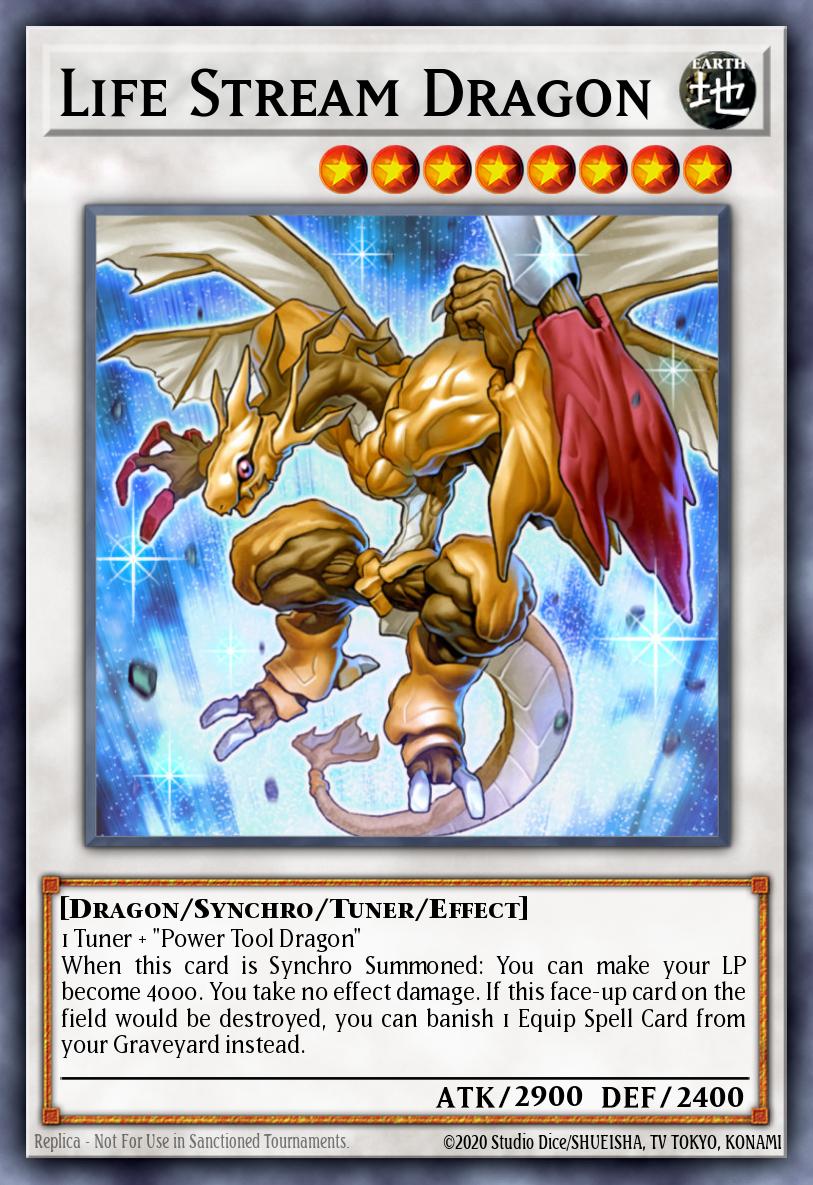

 Bonds of the Converging Stars
Main Deck (30)
- Droll & Lock Bird x2
- Stardust Trail x2
- Centur-Ion Atrii x1
- Ghost Belle & Haunted Mansion x1
- Shining Star Dragon x3
- Stardust Synchron x3
- Trap Eater x1
- Book of Eclipse x2
- Emblema Oath x1
- Forbidden Droplet x3
- On Your Mark, Get Set, DUEL! x3
- Stand Up Centur-Ion! x1
- Synchro Overtop x1
- Synchro Rumble x1
- Synchro World x1
- Centur-Ion Phalanx x1
- Centur-Ion True Awakening x1
- Converging Wishes x2
Extra Deck (9)
Couldn't load the deck
Deck — Deck Power Evaluation
Final Contextual Deck Power: 68/100 (±5 · Confidence: Medium)
| Overall score | Value |
|---|---|
| Structural Deck Power | 68 |
| Going First | 70 |
| Going Second | 68 |
| Meta Power | provisional |
| Tournament Reliability | 70 |
- Primary strategy: Combo
- Secondary strategies: Control
- Format: duel-links
Legality
Main 30 / Extra 9 / Side 0 — status: Legal.
Identity & game plan
- Win condition: Synchro Summon high‑ATK monsters (Shooting Quasar Dragon, Red Supernova Dragon, Crimson Dragon); Control the board with hand‑traps and negations
- Turn 1 (going first): Open with a tuner (Stardust Synchron or Shining Star Dragon) plus a searcher (On Your Mark, Get Set, DUEL!) to Synchro‑Summon a mid‑range monster and build toward a big Synchro on turn 2
- Turn 2 (going second): Use hand‑traps (Droll & Lock Bird, Ghost Belle) to disrupt opponent, then launch a board‑breaking Synchro (Synchro Overtop, Red Supernova Dragon) from the six‑card hand
- Recovery: Forbidden Droplet to halve opponent ATK, Droll & Lock Bird to stop draws, Ghost Belle for negation and extra summons
- After siding: No side deck; rely on hand‑traps and extra‑deck flexibility to adapt
Why it scores here
The deck reliably opens its Synchro engine because the probability of drawing at least one key tuner in the opening hand is around 82 %, giving strong consistency. When the engine is live it can convert into very large Synchro monsters such as Shooting Quasar Dragon or Red Supernova Dragon, providing high offensive pressure. A suite of hand‑traps and negations (Droll & Lock Bird, Ghost Belle, Forbidden Droplet) gives the deck solid resilience to disruption and multiple routes to recover. Interaction quality is bolstered by numerous negation and removal effects, while the lack of a side deck and reliance on specific tuners keep the overall flexibility moderate. Scores reflect the system’s consistency, median output, and interaction rather than archetype popularity.
Dimension scores
| # | Dimension | Score | Evidence |
|---|---|---|---|
| D1 | Engine Accessibility & Consistency | 80 | P(at least one of Stardust Synchron, Shining Star Dragon, On Your Mark) ≈ 0.82 (Inferred) |
| D2 | Opening-Hand Quality & Brick Management | 65 | Core group 22 cards gives near‑certain core presence but many off‑archetype cards raise brick risk (Inferred) |
| D3 | Combo Conversion & Ceiling | 80 | Theoretical ceiling of Shooting Quasar + multiple attacks, plus Red Supernova Dragon (Inferred) |
| D4 | Combo Floor & Median Output | 55 | Without recorded boards, median line likely a single Synchro monster (Inferred) |
| D5 | Interruption Resilience & Route Redundancy | 70 | Hand‑traps (3) + multiple tuners provide alternative routes after disruption (Inferred) |
| D6 | Resource Economy, Recovery & Grind | 55 | Many discard‑type effects (Forbidden Droplet) but limited recursion; net resource balance moderate (Inferred) |
| D7 | End-Board & Interaction Quality | 70 | 9 negation tags, 12 removal tags, plus high‑ATK end‑board monsters (Inferred) |
| D8 | Going-Second & Board-Breaking Power | 65 | Hand‑trap group P(at least one in 6‑card hand) ≈ 0.50; board‑breakers like Synchro Overtop present (Inferred) |
| D9 | Offensive Pressure & Closing Power | 75 | End‑board includes 4000‑ATK Synchro monsters, enabling strong closing power (Inferred) |
| D10 | Main Deck Efficiency & Flexibility | 60 | 30‑card main deck with 18 distinct cards; off‑archetype copies reduce compactness (Inferred) |
| D11 | Extra Deck Efficiency & Coverage | 70 | All 9 extra‑deck slots filled with synchro monsters covering a range of levels (Inferred) |
| D12 | Side Deck Adaptability | 30 | Side deck empty; no post‑side adaptation (Inferred) |
| D13 | Matchup Coverage & Format Fit | 60 | No tournament data; guide mentions meta relevance but no quantitative fit (Provisional) |
| D14 | Pilotability & Error Tolerance | 55 | Complex multi‑step engine and many conditional effects raise pilot difficulty (Inferred) |
How the score was computed
Strategy profile: Combo. Structural ≈ 68, Going First ≈ 70, Going Second ≈ 68, Meta = provisional, Tournament Reliability ≈ 70. Modifiers: No side deck (-4); High tuner dependency (-2). Final formula: 0.80*Structural + 0.20*TournamentReliability (Meta provisional)
Probability & combo summary
- Opening a starter: P(≥1) ≈ 0.82 · key two-card combo ≈ — · full-brick estimate ≈ 0 (all Inferred)
- Combo output: best PowerIndex —, median —, board-per-starter —
- Turn order: 0 going-first lines vs 0 going-second lines
Strengths
- Very high engine consistency thanks to multiple tuners and searchers
- Access to multiple 4000‑ATK Synchro monsters for strong closing power
- Robust disruption suite with hand‑traps and negations
Weaknesses
- No side deck limits adaptability to post‑side scenarios
- Heavy reliance on specific tuners; missing them bricks the engine
- Resource‑heavy; many effects banish themselves, limiting recursion
Critical choke points
- Lack of a tuner (Stardust Synchron or Shining Star Dragon) in opening hand
- Running out of Signal Counters for Synchro World effects
Recommended changes
| Priority | Remove | Add | Reason |
|---|---|---|---|
| 1 | Some off‑archetype filler (e.g., extra generic spells) | Additional tuners such as Junk Synchron or Quickdraw Synchron | Increase starter consistency and reduce brick risk |
| 2 | None | A small side deck with anti‑meta tech (e.g., Cosmic Cyclone, Twin Twisters) | Improve post‑side adaptability |
Evidence & confidence
- Verified: Legality status; Card text excerpts; Hypergeometric probabilities; Usage statistics core presence
- Inferred: Engine starter probability calculation; Brick risk assessment; Combo ceiling and floor estimation; Resilience and resource economy reasoning; Interaction quality inference; Going‑second board‑break potential; Closing power based on monster ATK; Main deck efficiency evaluation; Extra deck coverage assessment; Pilotability difficulty
- Provisional: Matchup format fit due to missing tournament data
- Data gaps: no combos supplied — combo floor/median/ceiling is text-only inference no tournament link — archetype meta-share and per-pilot match record absent no win-rate telemetry exists in YGOVN (going-first/second, matchup, game-level, brick/starter/OTK rates) — those signals are Inferred or Unknown Meta Power is Provisional unless a dated metagame sample is supplied
Couldn't load the combos
