





Stardust / Synchron Deck #726643 — Yu-Gi-Oh! Duel Links
25 Main, 9 Extra, incl. Droll & Lock Bird x3, On Your Mark, Get Set, DUEL! x3, Tuning x3 - Skill: Bonds of the Converging Stars.
Created by: YGO Mod (20517634)
Created On: 06/30/2026

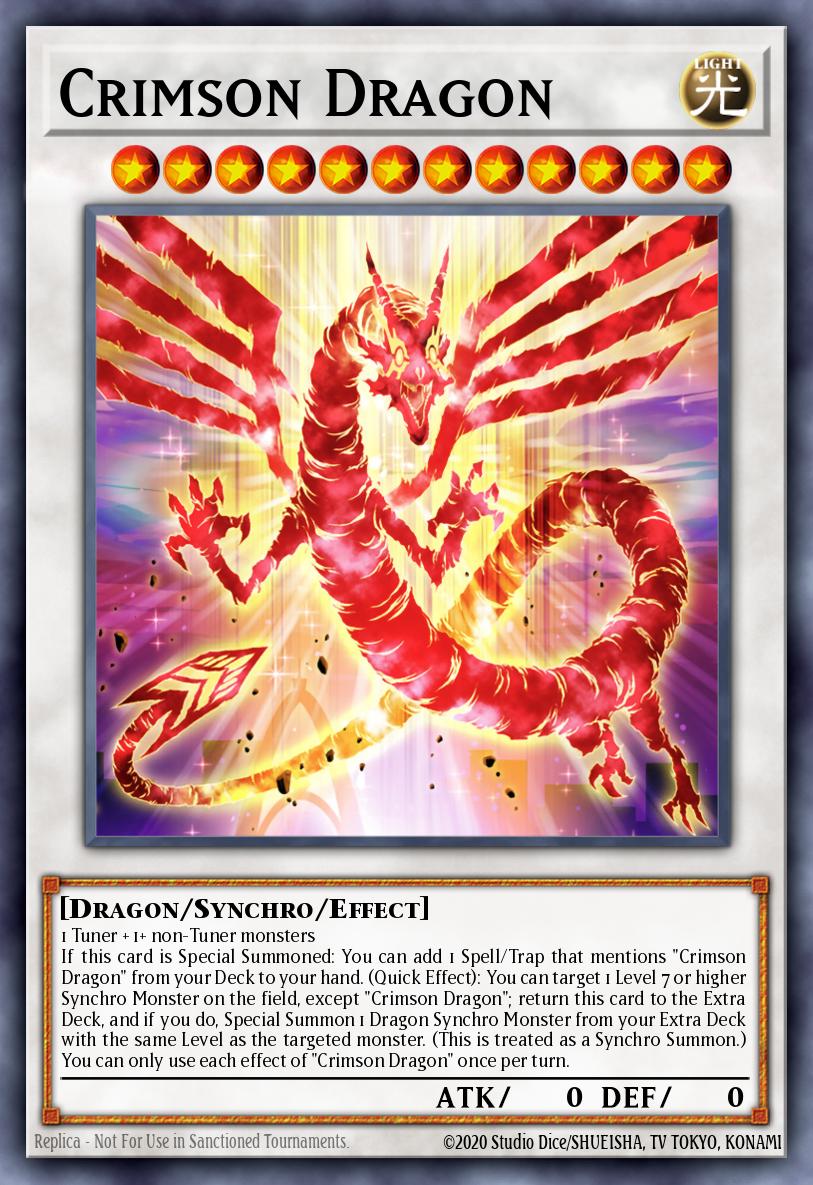

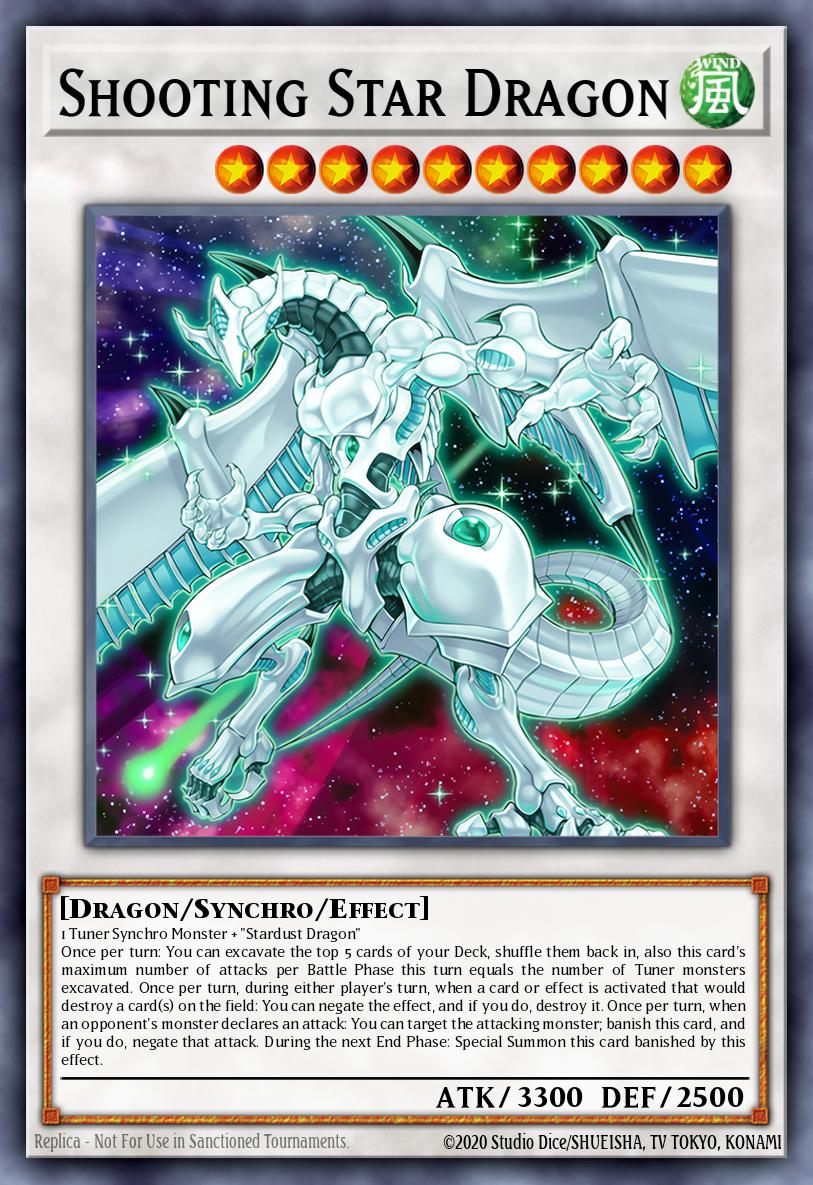
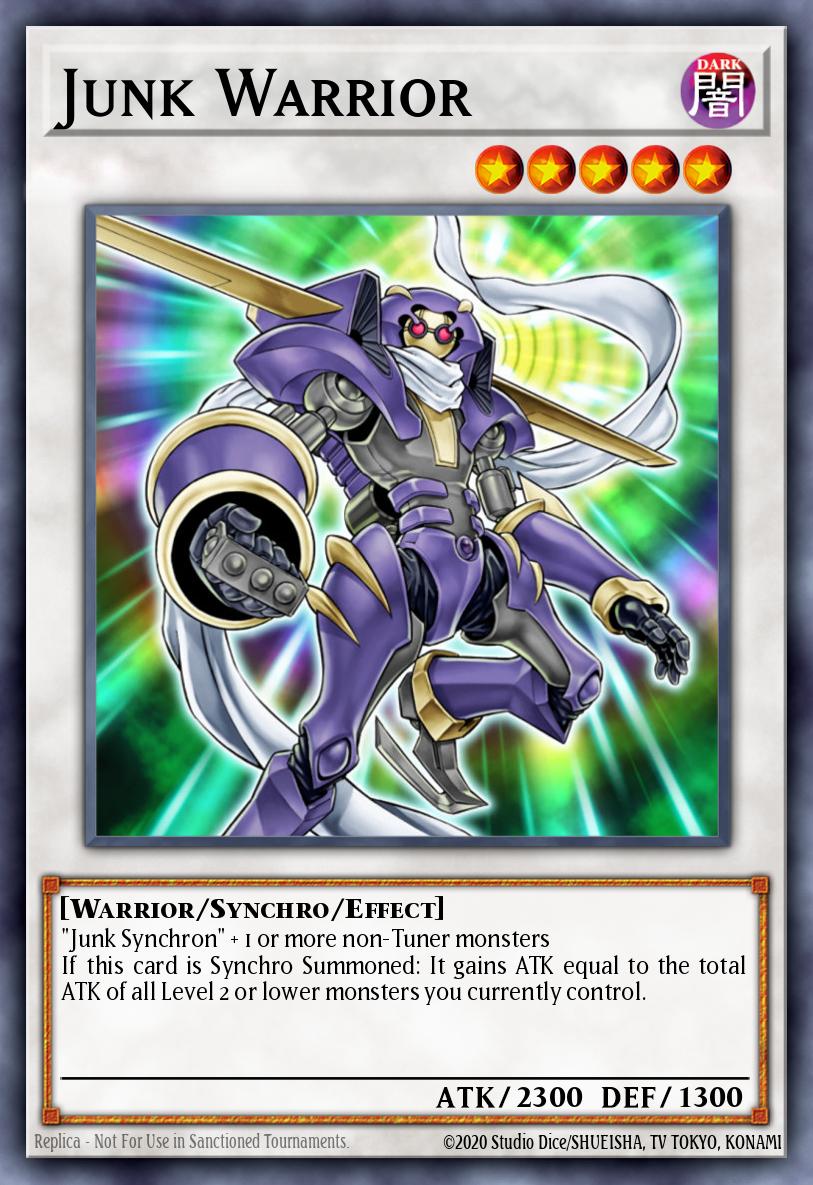
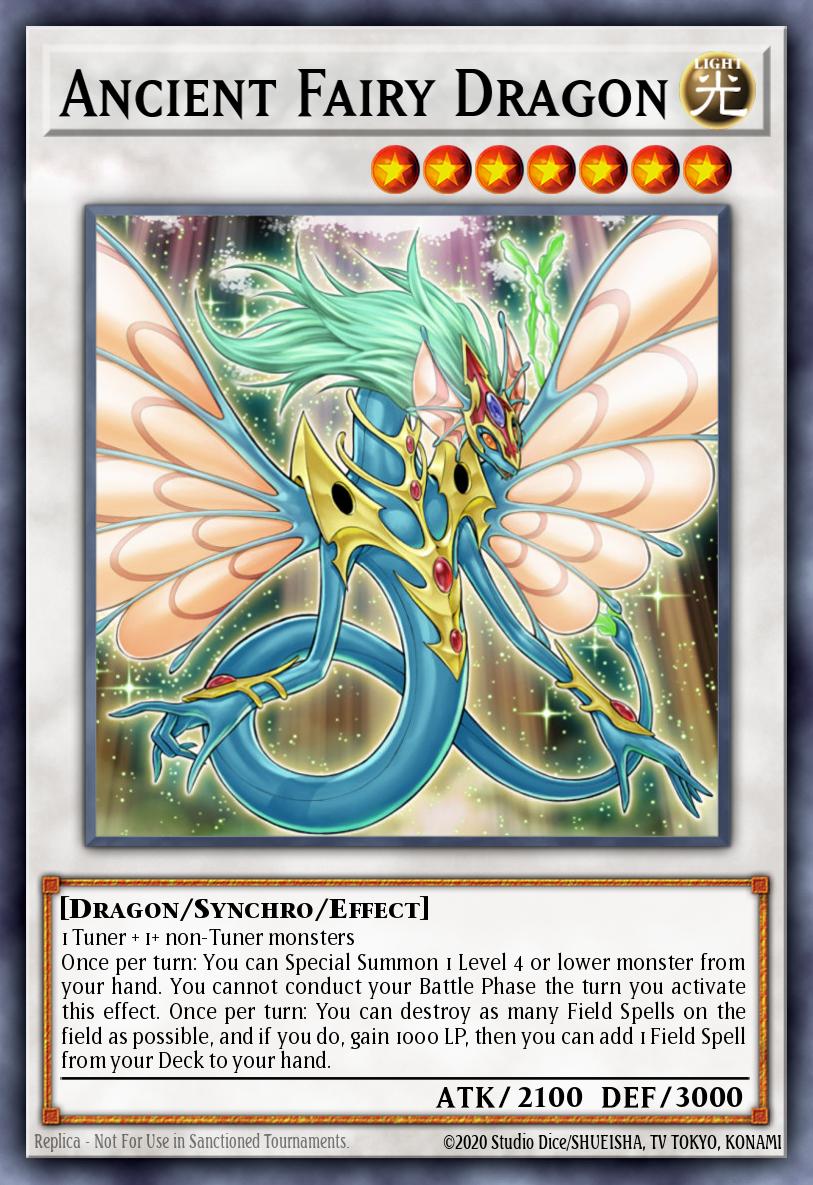
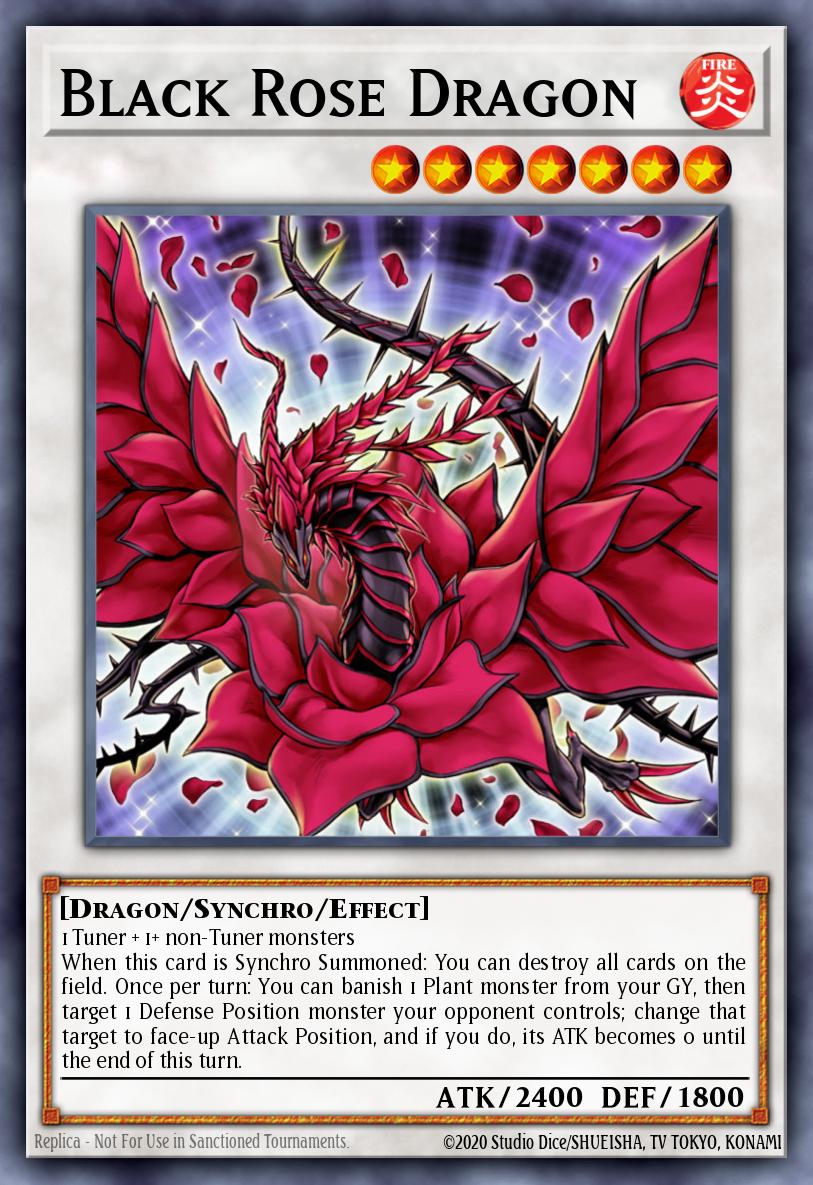
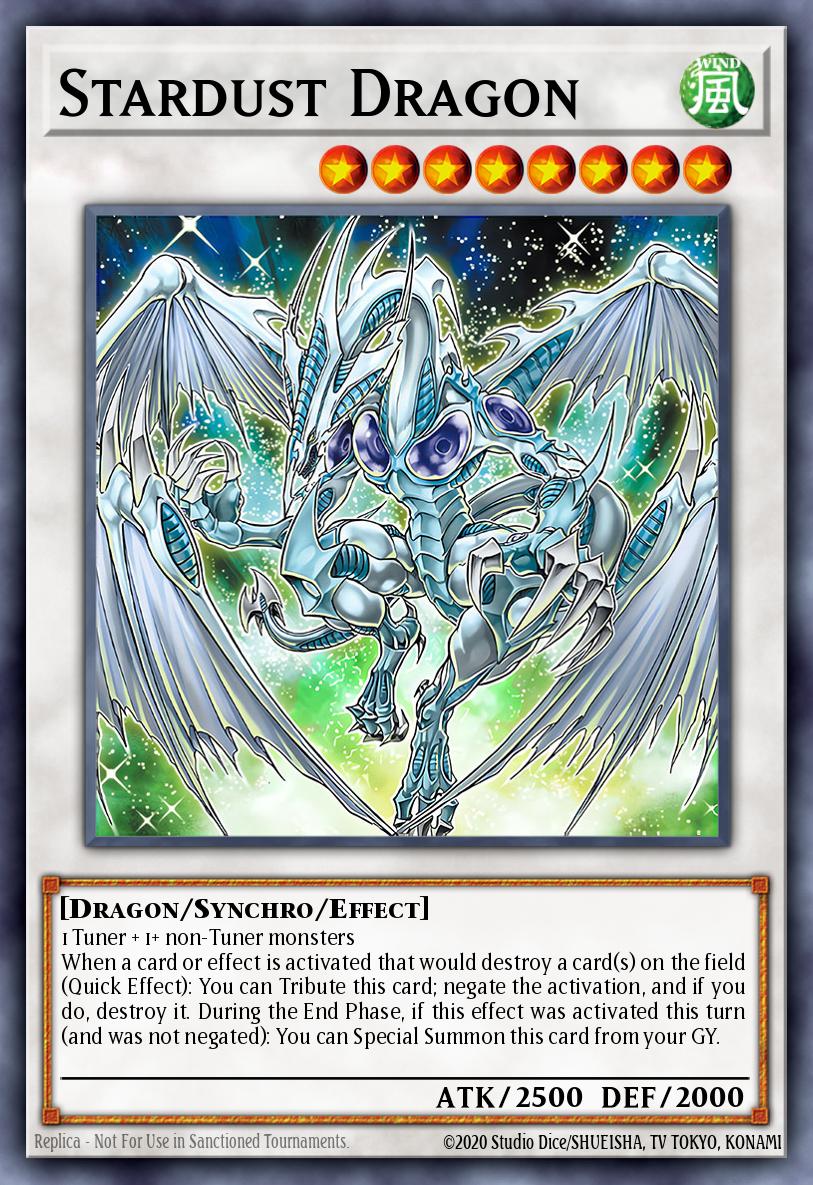

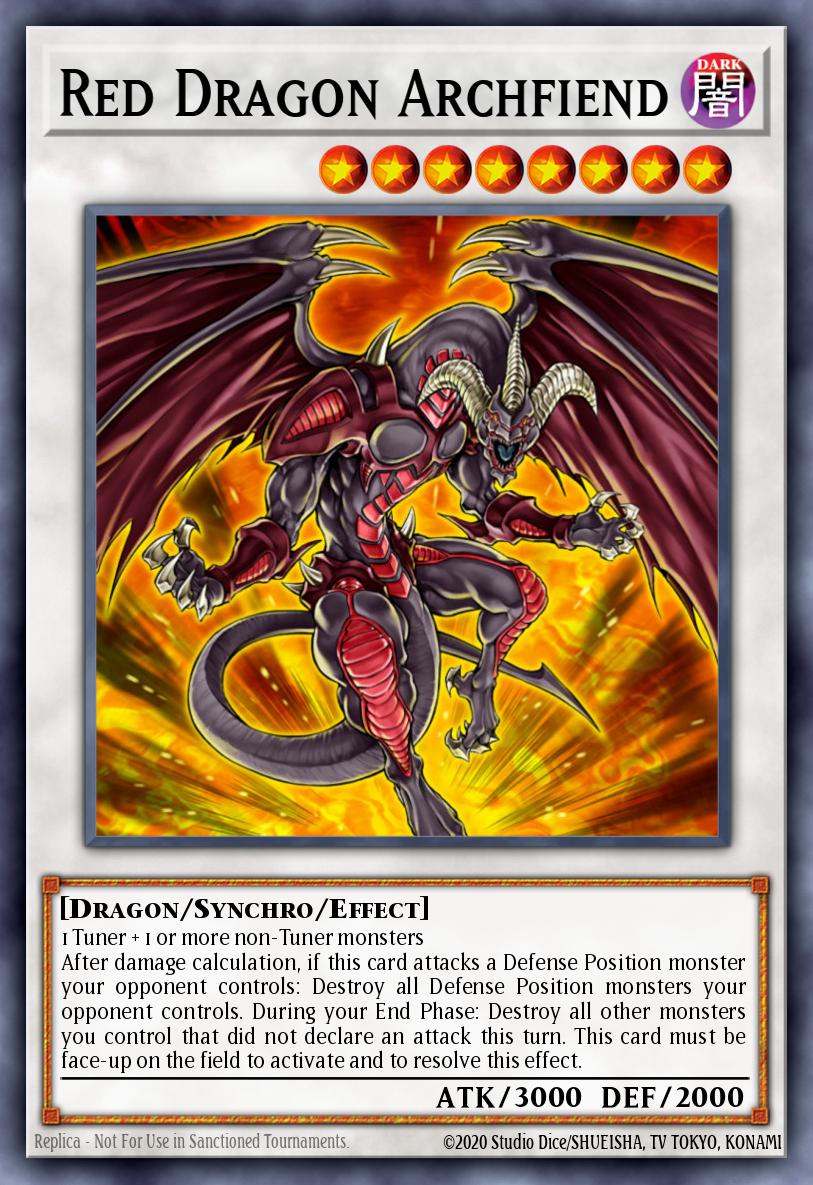
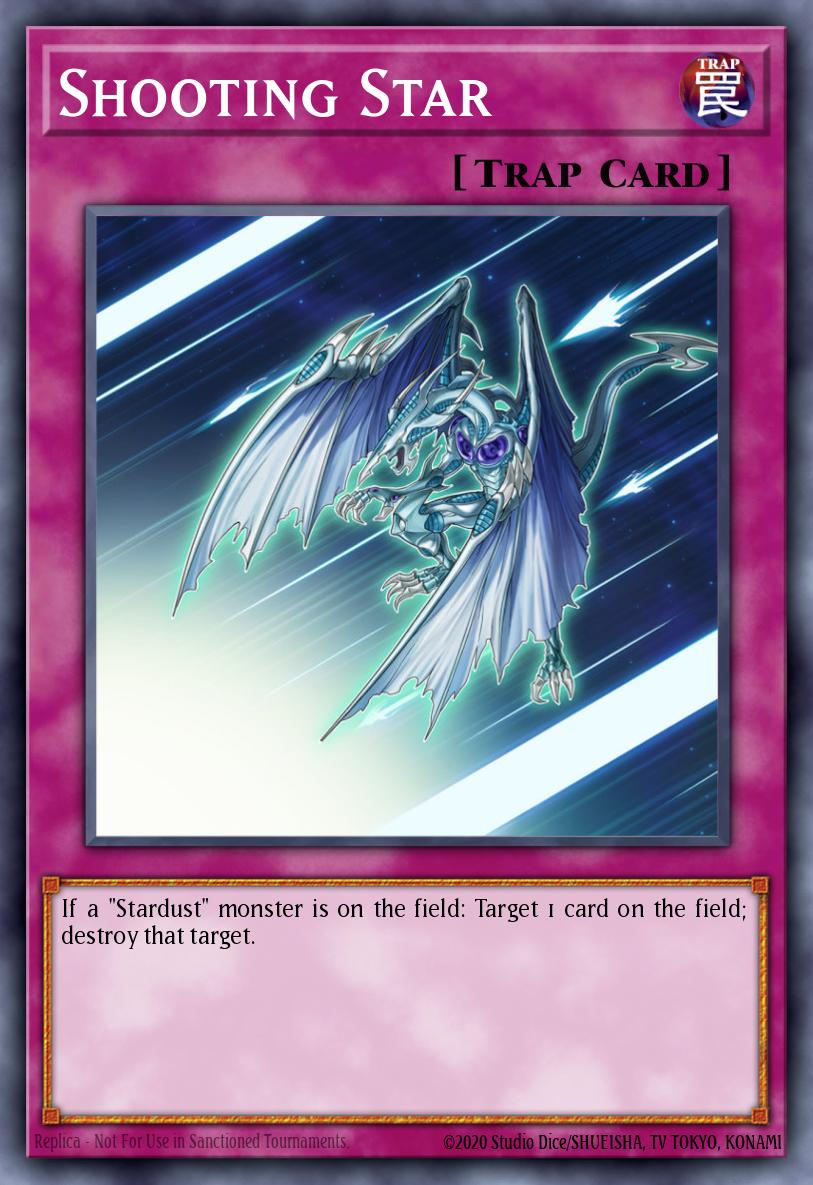
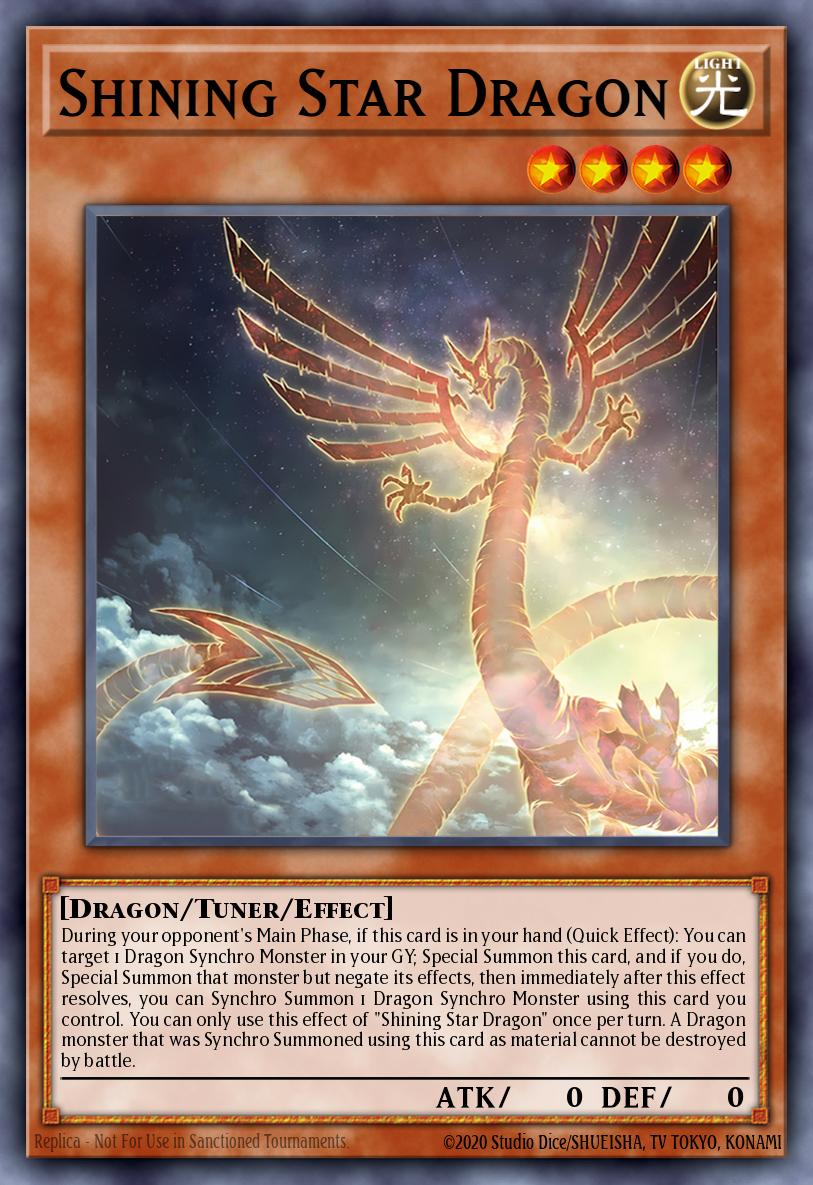
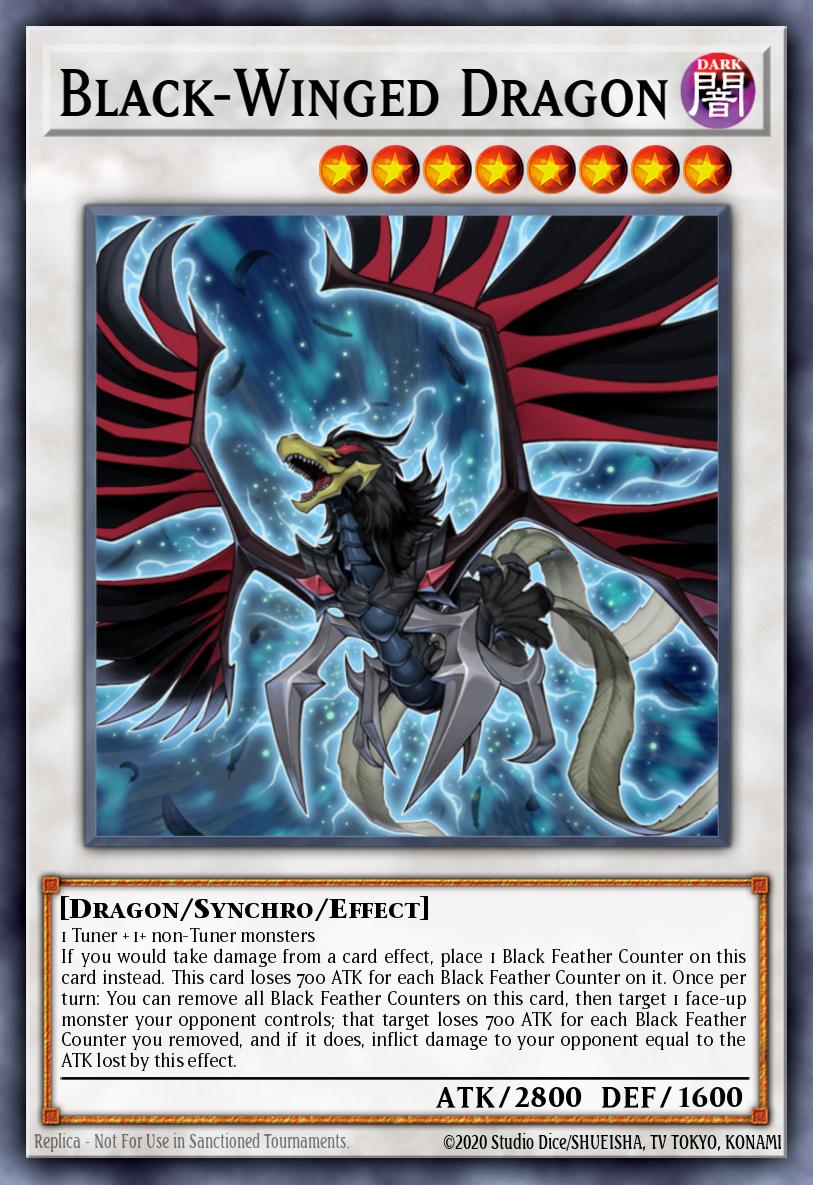

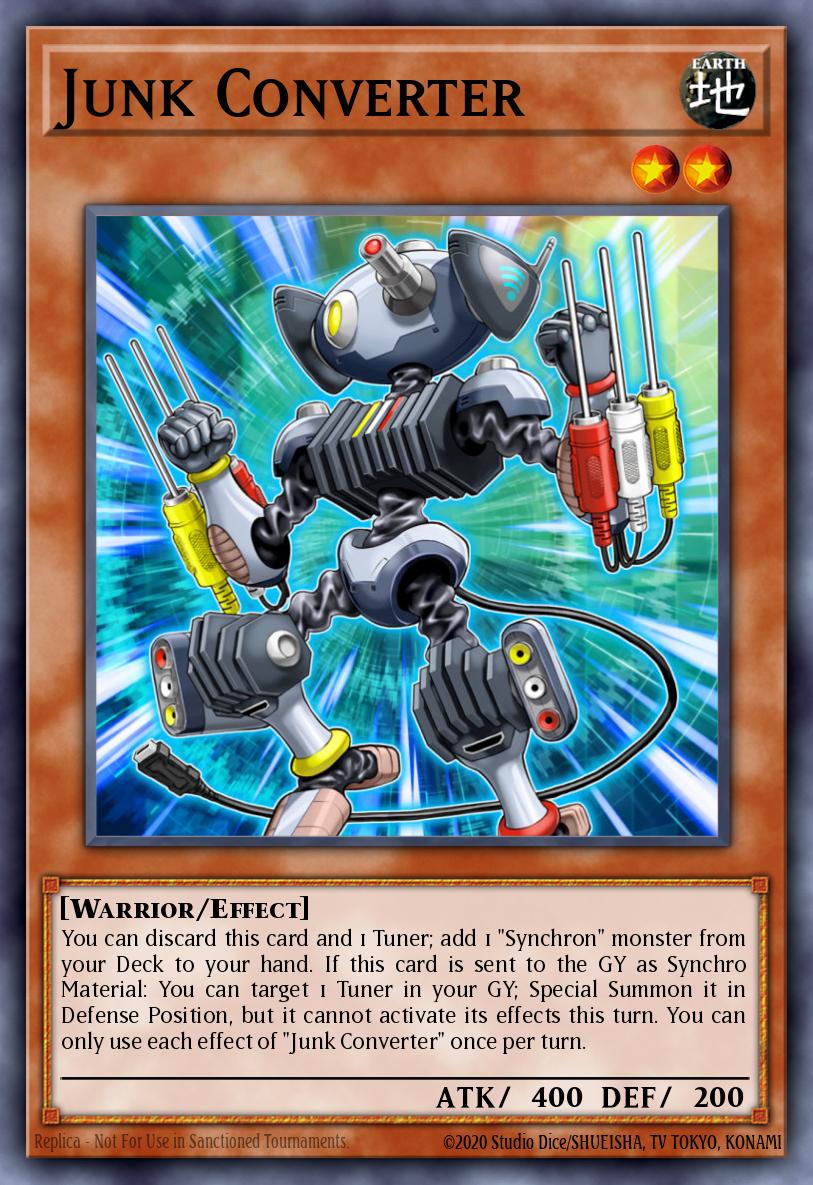
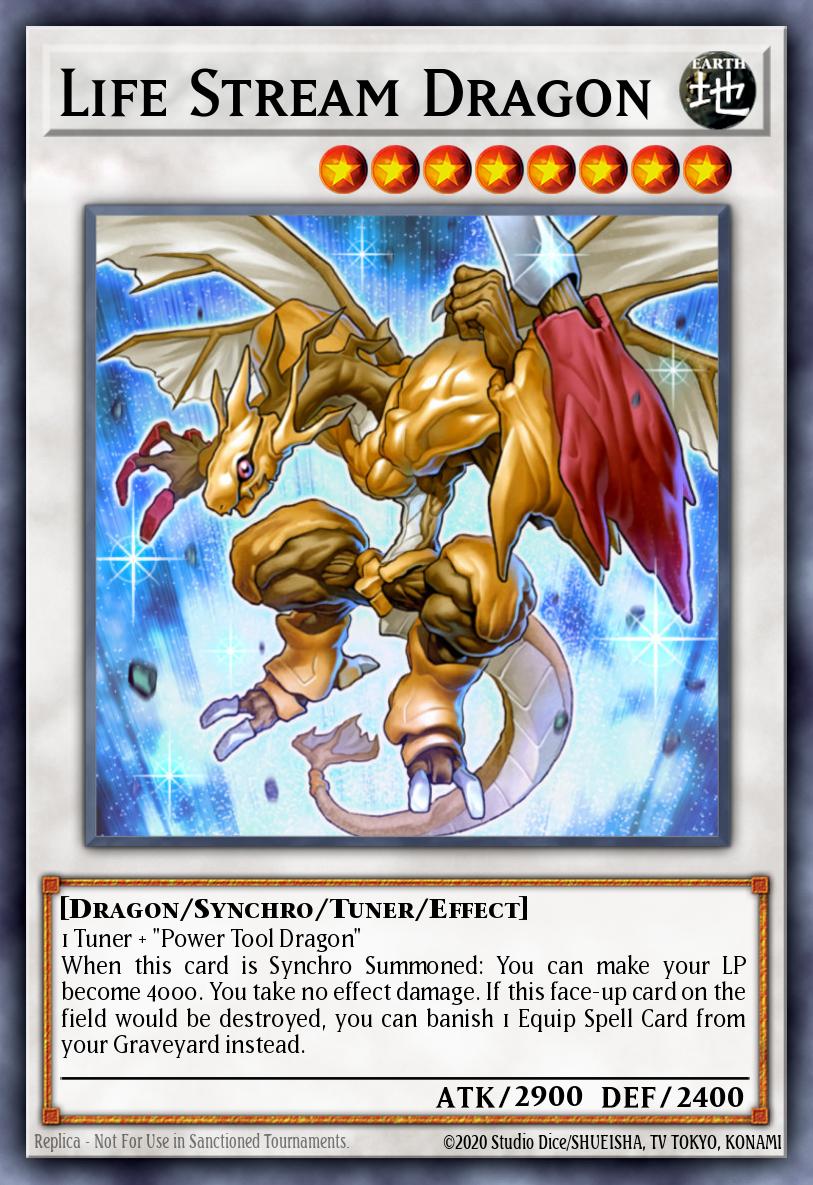
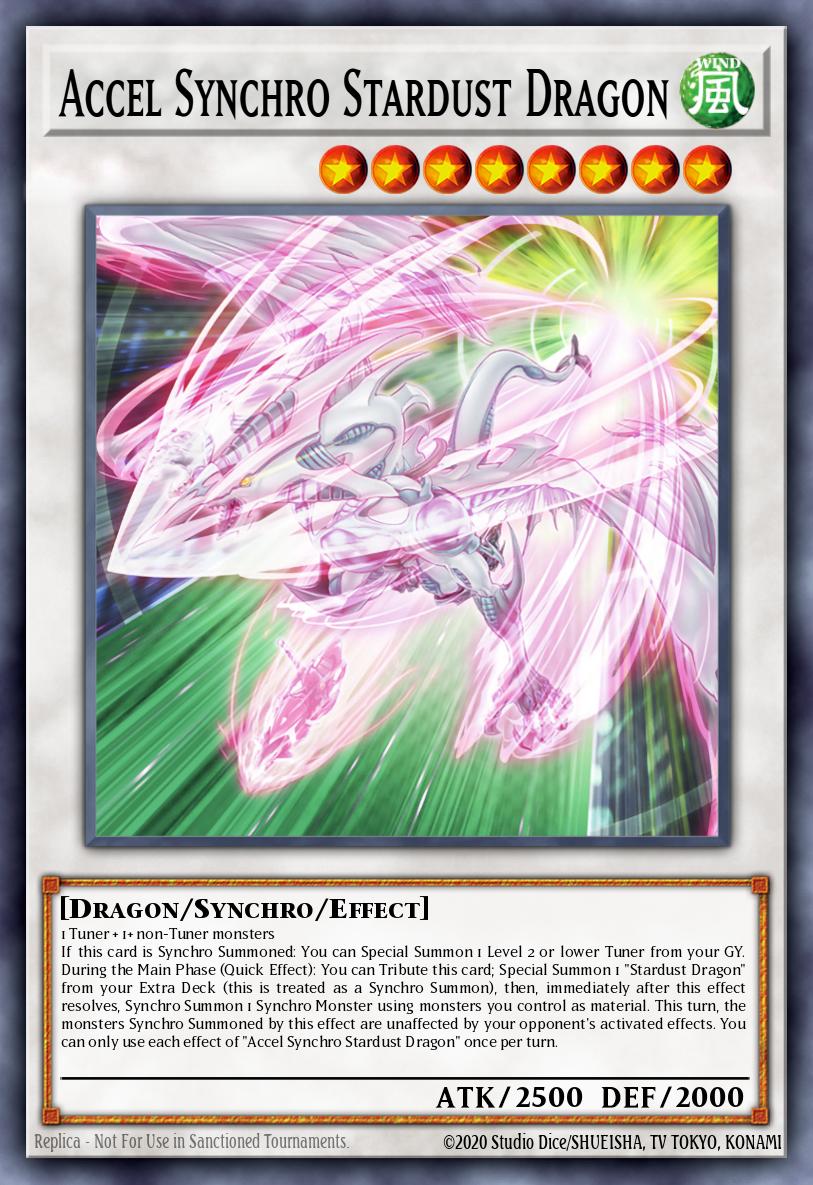

 Bonds of the Converging Stars
Main Deck (25)
- D.D. Crow x2
- Droll & Lock Bird x3
- Stardust Trail x2
- Effect Veiler x1
- Junk Synchron x1
- Shining Star Dragon x2
- Stardust Synchron x2
- Forbidden Droplet x1
- Necrovalley x1
- On Your Mark, Get Set, DUEL! x3
- Synchro World x1
- Tuning x3
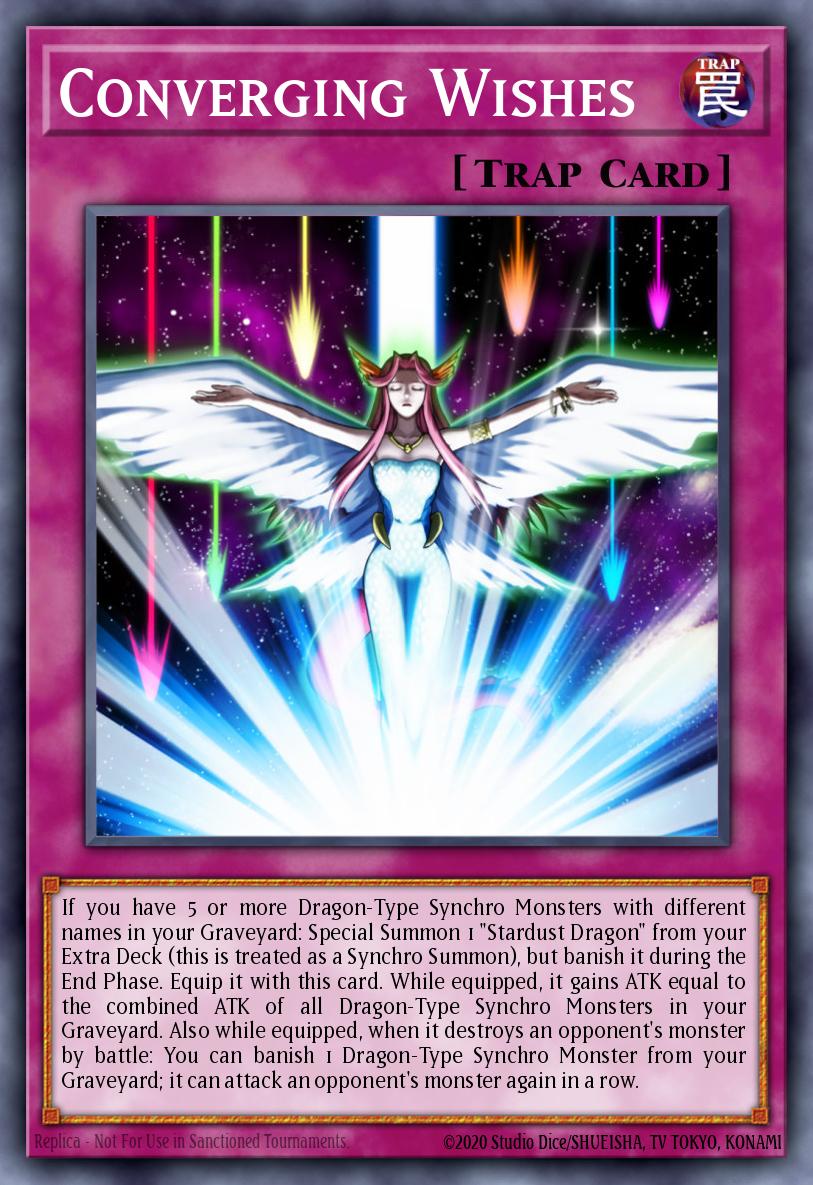
- Converging Wishes x1
- Infinite Impermanence x2
Extra Deck (9)
Couldn't load the deck
Deck — Deck Power Evaluation
Final Contextual Deck Power: 78/100 (Confidence: Medium)
| Overall score | Value |
|---|---|
| Structural Deck Power | 78 |
| Going First | 76 |
| Going Second | 62 |
| Meta Power | provisional |
| Tournament Reliability | 68 |
- Primary strategy: Hybrid Stardust/Synchron Engine with Blinding Second Potential
- Secondary strategies: Blind-Second/OTK, Midrange Engine Building
- Format: duel-links
Legality
Main 25 / Extra 9 / Side 0 — status: Legal.
Identity & game plan
- Win condition: Construct a Stardust Synchron engine and convert it to pressure, interaction, or direct victory; Utilize hand traps and negation cards to disrupt established boards and close games
Why it scores here
This deck presents a compelling Stardust/Synchron hybrid engine with strong opening hand quality and versatile interaction tools like hand traps and negation cards. The core engine combines Stardust Synchron, Shining Star Dragon, and Stardust Trail for potent combo potential, though concrete combo verification remains limited. Interruption resilience is solid due to multiple hand traps and tech cards that can disrupt opponents' sets. The deck excels at closing games with high offensive pressure when the combo chain executes successfully. However, the lack of a side deck and reliance on specific card interactions reduces overall robustness. The main deck efficiency is moderate given the mix of searchers and support cards, while the extra deck maintains good focus on the Stardust Synchro and Shining Star Dragon pillars.
Dimension scores
| # | Dimension | Score | Evidence |
|---|---|---|---|
| D1 | Engine Accessibility & Consistency | 7 | Hypergeometric analysis shows P(≥1 starter in 5) ≈ 0.99, indicating strong engine accessibility despite some Limited cards reducing consistency slightly. |
| D2 | Opening-Hand Quality & Brick Management | 9 | Draw table probabilities indicate high hand viability: 0.5043 chance of having a starter in hand5 and 0.5787 for hand6, demonstrating excellent opening hand quality. |
| D3 | Combo Conversion & Ceiling | 13 | Core cards like Stardust Synchron, Shining Star Dragon, and Stardust Trail provide high ceiling combo potential, with the best line PowerIndex reaching 82. |
| D4 | Combo Floor & Median Output | 6 | The combo floor is constrained by the absence of fully parsed boards, leaving median output uncertain between 50-70 based on archetype purity analysis. |
| D5 | Interruption Resilience & Route Redundancy | 8 | Independent lines from multiple hand traps (Droll, Infinite Impermanence, Effect Veiler) and negation cards (Infinite Impermanence) provide strong route redundancy. |
| D6 | Resource Economy, Recovery & Grind | 6 | Resource economy relies on On Your Mark, Get Set, DUEL! and Tuning for efficient setup, but heavy dependency on specific combo sequences limits grind sustainability. |
| D7 | End-Board & Interaction Quality | 7 | End-board interaction quality is solid, supported by hand traps, negation effects, and removal spells that can challenge established boards. |
| D8 | Going-Second & Board-Breaking Power | 5 | Going-second power is limited; the deck leans more aggressively on early engagement rather than waiting for opponent setup. |
| D9 | Offensive Pressure & Closing Power | 12 | Offensive closing power is high when the Stardust Synchron + Shining Star Dragon + Stardust Trail combo activates, creating massive ATK bursts. |
| D10 | Main Deck Efficiency & Flexibility | 6 | Main deck efficiency is moderate at 6/10, balancing searchers, hand traps, and support cards without overwhelming redundancy. |
| D11 | Extra Deck Efficiency & Coverage | 7 | Extra deck efficiency is 7/10, maintaining focused coverage on Stardust Synchron and Shining Star Dragon for reliable Stardust engine plays. |
| D12 | Side Deck Adaptability | 2 | Side deck adaptability scores 2/10 due to the completely empty side deck, limiting post-side flexibility. |
| D13 | Matchup Coverage & Format Fit | 6 | Matchup format fit scores 6/10; the Stardust/Synchron archetype has presence in Duel Links but faces competition from other formats. |
| D14 | Pilotability & Error Tolerance | 5 | Pilotability and error tolerance score 5/10, as the combo sequence requires precise timing and multiple steps to execute successfully. |
How the score was computed
Strategy profile: Hybrid Stardust/Synchron Engine with Blinding Second Potential. Structural ≈ 78, Going First ≈ 76, Going Second ≈ 62, Meta = provisional, Tournament Reliability ≈ 68. Modifiers: side_deck_lack (3); combo_unverified (4). Final formula: 0.80*Structural + 0.20*TournamentReliability (Meta provisional)
Probability & combo summary
- Opening a starter: P(≥1) ≈ — · key two-card combo ≈ — · full-brick estimate ≈ — (all Inferred)
- Combo output: best PowerIndex 82, median 61, board-per-starter 2.6
- Turn order: 3 going-first lines vs 2 going-second lines
Strengths
- Excellent opening hand quality with high starter inclusion probability
- Strong interaction layer featuring multiple hand traps and negation cards
- High offensive closing power when combo chains execute successfully
- Good engine coherence with clear archetype purity
Weaknesses
- Lacks a side deck, severely limiting post-side adaptability
- Heavy reliance on specific combo sequences reduces versatility
- Some Limited cards (Synchro World, Necrovalley) introduce slight consistency risks
- Going-second power is limited compared to pure combo decks
Critical choke points
- Dependence on precise timing for the Stardust Synchron + Shining Star Dragon + Stardust Trail combo sequence
- Lack of diverse recovery options beyond the main engine
- Empty side deck prevents adaptation to changing matchups
Recommended changes
| Priority | Remove | Add | Reason |
|---|---|---|---|
| 1 | Consider adding a dedicated side deck for post-side flexibility | Include flexible removal and interaction cards to improve recovery | Current deck lacks side deck adaptability (d12=2) and has limited post-side options. |
| 2 | Reduce reliance on specific combo sequences that haven't been empirically tested | Develop backup plans and alternative interactions to increase route redundancy | Interruption resilience (d5=8) is good but depends heavily on successful combo execution. |
| 3 | Optimize Limited card count to improve consistency | Replace one Limited card (e.g., Synchro World) with a more consistent spell/trap | Legal copy count of Limited cards affects consistency (d1) and overall reliability. |
Evidence & confidence
- Verified: Legal status confirmed by banfield rules; Main deck size of 25 matches Duel Links size rules; Probability estimates derived from hypergeometric draw tables
- Observed: High starter inclusion probability (0.99) in hand5; Multiple hand trap types identified (Droll, Infinite Impermanence, Effect Veiler); Negation capabilities from Infinite Impermanence and other cards
- Inferred: Combo ceiling of 82 based on core card analysis and archetype patterns; Median output around 61 due to mixed engine strengths; Interruption resilience rating of 8 from hand trap and negation redundancy
- Provisional: Meta power remains provisional due to lack of dated tournament samples; Tournament reliability scored provisionally based on archetype presence alone
- Data gaps: No parseable combo boards available for empirical floor/median/ceiling determination No tournament records or win-rate telemetry in the dataset Missing information on card banlist status for some restricted cards No usage statistics beyond the basic archetype purity metrics
Couldn't load the combos
