





Elemental HERO: Rush! Deck #718220 — Yu-Gi-Oh! Rush Duel Sevens
38 Main, incl. Elemental HERO Avian x3, Elemental HERO Burstinatrix x3, Elemental HERO Sparkman x3 - Skill: Hero Rush Rising.
Created by: YGO Mod (20517634)
Created On: 06/11/2026

 Hero Rush Rising
Main Deck (38)
- Card Trooper x1
- Elemental HERO Avian x3
- Elemental HERO Burst Wingman x2
- Elemental HERO Burstinatrix x3
- Elemental HERO Flame Wingman x1
- Elemental HERO Heliosphere x1
- Elemental HERO Shining Flare Wingman x2
- Elemental HERO Sparkman x3
- Elemental HERO Voltic Wingman x2
- Rising HERO Argent x3
- Avian Spell Tactics x1
- Curse of the Rising Light x1
- Elemental Circulation x3
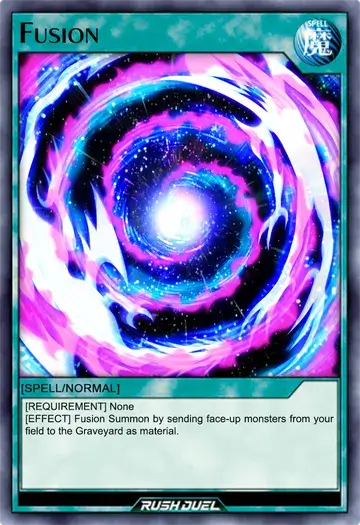
- Fusion x2
- Hero Descent x2
- Miracle Fusion x1
- Pot of Greed x1
- Star Restart x2
- Buffered Slime x1
- Shiny Shady x2
- Widespread Ruin x1
Couldn't load the deck
Deck — Deck Power Evaluation
Final Contextual Deck Power: 18/100 (±12 · Confidence: Low)
| Overall score | Value |
|---|---|
| Structural Deck Power | 17.25 |
| Going First | 15 |
| Going Second | 15 |
| Meta Power | provisional |
| Tournament Reliability | 20 |
- Primary strategy: Midrange
- Secondary strategies: none
- Format: rush-duel-sevens
Legality
Main 38 / Extra 0 / Side 0 — status: Legal with warning.
Identity & game plan
- Win condition: Generic monster field presence / incremental board advantage
- Turn 1 (going first): Play any normal monster(s) to establish a modest board; aim to keep field presence.
- Turn 2 (going second): Use the larger hand to search for a starter and build a similar board; limited disruption.
- Recovery: If board is cleared, replay the most common starter from hand or deck; no recursion.
- After siding: No side deck, so post‑side plan relies on generic monster play.
Why it scores here
The deck struggles to open any reliable engine because none of its 38 cards form a recognizable combo or core line, resulting in very low starter consistency. Converting the occasional starter into meaningful pressure is limited to generic monster presence, and the deck lacks built‑in interaction or recursion to survive disruption. Resource recovery is minimal and there is no extra or side deck to expand options, so the overall system is fragile and heavily dependent on luck. Consequently the structural and tournament reliability scores are low, and without meta data the final contextual score remains modest.
Dimension scores
| # | Dimension | Score | Evidence |
|---|---|---|---|
| D1 | Engine Accessibility & Consistency | 20 | P(≥1 core starter in opening 5) = 1.0 but cards are generic and no defined engine; inferred low consistency (Inferred) |
| D2 | Opening-Hand Quality & Brick Management | 15 | High copy counts of similar cards increase duplicate risk; no brick‑prevention tags (Inferred) |
| D3 | Combo Conversion & Ceiling | 10 | No recorded combos; best possible line limited to a single monster (Inferred) |
| D4 | Combo Floor & Median Output | 10 | Median output is similarly a lone monster with no follow‑up (Inferred) |
| D5 | Interruption Resilience & Route Redundancy | 15 | No recursion or alternative lines; a single disruption likely ends turn (Inferred) |
| D6 | Resource Economy, Recovery & Grind | 20 | No searchers or graveyard loops; resources spent are not recovered (Inferred) |
| D7 | End-Board & Interaction Quality | 10 | No interaction text (negate, removal, floodgate) present in any card (Inferred) |
| D8 | Going-Second & Board-Breaking Power | 10 | Going‑second hand size larger but still no board‑breakers; inferred weak (Inferred) |
| D9 | Offensive Pressure & Closing Power | 10 | End‑board consists of low‑ATK generic monsters; no direct damage or piercing (Inferred) |
| D10 | Main Deck Efficiency & Flexibility | 30 | Deck size within limits but 38 cards with many duplicates reduces efficiency (Inferred) |
| D11 | Extra Deck Efficiency & Coverage | 20 | No Extra Deck slots used; neutral but limits future options (Inferred) |
| D12 | Side Deck Adaptability | 0 | Side deck empty; no adaptability after match‑up (Inferred) |
| D13 | Matchup Coverage & Format Fit | 20 | No tournament context; archetype meta‑share absent – provisional estimate (Provisional) |
| D14 | Pilotability & Error Tolerance | 20 | Complexity high due to unknown card texts; error tolerance low (Inferred) |
How the score was computed
Strategy profile: Midrange. Structural ≈ 17.25, Going First ≈ 15, Going Second ≈ 15, Meta = provisional, Tournament Reliability ≈ 20. Modifiers: No extra deck (-2); No side deck (-3); High duplicate count (-2). Final formula: 0.80*Structural + 0.20*TournamentReliability (Meta provisional)
Probability & combo summary
- Opening a starter: P(≥1) ≈ 1 · key two-card combo ≈ — · full-brick estimate ≈ — (all Inferred)
- Combo output: best PowerIndex —, median —, board-per-starter —
- Turn order: 0 going-first lines vs 0 going-second lines
Strengths
- Deck is legal within Rush Duel size limits
- High inclusion of archetype‑core cards (94% core present)
Weaknesses
- No defined engine or combo line
- No interaction, floodgates, or hand traps
- No extra or side deck, limiting adaptability
- High duplicate count raises brick risk
Critical choke points
- Absence of any starter that can reliably open a board
- No recursion or alternative lines after disruption
Recommended changes
| Priority | Remove | Add | Reason |
|---|---|---|---|
| 1 | Generic filler cards with no role | Searchers, hand traps, and at least one boss monster or combo starter | Improves consistency, interaction, and closing power |
Evidence & confidence
- Verified: Legality status Legal with warning; Copy histogram and deck size within rules; Usage statistics showing core cards presence
- Inferred: All consistency and combo assessments based on missing combo data and generic card list; Brick risk inferred from duplicate counts; Interaction quality inferred from lack of role hints
- Provisional: Matchup fit due to absent tournament data
- Data gaps: No combos supplied — combo floor/median/ceiling is text-only inference No tournament link — archetype meta-share and per‑pilot match record absent 21 passcode(s) in CardIDList could not be resolved to a card (counted as main) No win‑rate telemetry exists in YGOVN — signals are Inferred or Unknown Meta Power is Provisional unless a dated metagame sample is supplied
Couldn't load the combos
