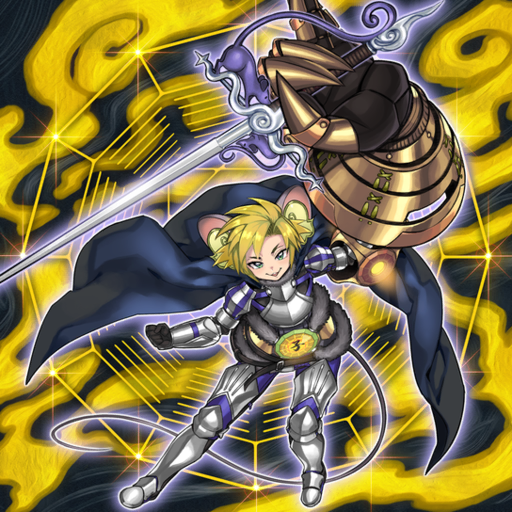
Zoodiac Deck #718109 — Yu-Gi-Oh! Duel Links
30 Main, 9 Extra, incl. Effect Veiler x3, Ghost Belle & Haunted Mansion x3, Dark Ruler No More x3 - Skill: Zoodiac Conclave.
Created by: YGO Mod (20517634)
Created On: 06/11/2026

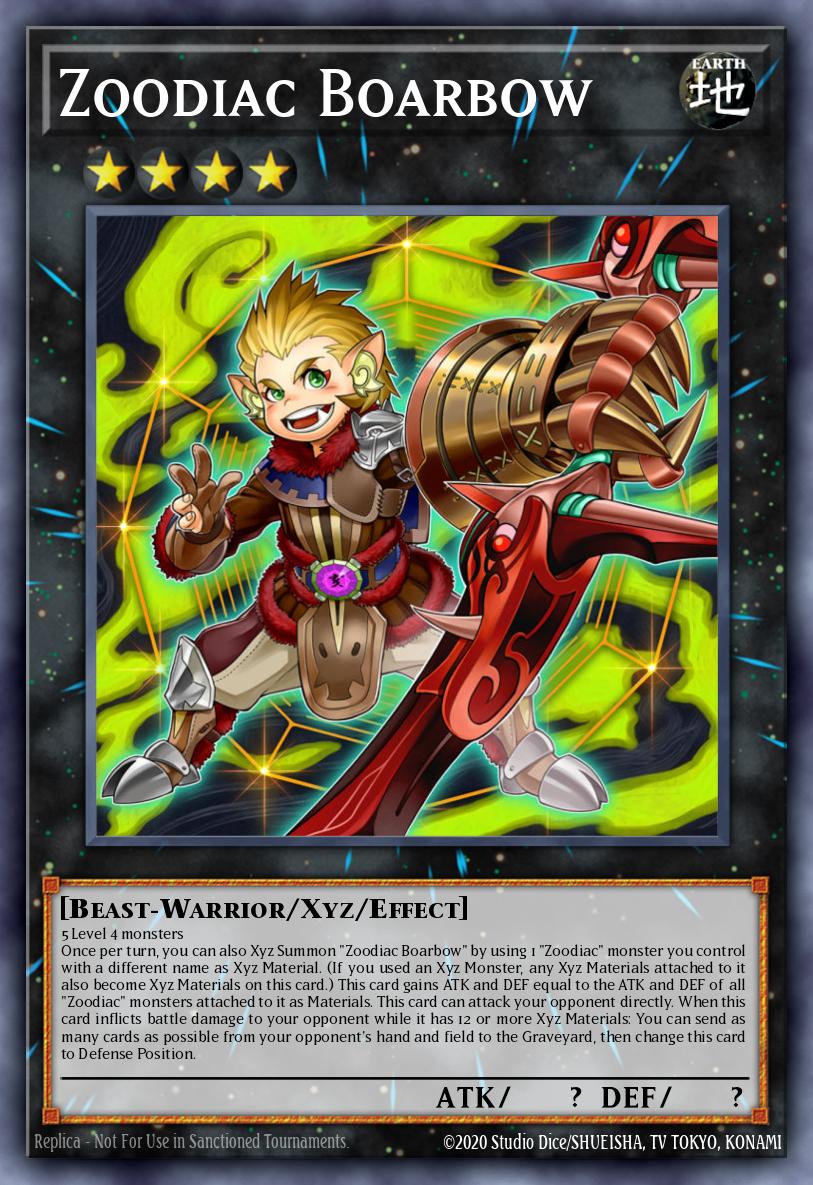

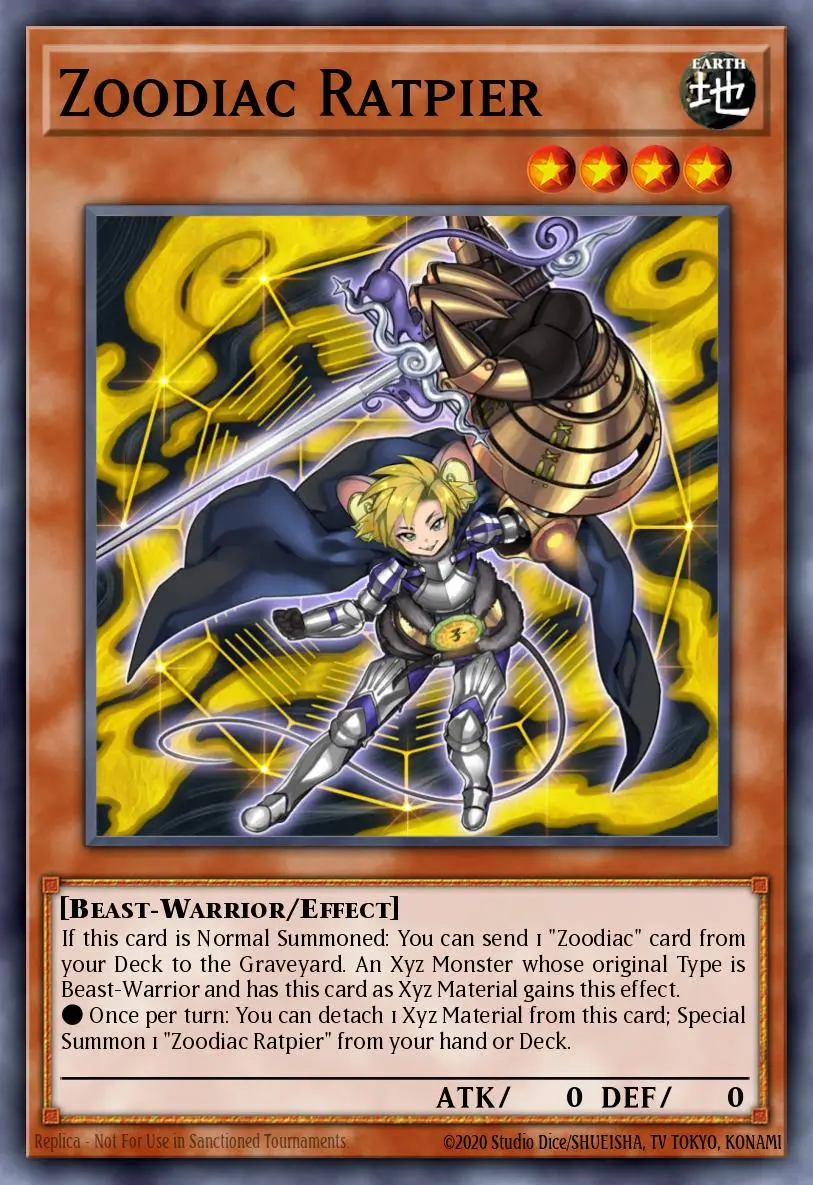

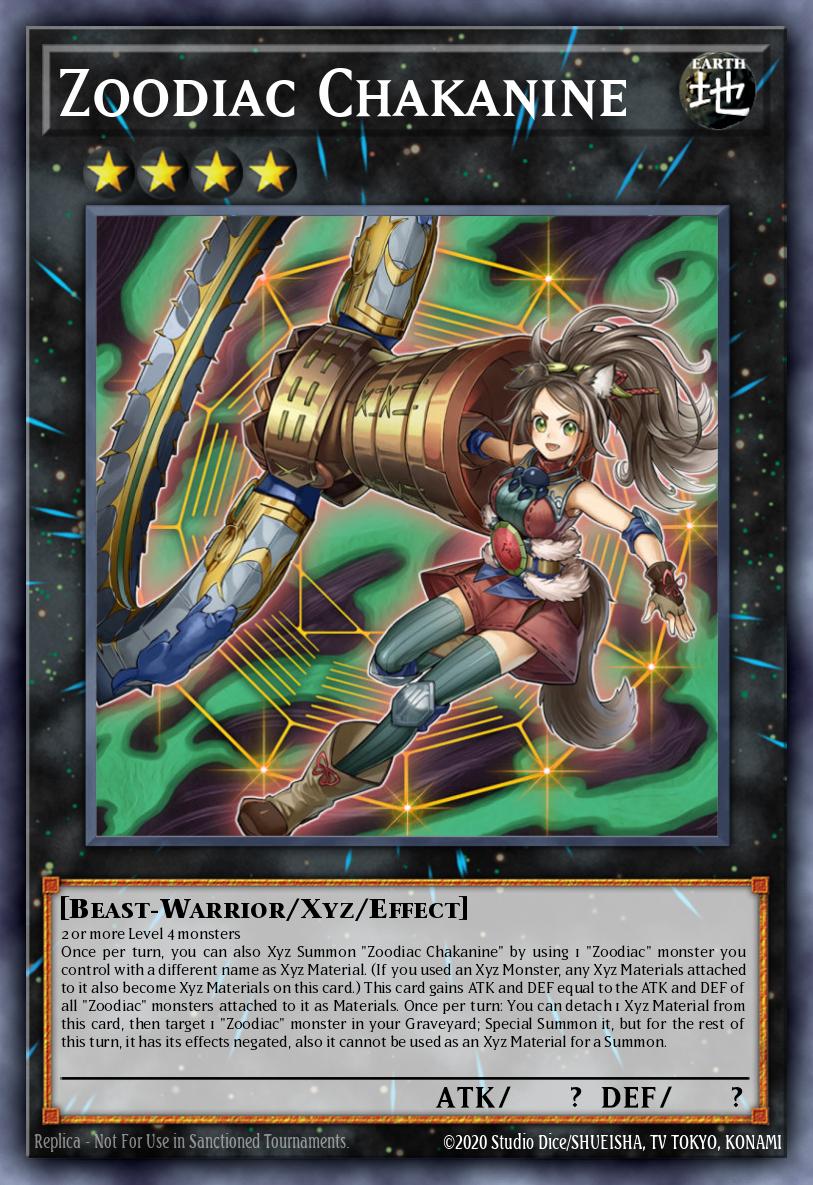
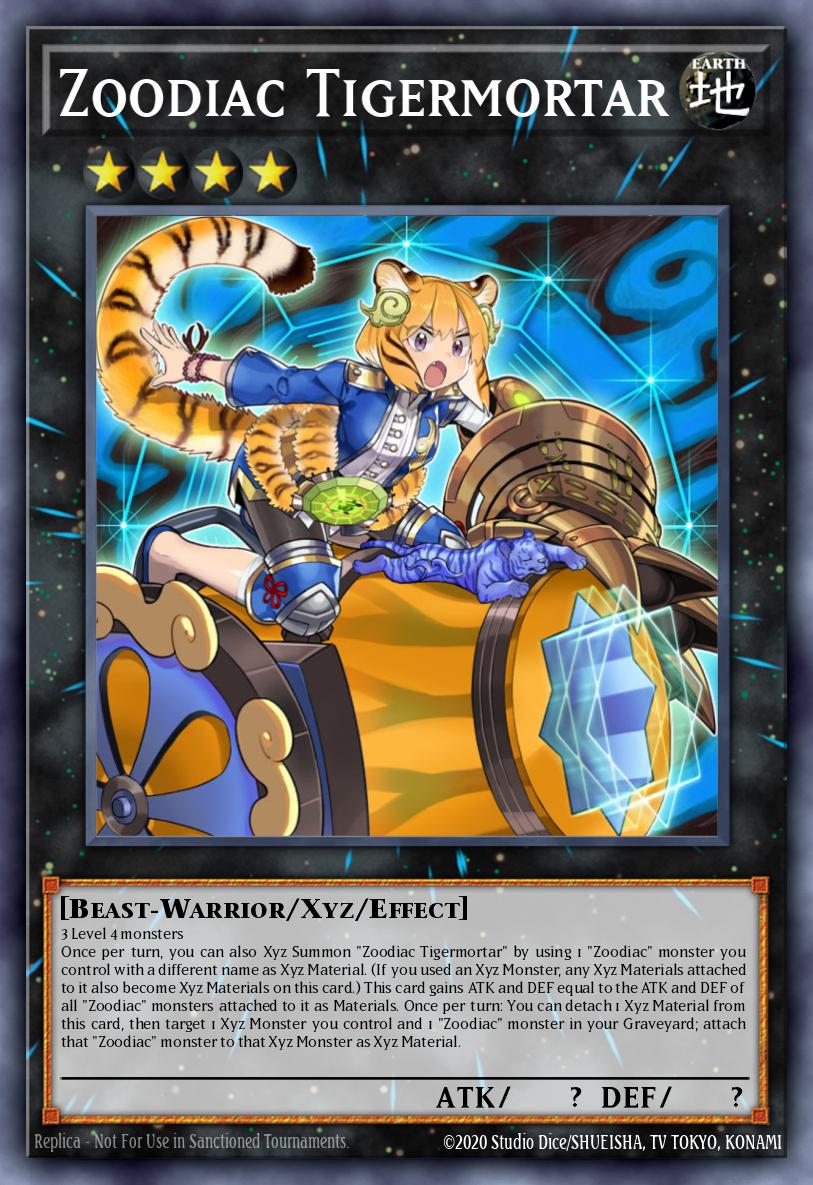
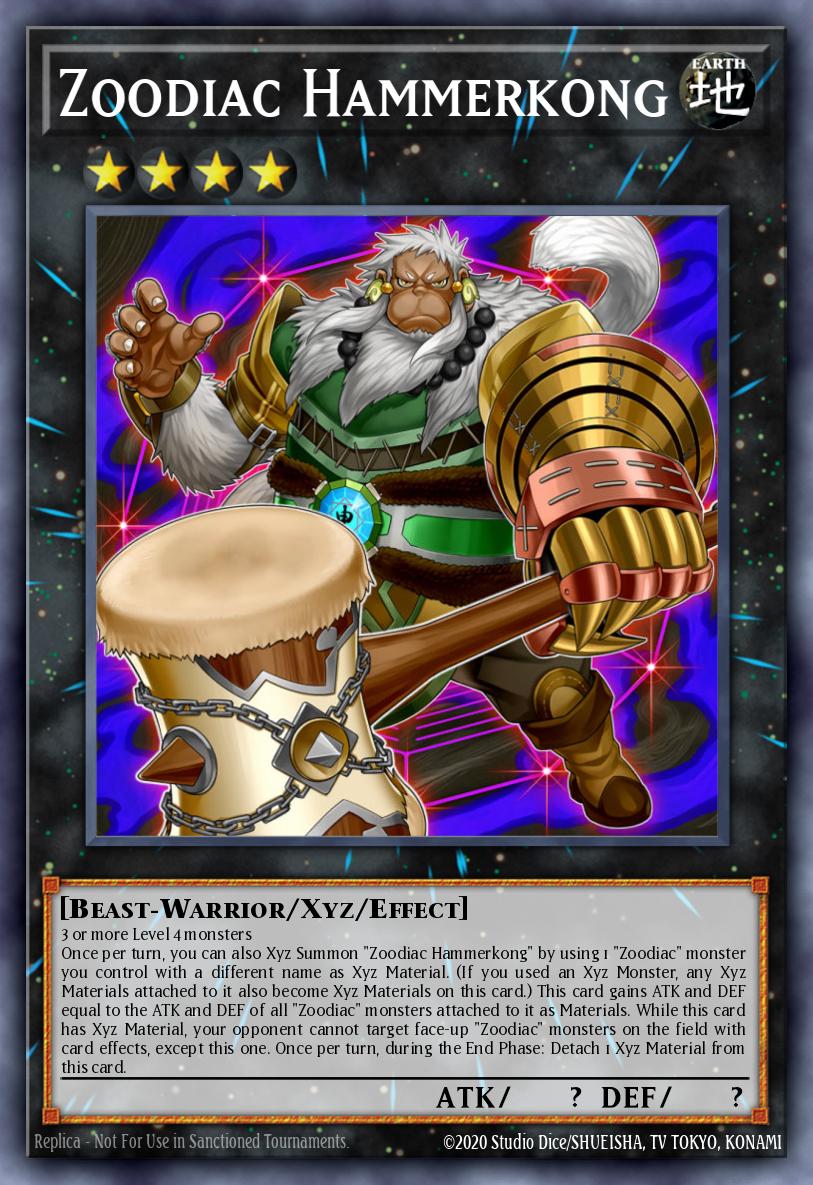
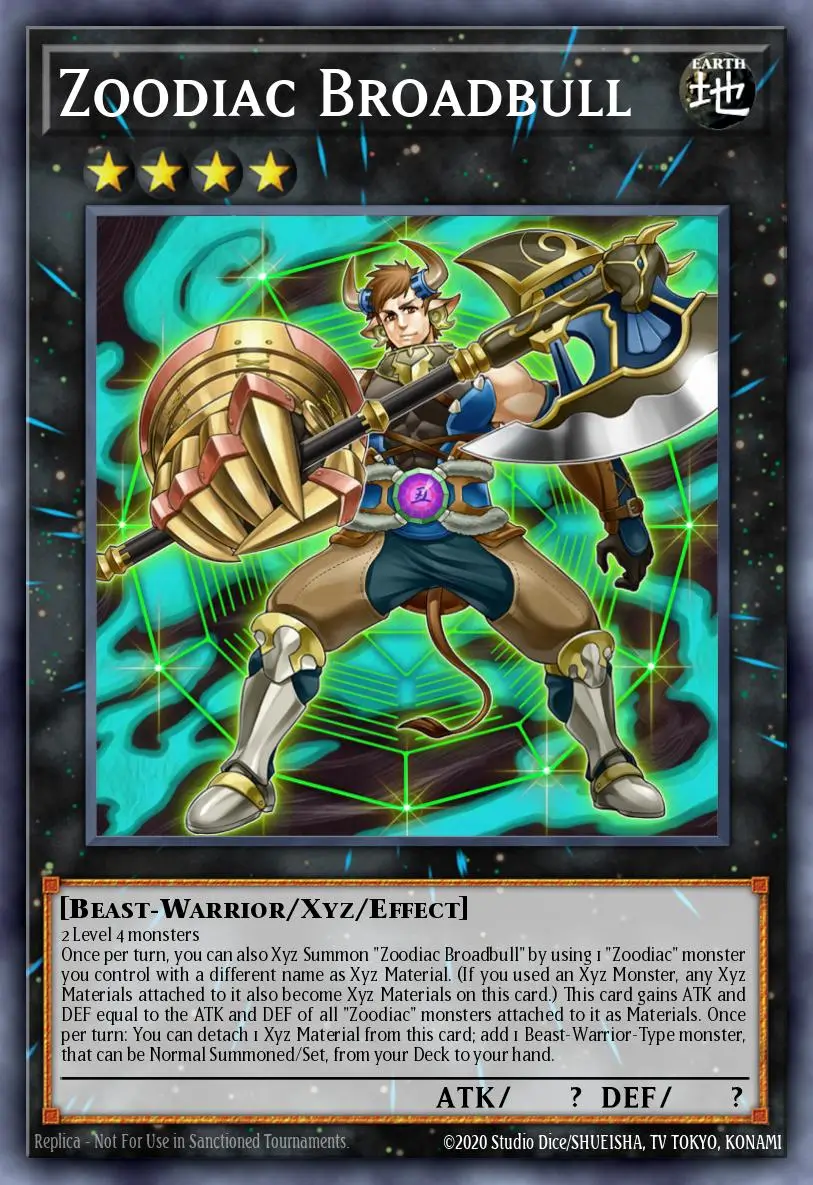
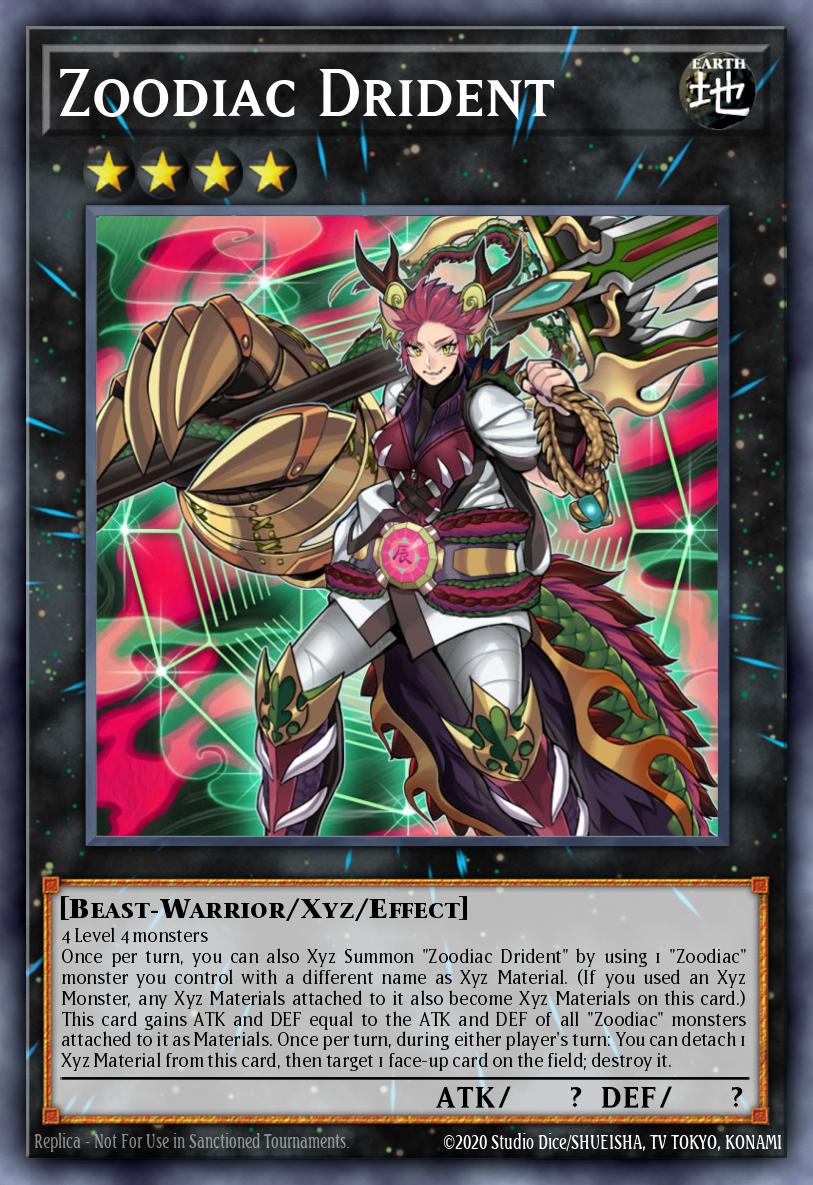
 Zoodiac Conclave
Main Deck (30)
- D.D. Crow x1
- The Winged Dragon of Ra - Sphere Mode x1
- Tri-Brigade Fraktall x1
- Tri-Brigade Kerass x1
- Zoodiac Ramram x1
- Zoodiac Ratpier x1
- Zoodiac Thoroughblade x2
- Zoodiac Whiptail x2
- Effect Veiler x3
- Ghost Belle & Haunted Mansion x3
- Dark Ruler No More x3
- Fire Formation - Tenki x3
- Forbidden Droplet x3
- Zoodiac Barrage x3
- Sunavalon Bloom x1
- Tri-Brigade Revolt x1
Extra Deck (9)
Couldn't load the deck
Deck — Deck Power Evaluation
Final Contextual Deck Power: 52/100 (±7 · Confidence: Medium)
| Overall score | Value |
|---|---|
| Structural Deck Power | 52.2 |
| Going First | 58 |
| Going Second | 55 |
| Meta Power | provisional |
| Tournament Reliability | 50 |
- Primary strategy: Control
- Secondary strategies: none
- Format: duel-links
Legality
Main 30 / Extra 9 / Side 0 — status: Legal.
Identity & game plan
- Win condition: Control the opponent with hand traps and negations, then win via incremental advantage and occasional Link summons; Board presence through Tri‑Brigade and Sunavalon links
- Turn 1 (going first): Set up hand traps, activate Zoodiac Barrage to summon a Zoodiac monster, then use available links/Xyz to build a board while negating opponent actions
- Turn 2 (going second): Use the larger hand to drop multiple hand traps, disrupt opponent, then summon a Tri‑Brigade or Sunavalon link to break their board
- Recovery: Recycle resources with Forbidden Droplet, Ghost Belle, and draw engines like Thoroughblade; use Fire Formation Tenki to fetch Beast‑Warrior monsters
- After siding: No side deck; rely on flexible extra‑deck summons and hand‑trap redundancy
Why it scores here
The deck reliably opens with several hand traps (≈70% chance in a 5‑card hand) and can negate opponent plays, giving it solid control footing. Its engine is fragmented—Zoodiac Barrage and Ratpier provide occasional Xyz/Link options but lack a dedicated Zoodiac Xyz core, limiting combo ceilings. Interaction density is high thanks to many negation and removal cards, while resource recovery is modest through discard‑to‑draw effects. However, low archetype purity, absence of a side deck, and limited closing power keep the overall structural rating moderate.
Dimension scores
| # | Dimension | Score | Evidence |
|---|---|---|---|
| D1 | Engine Accessibility & Consistency | 55 | P(at least one hand trap in opening 5) ≈ 0.70; 7 hand trap copies give moderate starter reliability (Inferred) |
| D2 | Opening-Hand Quality & Brick Management | 45 | With 7 hand trap copies out of 30, chance of a brick hand (no trap) ≈ 24% (Inferred) |
| D3 | Combo Conversion & Ceiling | 50 | Best plausible line uses Zoodiac Barrage + Ratpier + Tri‑Brigade Revolt to field a Link monster, but no recorded boards (Inferred) |
| D4 | Combo Floor & Median Output | 40 | Typical hands resolve only hand traps or single draws, yielding low median board impact (Inferred) |
| D5 | Interruption Resilience & Route Redundancy | 65 | 15 negation cards and 7 hand traps provide alternative routes after disruption (Inferred) |
| D6 | Resource Economy, Recovery & Grind | 55 | Discard‑to‑draw engines (Forbidden Droplet, D.D. Crow) and Fire Formation Tenki give modest resource recovery (Inferred) |
| D7 | End-Board & Interaction Quality | 70 | High interaction density: 15 negations, 11 removals, plus Sunavalon Bloom for board‑wide negation (Inferred) |
| D8 | Going-Second & Board-Breaking Power | 55 | Going‑second hand trap probability ≈ 0.83 and board‑breakers like Tri‑Brigade Revolt give decent break potential (Inferred) |
| D9 | Offensive Pressure & Closing Power | 40 | Only one non‑attacking boss (Ra Sphere) and limited high‑ATK monsters keep closing power low (Inferred) |
| D10 | Main Deck Efficiency & Flexibility | 45 | 30‑card main deck with 23% exact Zoodiac purity and many off‑archetype cards reduces efficiency (Inferred) |
| D11 | Extra Deck Efficiency & Coverage | 50 | 9 extra slots filled with 8 distinct links/xyz, but lack of core Zoodiac Xyz reduces focused coverage (Inferred) |
| D12 | Side Deck Adaptability | 30 | No side deck; adaptability after side‑step is minimal (Inferred) |
| D13 | Matchup Coverage & Format Fit | 40 | No tournament data; meta fit cannot be measured (Provisional) |
| D14 | Pilotability & Error Tolerance | 45 | Seven hand traps and many timing‑heavy effects raise error tolerance, moderate pilotability (Inferred) |
How the score was computed
Strategy profile: Control. Structural ≈ 52.2, Going First ≈ 58, Going Second ≈ 55, Meta = provisional, Tournament Reliability ≈ 50. Modifiers: Side Deck Adaptability (-2); Extra Deck Focus (-1). Final formula: 0.80*Structural + 0.20*TournamentReliability (Meta provisional)
Probability & combo summary
- Opening a starter: P(≥1) ≈ — · key two-card combo ≈ — · full-brick estimate ≈ — (all Inferred)
- Combo output: best PowerIndex —, median —, board-per-starter —
- Turn order: 0 going-first lines vs 0 going-second lines
Strengths
- High hand‑trap count and strong negation suite
- Decent resource recovery via discard effects
- Flexible extra‑deck with multiple link/Xyz options
Weaknesses
- Low archetype purity and missing core Zoodiac Xyz monsters
- No side deck limits adaptability
- Limited closing power and boss monsters
Critical choke points
- Reliance on drawing hand traps to start the game
- Absence of a dedicated Zoodiac Xyz engine
Recommended changes
| Priority | Remove | Add | Reason |
|---|---|---|---|
| 1 | Some off‑archetype Tri‑Brigade and Sunavalon cards | A core Zoodiac Xyz monster (e.g., Zoodiac Drident) and a side deck with anti‑meta floodgates | Improves engine cohesion and side‑step flexibility |
Evidence & confidence
- Verified: Legality status Legal; Card text excerpts for all listed cards
- Inferred: d1; d2; d3; d4; d5; d6; d7; d8; d9; d10; d11; d12; d14
- Provisional: d13
- Data gaps: no combos supplied — combo floor/median/ceiling is text-only inference no tournament link — archetype meta-share and per-pilot match record absent no win-rate telemetry exists in YGOVN (going-first/second, matchup, game-level, brick/starter/OTK rates) — those signals are Inferred or Unknown Meta Power is Provisional unless a dated metagame sample is supplied
Couldn't load the combos