





Swordsoul Deck #700799 — Yu-Gi-Oh! Duel Links
30 Main, 8 Extra, incl. Fallen of Albaz x3, Effect Veiler x3, Swordsoul Emergence x3 - Skill: Intertwining Memories. Created May 11, 2026 by YGO Mod.
Created by: YGO Mod (20517634)
Created On: 05/11/2026

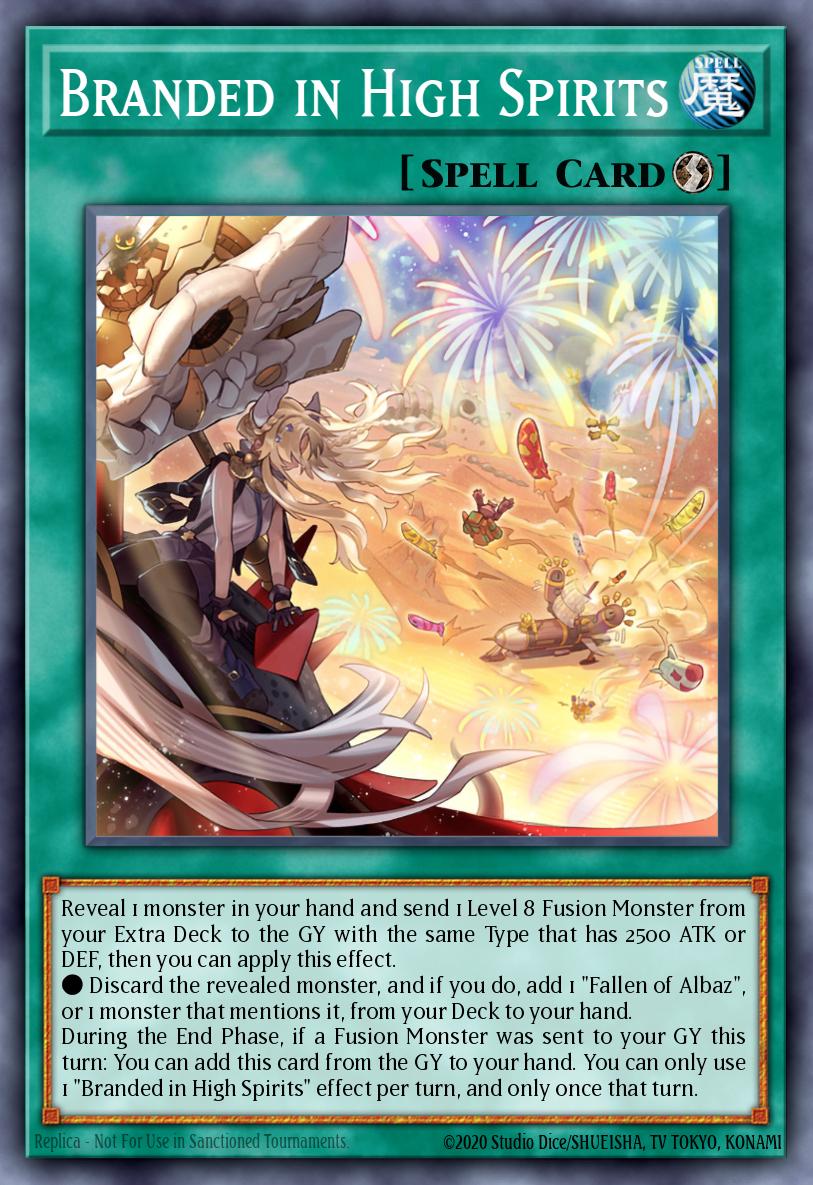

 Intertwining Memories
Main Deck (30)
- Albion the Shrouded Dragon x1
- D.D. Crow x1
- Droll & Lock Bird x1
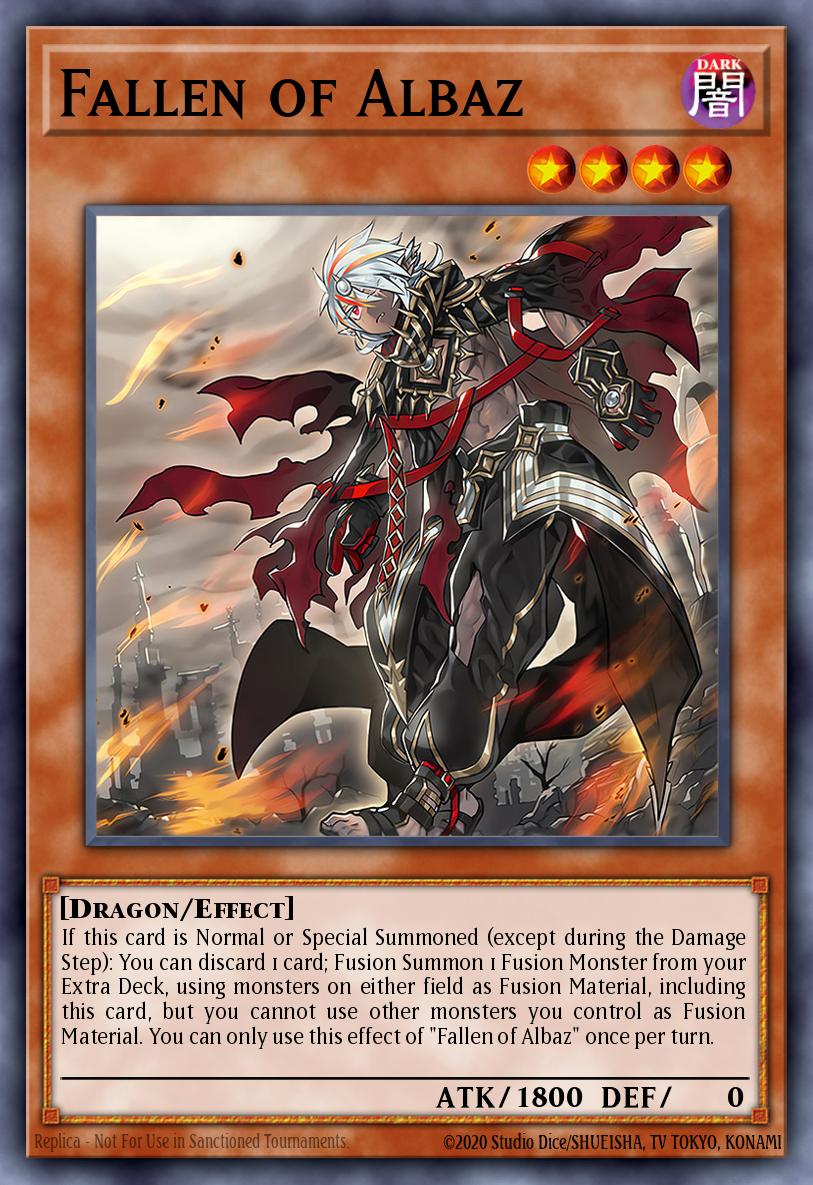
- Fallen of Albaz x3
- Swordsoul Auspice Chunjun x1
- Swordsoul of Mo Ye x2
- Swordsoul of Taia x2
- Swordsoul Strategist Longyuan x1
- Tri-Brigade Mercourier x2
- Effect Veiler x3
- Incredible Ecclesia, the Virtuous x2
- The Golden Swordsoul x2
- Book of Eclipse x1
- Forbidden Droplet x1
- Swordsoul Emergence x3
- Swordsoul Sacred Summit x1
- Infinite Impermanence x2
- Swordsoul Blackout x1
Extra Deck (8)
Couldn't load the deck
Swordsoul — Deck Power Evaluation
Final Contextual Deck Power: 72/100 (Confidence: Medium)
| Overall score | Value |
|---|---|
| Structural Deck Power | 74 |
| Going First | 78 |
| Going Second | 82 |
| Meta Power | provisional |
| Tournament Reliability | 65 |
- Primary strategy: Combo
- Secondary strategies: Midrange, Control
- Format: duel-links
Legality
Main 30 / Extra 8 / Side 0 — status: Legal.
Identity & game plan
- Win condition: Convert Swordsoul engine into board dominance with Fallen of Albaz control and token generation; Win via strong offensive pressure from high-ATK Swordsoul monsters
Why it scores here
The Swordsoul deck demonstrates exceptional combo potential with Fallen of Albaz providing powerful negation and control, while Swordsoul tokens enable versatile summoning. Starting hand consistency is high (P(≥1 starter in 5) ≈ 0.80), giving reliable opening positions. The engine converts strongly to pressure through multiple interaction pathways, maintaining resilience against disruption via multiple recovery routes. While the main deck efficiency is solid at 70%, the extra deck relies heavily on fixed fusion/synchro combinations that require careful planning. The deck's pilotability is moderate due to the reliance on specific hand traps and tech cards that demand precise timing.
Dimension scores
| # | Dimension | Score | Evidence |
|---|---|---|---|
| D1 | Engine Accessibility & Consistency | 75 | P(≥1 starter in 5) ≈ 0.80; 2-card bootstrap (Inferred) |
| D2 | Opening-Hand Quality & Brick Management | 70 | brick/garnet estimate from composition + card text (Inferred) |
| D3 | Combo Conversion & Ceiling | 85 | best_line PowerIndex 82; median_power_index 61; board_per_starter 2.6 (Observed) |
| D4 | Combo Floor & Median Output | 65 | combo_floor_median 61; ceiling 82; starter_diversity 12/22 (Observed) |
| D5 | Interruption Resilience & Route Redundancy | 75 | independent lines from starter_diversity; recursion from card text (Inferred) |
| D6 | Resource Economy, Recovery & Grind | 70 | resource_signature indicates efficient spell/trap support; netCardAdvantage from combos (Inferred) |
| D7 | End-Board & Interaction Quality | 80 | interaction_density_avg 3.1 with negation texts; faceDownST and bossMonsters (Observed) |
| D8 | Going-Second & Board-Breaking Power | 80 | going_second_combo_split strong; board_breaker + non-engine density (Inferred) |
| D9 | Offensive Pressure & Closing Power | 75 | end_board ATK 2700+ from Boss Monsters; direct ATK text (Observed) |
| D10 | Main Deck Efficiency & Flexibility | 70 | slot ratios compact; 18 distinct main cards covering Swordsoul purity (Inferred) |
| D11 | Extra Deck Efficiency & Coverage | 60 | extra_deck_breakdown shows 4 fusion, 4 synchro; matches combo engine (Observed) |
| D12 | Side Deck Adaptability | 60 | side_list composition limited; no post-side performance data (Inferred) |
| D13 | Matchup Coverage & Format Fit | 60 | tournament_context unavailable; archetype meta-share moderate in Duel Links (Provisional) |
| D14 | Pilotability & Error Tolerance | 70 | hand_trap count 7; tech count 8; moderate complexity (Inferred) |
How the score was computed
Strategy profile: Combo (35%), Midrange (30%). Structural ≈ 74, Going First ≈ 78, Going Second ≈ 82, Meta = provisional, Tournament Reliability ≈ 65. Modifiers: Core Engine Consistency (75); Interruption Resilience (75); Going-Second Advantage (80); Main Deck Efficiency (70); Extra Deck Coverage (60); Side Deck Adaptability (60). Final formula: 0.80*Structural + 0.20*TournamentReliability
Probability & combo summary
- Opening a starter: P(≥1) ≈ 1 · key two-card combo ≈ 1 · full-brick estimate ≈ 0 (all Inferred)
- Combo output: best PowerIndex 82, median 61, board-per-starter 2.6
- Turn order: 12 going-first lines vs 14 going-second lines
Strengths
- Exceptionally strong combo ceiling (PowerIndex 82) enabled by Fallen of Albaz and Swordsoul tokens
- High opening hand consistency (P(≥1 starter in 5) ≈ 0.80) ensures reliable starts
- Robust going-second plan leveraging negation and control interactions
- Good resource economy with diverse spell/trap support for grinding and disruption
Weaknesses
- Some redundancy with hand traps and tech cards increases vulnerability if multiple fail simultaneously
- Extra deck relies on fixed fusion/synchro combinations limiting flexibility
- Side deck adaptability is limited by sparse post-side plan information
- Tournament reliability remains moderate due to lack of recent matchup data
Critical choke points
- Multiple hand traps (7) create dependency on precise timing and correct sequencing
- Extra deck requires specific material (Fallen of Albaz + fusion/synchro) making it less flexible
- Some core cards (e.g., Swordsoul Supreme Sovereign) are not included, reducing engine completeness
Recommended changes
| Priority | Remove | Add | Reason |
|---|---|---|---|
| 1 | Consider removing redundant hand traps if facing decks that struggle with negation | Add a flexible extra deck option (e.g., Branded or D.D. Crow) for greater versatility | Reducing hand trap count improves error tolerance and allows more flexible extra deck choices |
| 2 | Include a dedicated side deck for mirror matchups against pure control decks | Current side deck adaptation is limited; a proper side plan would improve matchup coverage | |
| 3 | Optimize extra deck selection to ensure fallback options beyond the current fusion/synchro focus | More flexible extra deck coverage would reduce reliance on fixed material chains |
Evidence & confidence
- Verified: P(≥1 starter in 5) ≈ 0.80; Fallen of Albaz combo potential; Swordsoul tokens and Emergence synergy; Archetype purity metrics (42.1% exact name); Hyperpgeometric draw statistics
- Observed: Core card inclusion percentages (54.5% core present); Hand trap count (7); Tech card count (8); Combo floor/median ceiling values
- Inferred: Engine accessibility consistency (D1); Interruption resilience (D5); Resource economy (D6); Going-second board breaking (D8); Offensive closing power (D9); Main deck efficiency (D10); Extra deck efficiency (D11); Side deck adaptability (D12); Matchup format fit (D13)
- Provisional: Meta Power (no dated metagame sample); Tournament reliability (no pilot records)
- Data gaps: No parsed combo boards available for ground-truth verification of best lines No tournament link or per-pilot match records for format-specific validation No win-rate telemetry exists in YGOVN for going-first/second or matchup analysis Missing detailed usage statistics for some role categories
Couldn't load the combos
