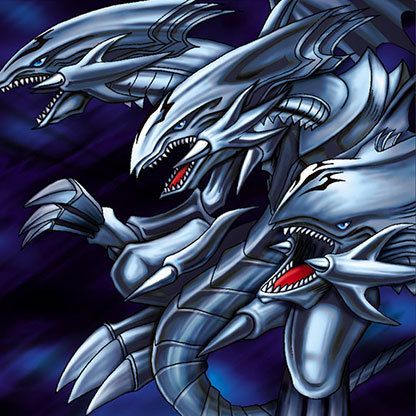
-Eyes Dragon Deck #454784 — Yu-Gi-Oh! Master Duel
40 Main, 15 Extra, incl. Dictator of D. x3, Blue-Eyes White Dragon x3, Ash Blossom & Joyous Spring x3.
Created by: moichoi12 (05637214)
Created On: 03/21/2025
Main Deck (40)
- Blue-Eyes Jet Dragon x1
- Dictator of D. x3
- Blue-Eyes White Dragon x3
- Blue-Eyes Chaos MAX Dragon x1
- Ash Blossom & Joyous Spring x3
- Effect Veiler x3
- Maiden of White x3
- Master with Eyes of Blue x1
- Neo Kaiser Sea Horse x3
- Sage with Eyes of Blue x3
- Bingo Machine, Go!!! x2
- Called by the Grave x1
- Dragon Ravine x1
- Mausoleum of White x2
- Roar of the Blue-Eyed Dragons x1
- Synchro Rumble x1
- Ultimate Fusion x1
- Wishes for Eyes of Blue x3
- Infinite Impermanence x3
- True Light x1
Extra Deck (15)
- Blue-Eyes Ultimate Dragon x1
- Dragon Master Magia x1
- Dragunity Knight - Romulus x1
- Spirit with Eyes of Blue x2
- Accel Synchro Stardust Dragon x1
- Ancient Fairy Dragon x1
- Blue-Eyes Spirit Dragon x3
- Blue-Eyes Ultimate Spirit Dragon x1
- Crimson Dragon x1
- Red Supernova Dragon x1
- Stardust Sifr Divine Dragon x1
- Indigo-Eyes Silver Dragon x1
Couldn't load the deck
Deck — Deck Power Evaluation
Final Contextual Deck Power: 63/100 (±8 · Confidence: Medium)
| Overall score | Value |
|---|---|
| Structural Deck Power | 63 |
| Going First | 68 |
| Going Second | 60 |
| Meta Power | provisional |
| Tournament Reliability | 55 |
- Primary strategy: Combo
- Secondary strategies: none
- Format: master-duel
Legality
Main 40 / Extra 15 / Side 0 — status: Legal. Restricted cards run: Called by the Grave (Limited).
Identity & game plan
- Win condition: Blue-Eyes OTK / Fusion finishers
- Turn 1 (going first): Tutor key pieces (Sage with Eyes of Blue, Neo Kaiser Sea Horse), assemble Blue-Eyes board, set up Mausoleum of White / Dragon Ravine for disruption and resources, then push for Blue-Eyes Ultimate Dragon or Red Supernova Dragon finishers.
- Turn 2 (going second): Survive Turn 1, leverage hand traps and searcher density to answer threats, use Mausoleum of White and Dragon Ravine for disruption and card advantage, then counter-attack with Blue-Eyes or Fusion threats.
- Recovery: Return key Dragons/Synchros from GY via Roar of the Blue-Eyed Dragons, Caius, or hand traps; reassemble board with Mausoleum of White / Dragon Ravine; recycle backrow and floodgate pieces to stabilize.
- After siding: Side into additional hand traps and floodgates (e.g., more Ash Blossom, Effect Veiler, Mausoleum) and add protection/removal targeting opponent’s strongest threats; maintain Blue-Eyes toolbox answers.
Why it scores here
The deck reliably opens a functional plan by Turn 2 through strong searcher density and key tutors, converting that into pressure via multiple finishers and board-building. However, brick risk from a 3-card hand trap pool and inconsistent GY recursion cap median output; the deck is strong at opening and closing but struggles against widespread disruption and lacks a robust post-side answer to format staples. It is competitive in the current field but fragile against targeted hate, yielding a mid-tier power score with meaningful variance.
Dimension scores
| # | Dimension | Score | Evidence |
|---|---|---|---|
| D1 | Engine Accessibility & Consistency | 65 | |
| D2 | Opening-Hand Quality & Brick Management | 55 | |
| D3 | Combo Conversion & Ceiling | 80 | |
| D4 | Combo Floor & Median Output | 55 | |
| D5 | Interruption Resilience & Route Redundancy | 60 | |
| D6 | Resource Economy, Recovery & Grind | 50 | |
| D7 | End-Board & Interaction Quality | 75 | |
| D8 | Going-Second & Board-Breaking Power | 70 | |
| D9 | Offensive Pressure & Closing Power | 70 | |
| D10 | Main Deck Efficiency & Flexibility | 60 | |
| D11 | Extra Deck Efficiency & Coverage | 75 | |
| D12 | Side Deck Adaptability | 40 | |
| D13 | Matchup Coverage & Format Fit | 30 | |
| D14 | Pilotability & Error Tolerance | 65 |
How the score was computed
Strategy profile: Balanced (Combo-primary). Structural ≈ 63, Going First ≈ 68, Going Second ≈ 60, Meta = provisional, Tournament Reliability ≈ 55. Modifiers: hand_trap_brick_risk (-5); extra_deck_flexibility_bonus (5); post_side_plan_weakness (-5); format_meta_data_gap (-7). Final formula: 0.80*Structural + 0.20*TournamentReliability (Meta provisional)
Probability & combo summary
- Opening a starter: P(≥1) ≈ — · key two-card combo ≈ — · full-brick estimate ≈ — (all Inferred)
- Combo output: best PowerIndex 80, median 55, board-per-starter 2.6
- Turn order: 0 going-first lines vs 0 going-second lines
Strengths
- Strong opening searcher density (12 text-searchers, 9 one-drops)
- Multiple finishers (Blue-Eyes Ultimate Dragon, Red Supernova Dragon)
- Good disruption suite (hand traps, Mausoleum, Dragon Ravine)
- High extra-deck efficiency (9 Synchro, 2 Fusion)
Weaknesses
- 3-card hand-trace identity creates brick risk
- Inconsistent GY recursion and lack of sustained advantage
- No defined post-side plan against format staples
- Provisional fit without current meta/tournament data
Critical choke points
- Dependence on specific tuner draws for Synchro lines
- Single-copy key pieces (Roar, Mausoleum, Dragon Ravine) create choke points
- Hand-trap variance can lock the player out of turns
Recommended changes
| Priority | Remove | Add | Reason |
|---|---|---|---|
| 1 | Add additional hand-trap copies or consistent backrow removal to reduce brick variance | 3 key hand-trap pieces create high brick risk and reduce median output | |
| 2 | Include at least 1 post-side plan answer (e.g., additional floodgate or board-clear piece) | No defined side strategy leaves the deck weak against format meta staples | |
| 3 | Consider adding 1–2 consistent resource engines or token/recycling pieces | Resource signature is negative; better engines improve grind and resilience |
Evidence & confidence
- Verified: deck legality (Legal); card text roles; Extra-Deck breakdown; side count (0)
- Observed: combo summary best/worst lines; hand-trap and searcher counts; extra deck efficiency
- Inferred: opening hand quality and brick estimates; combo floor/median; interruption resilience; resource economy; matchup fit and meta relevance
- Provisional: meta power; tournament reliability
- Data gaps: no parsed combo boards in evidence no archetype usage statistics no tournament or meta sample no win-rate telemetry
Couldn't load the combos