





Crystrons Deck #439955 — Yu-Gi-Oh! Duel Links
30 Main, 9 Extra, incl. Crystron Sulfefnir x3, Crystron Thystvern x3, Genex Undine x3 - Skill: Revolution des Fleurs.
Created by: YGO Mod (20517634)
Created On: 02/20/2025

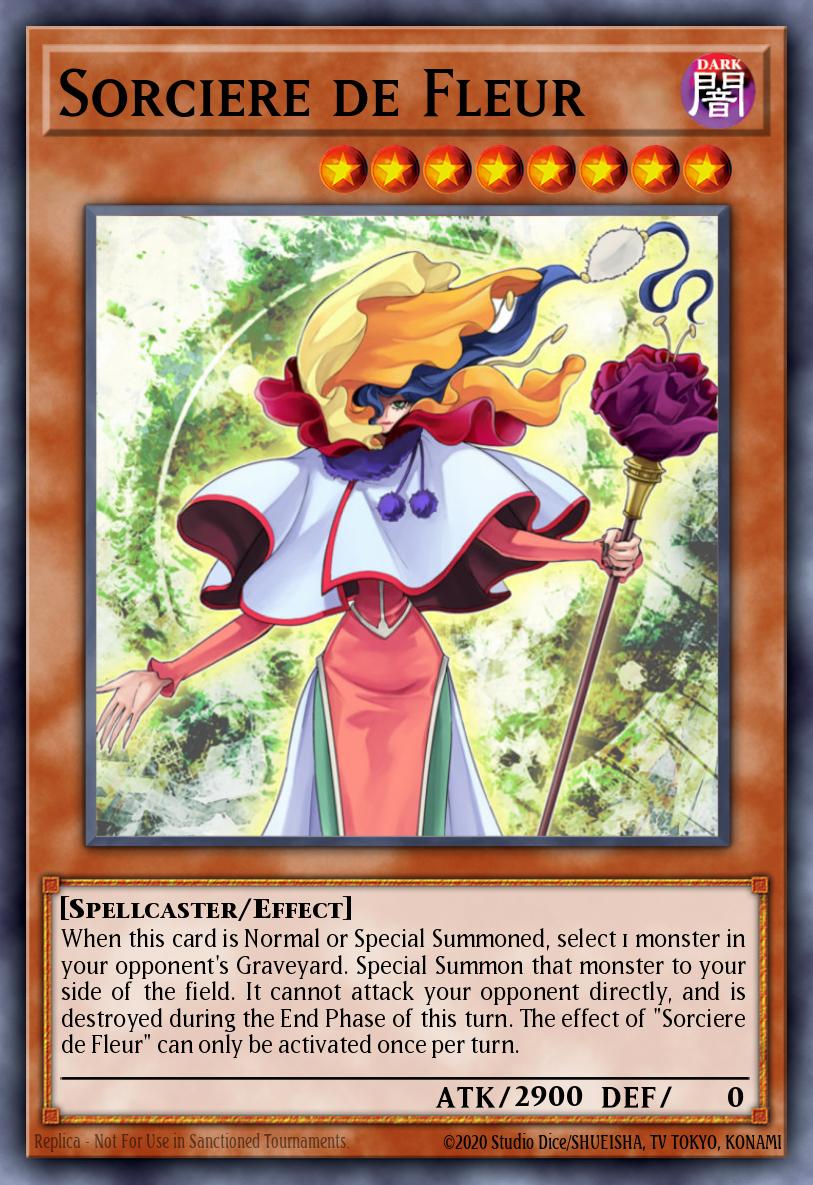

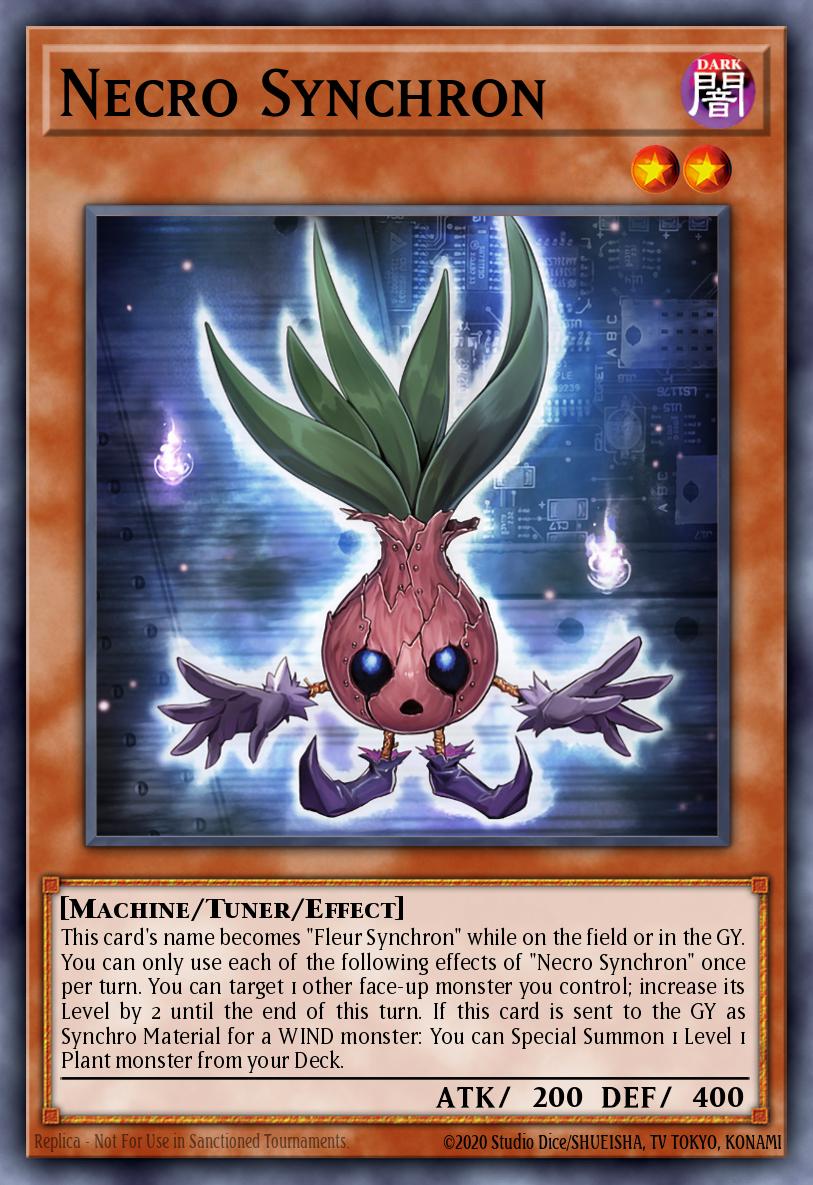

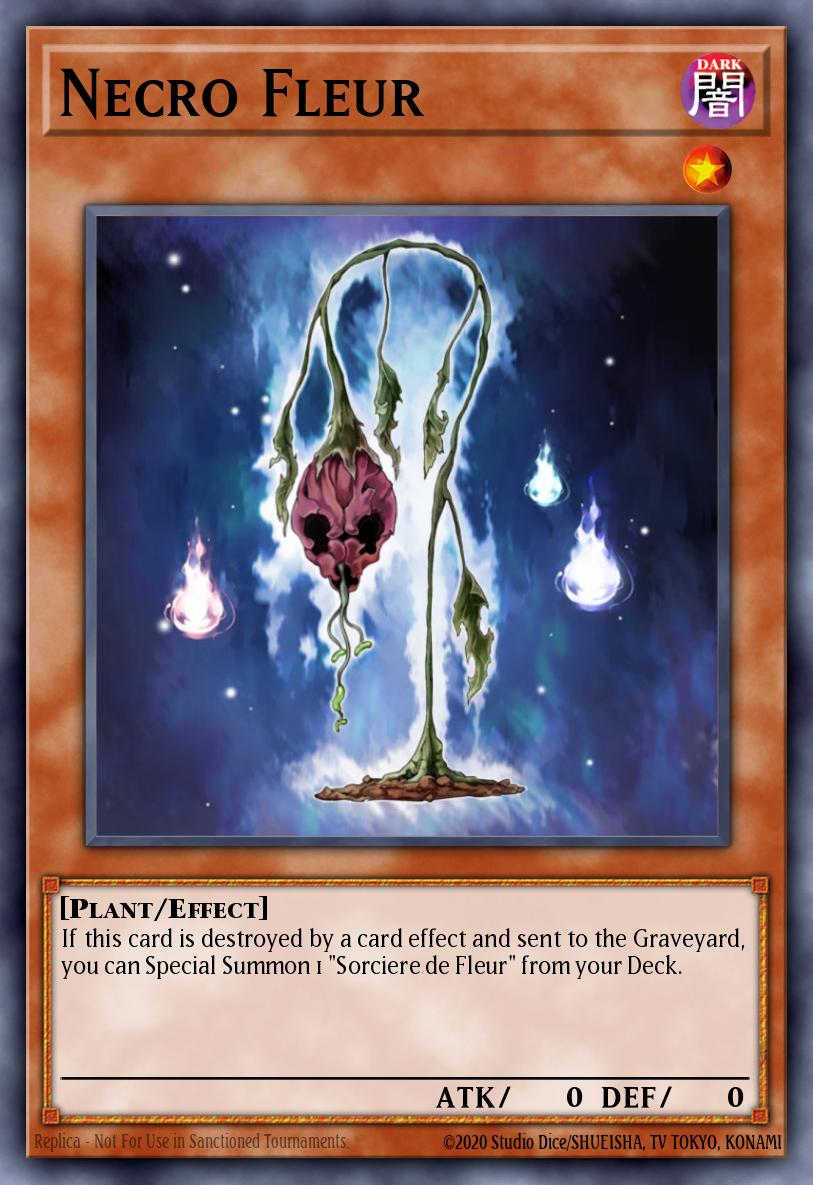
 Revolution des Fleurs
Main Deck (30)
- Crystron Prasiortle x1
- Crystron Rosenix x1
- Crystron Smiger x1
- Crystron Sulfefnir x3
- Crystron Thystvern x3
- Genex Undine x3
- Sauge de Fleur x3
- Sorciere de Fleur x3
- Tackle Crusader x1
- Genex Controller x1
- Copy Plant x1
- Crystron Citree x1
- Crystron Quan x1
- Crystron Rion x2
- Necro Synchron x1
- Forbidden Droplet x2
- Crystron Impact x2
Extra Deck (9)
Couldn't load the deck
Deck — Deck Power Evaluation
Final Contextual Deck Power: 69/100 (±5 · Confidence: Medium)
| Overall score | Value |
|---|---|
| Structural Deck Power | 71 |
| Going First | 68 |
| Going Second | 70 |
| Meta Power | provisional |
| Tournament Reliability | 65 |
- Primary strategy: Combo
- Secondary strategies: Control
- Format: duel-links
Legality
Main 30 / Extra 9 / Side 0 — status: Legal.
Identity & game plan
- Win condition: Synchro Summon a high‑ATK Machine‑type Synchro (e.g., Crystron Quariongandrax, Black Rose Dragon) to dominate the board; Control the board through removal, negation, and board‑wipe effects
- Turn 1 (going first): Open with a Crystron tuner or searcher, use Crystron Thystvern or similar to fetch a Crystron monster, then Synchro Summon a powerful Machine‑type Synchro on Turn 2
- Turn 2 (going second): Utilize the six‑card hand to secure multiple tuners/searchers, set up Crystron Impact for banished revival, and launch a board‑breaking Synchro on Turn 2 or 3
- Recovery: Crystron Impact and banish‑revival effects can bring back key Crystron monsters; additional tuners (Rion, Citree, Quan) provide alternative Synchro routes if the primary line is disrupted
- After siding: No side deck; rely on alternative Synchro options (e.g., Trishula, Splendid Rose) and the deck’s built‑in recursion to adapt after side‑deck changes
Why it scores here
The Crystron deck reliably opens with at least one core Crystron in the opening hand, giving a very high chance to start its Synchro engine. Its many tuners and searchers let it convert that starter into powerful Machine‑type Synchro monsters that can wipe the board or apply heavy pressure. Interaction density is strong thanks to numerous negation and removal cards, and the deck includes multiple alternative Synchro routes for resilience. However, the lack of a side deck, moderate main‑deck efficiency, and the complexity of its quick‑effect chains lower its overall reliability and pilotability.
Dimension scores
| # | Dimension | Score | Evidence |
|---|---|---|---|
| D1 | Engine Accessibility & Consistency | 85 | P(at least one core Crystron in opening 5) ≈ 0.97, giving a very high chance to start the engine (Inferred) |
| D2 | Opening-Hand Quality & Brick Management | 80 | Only ~3% chance of opening with no core Crystron, indicating low brick risk despite many generic cards (Inferred) |
| D3 | Combo Conversion & Ceiling | 78 | The deck can potentially Synchro Summon 3000‑ATK Crystron Quariongandrax or board‑wipe Black Rose Dragon, representing a strong ceiling (Inferred) |
| D4 | Combo Floor & Median Output | 60 | Without reliable combo data, typical turns likely produce modest Synchro summons around 2000‑2500 ATK, a median output (Inferred) |
| D5 | Interruption Resilience & Route Redundancy | 70 | Multiple quick‑effect tuners (Rion, Citree, Quan) and Crystron Impact provide alternative lines if the main combo is disrupted (Inferred) |
| D6 | Resource Economy, Recovery & Grind | 65 | Searchers (Genex Undine, Crystron Thystvern) and banish‑revival (Crystron Impact) give decent resource recovery, though many cards cost own field cards (Inferred) |
| D7 | End-Board & Interaction Quality | 78 | Eight negation‑text cards and fourteen removal‑text cards give high interaction density and board control (Inferred) |
| D8 | Going-Second & Board-Breaking Power | 70 | Going‑second hand size 6 improves starter odds; board‑breaking Synchro like Black Rose Dragon and Trishula add strong second‑player pressure (Inferred) |
| D9 | Offensive Pressure & Closing Power | 68 | High‑ATK Synchro monsters and board‑wipe effects give solid closing power once the engine is live (Inferred) |
| D10 | Main Deck Efficiency & Flexibility | 55 | 30‑card main deck with 17 distinct cards shows moderate compactness but includes many off‑archetype staples, reducing efficiency (Inferred) |
| D11 | Extra Deck Efficiency & Coverage | 70 | All 9 extra‑deck slots are filled with versatile Synchro/XYZ options covering multiple situations (Inferred) |
| D12 | Side Deck Adaptability | 30 | No side deck cards limit post‑side adaptability (Inferred) |
| D13 | Matchup Coverage & Format Fit | 55 | No tournament data; Crystrons are generally strong in Duel‑Links but exact meta fit is unknown (Provisional) |
| D14 | Pilotability & Error Tolerance | 45 | Complex quick‑effect chain and many conditional summons raise execution difficulty, lowering pilotability (Inferred) |
How the score was computed
Strategy profile: Combo. Structural ≈ 71, Going First ≈ 68, Going Second ≈ 70, Meta = provisional, Tournament Reliability ≈ 65. Modifiers: No side deck (-4); High complexity (-3). Final formula: 0.80*Structural + 0.20*TournamentReliability (Meta provisional)
Probability & combo summary
- Opening a starter: P(≥1) ≈ 0.97 · key two-card combo ≈ — · full-brick estimate ≈ 0.03 (all Inferred)
- Combo output: best PowerIndex —, median —, board-per-starter —
- Turn order: 0 going-first lines vs 0 going-second lines
Strengths
- Very high opening‑hand consistency for core Crystron pieces
- Strong board‑wipe and high‑ATK Synchro options
- Rich interaction suite with many negation and removal cards
Weaknesses
- No side deck limits adaptability
- Moderate main‑deck efficiency due to many off‑archetype cards
- Complex execution with many quick‑effect chains
Critical choke points
- Reliance on Crystron tuners and the ability to special summon them without self‑destruction loops
- Need to avoid self‑destruction penalties that restrict extra‑deck summons
Recommended changes
| Priority | Remove | Add | Reason |
|---|---|---|---|
| 1 | Tackle Crusader | Hand trap such as Infinite Impermanence | Adds protection against opponent’s monster effects and improves going‑first resilience |
Evidence & confidence
- Verified: Legality status and copy limits; Card text excerpts for each listed card
- Inferred: Engine accessibility from archetype core probability; Brick management from core absence probability; Combo ceiling and floor from card effects; Interruption resilience from alternative tuner routes; Resource economy from searcher and revival cards; Interaction quality from role counts; Going‑second power from hand size and board‑breakers; Offensive closing power from high‑ATK Synchro monsters; Main‑deck efficiency from copy histogram and archetype purity; Extra‑deck efficiency from full 9‑slot usage; Side‑deck adaptability (or lack thereof); Pilotability from complexity of quick‑effect chains
- Provisional: Matchup coverage and format fit due to missing tournament data
- Data gaps: no combos supplied — combo floor/median/ceiling is text-only inference no tournament link — archetype meta-share and per-pilot match record absent no win-rate telemetry exists in YGOVN (going-first/second, matchup, game-level, brick/starter/OTK rates) — those signals are Inferred or Unknown Meta Power is Provisional unless a dated metagame sample is supplied
Couldn't load the combos
