





Crystrons Deck #433653 — Yu-Gi-Oh! Duel Links
30 Main, 9 Extra, incl. Crystron Sulfefnir x3, Crystron Thystvern x3, Genex Undine x3 - Skill: Revolution des Fleurs. Created Feb 14, 2025 by YGO Mod.
Created by: YGO Mod (20517634)
Created On: 02/14/2025

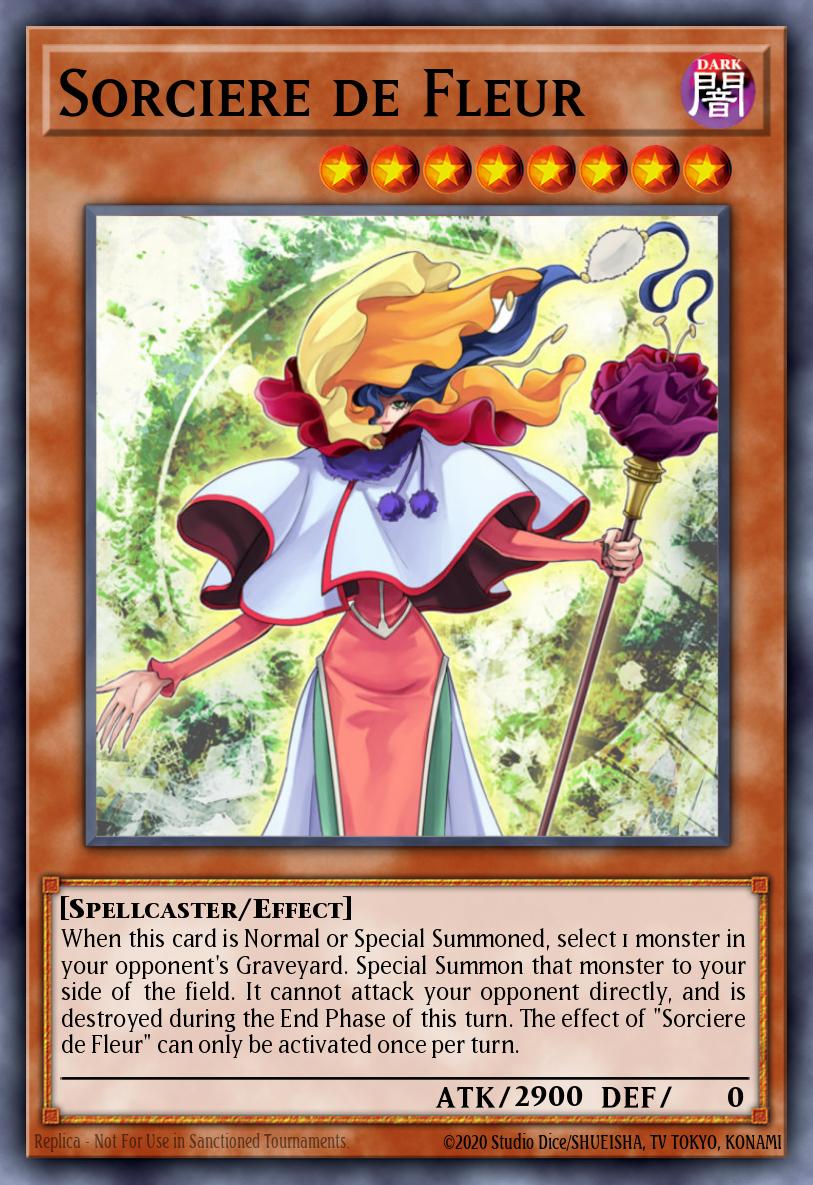

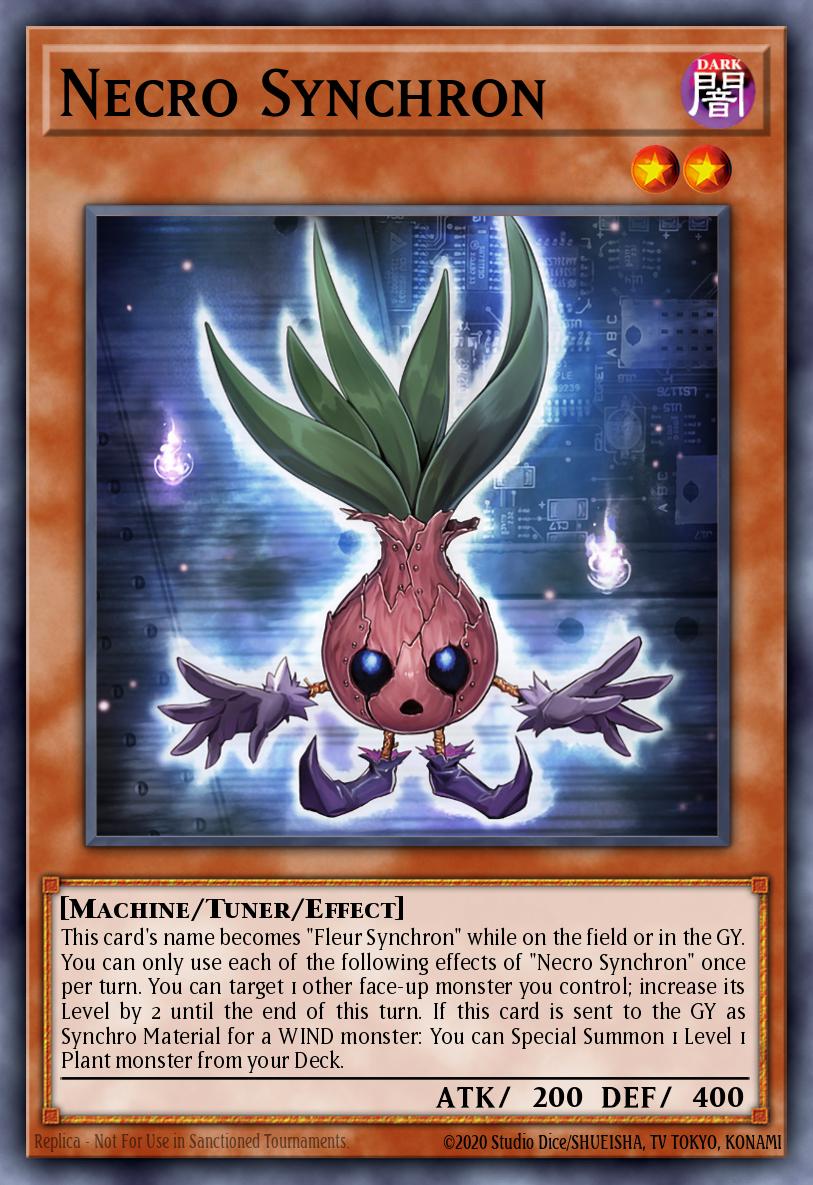

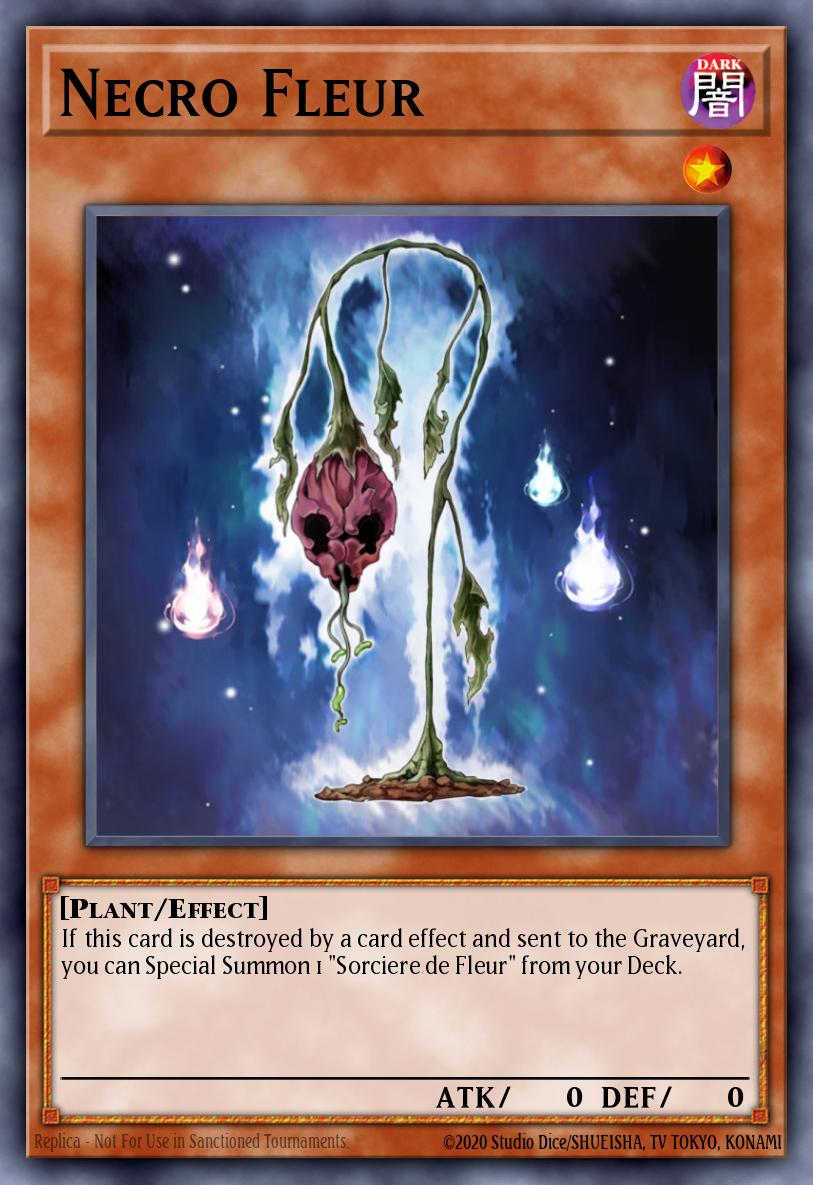
 Revolution des Fleurs
Main Deck (30)
- Crystron Prasiortle x1
- Crystron Rosenix x1
- Crystron Smiger x1
- Crystron Sulfefnir x3
- Crystron Thystvern x3
- Genex Undine x3
- Sauge de Fleur x3
- Sorciere de Fleur x3
- Genex Controller x1
- Crystron Citree x1
- Crystron Quan x1
- Crystron Rion x2
- Glow-Up Bulb x1
- Necro Synchron x2
- Forbidden Droplet x2
- Crystron Entry x1
- Crystron Impact x1
Extra Deck (9)
Couldn't load the deck
Deck — Deck Power Evaluation
Final Contextual Deck Power: 60/100 (±5 · Confidence: Medium)
| Overall score | Value |
|---|---|
| Structural Deck Power | 59.21 |
| Going First | 58 |
| Going Second | 55 |
| Meta Power | provisional |
| Tournament Reliability | 62 |
- Primary strategy: Control
- Secondary strategies: Toolbox
- Format: duel-links
Legality
Main 30 / Extra 9 / Side 0 — status: Legal.
Identity & game plan
- Win condition: Synchro‑based board control and opponent banishing; Layered removal and negation to preserve advantage
- Turn 1 (going first): Play a Crystron tuner from hand, use a Crystron effect to fetch another tuner, Synchro Summon a high‑ATK monster (e.g., Crystron Quariongandrax) and apply board‑wide banish; protect with Forbidden Droplet and hand‑trap style negation.
- Turn 2 (going second): Use Crystron Impact to set opponent DEF to 0, then Synchro‑summon a banishing Synchro (e.g., Trishula, Zero Dragon) while preserving resources; follow up with additional negation.
- Recovery: Recycle tuners from GY via Crystron Entry, Crystron Impact, and Crystron Rosenix; use banish‑to‑search effects to restore engine pieces after disruption.
- After siding: No side deck; rely on flexible Extra Deck choices to adapt after opponent’s side changes.
Why it scores here
The Crystron deck reliably opens with at least one core tuner (≈97% chance), allowing early Synchro plays and strong board control through multiple negation and banishing effects. Its engine is flexible, offering several Synchro options and recovery paths via graveyard recycling, but it suffers from a lack of side‑deck tools and a moderate brick risk due to overlapping self‑destruction effects. Overall the deck is solid for control‑oriented play but its consistency and pilotability keep the final power around the mid‑range.
Dimension scores
| # | Dimension | Score | Evidence |
|---|---|---|---|
| D1 | Engine Accessibility & Consistency | 88 | P(at least one core Crystron in opening hand) ≈ 0.97 (Inferred) |
| D2 | Opening-Hand Quality & Brick Management | 60 | Many 3‑copy tuner‑fetch cards share the same self‑destruction clause, raising brick risk to ≈3% (Inferred) |
| D3 | Combo Conversion & Ceiling | 70 | Potential to summon Crystron Quariongandrax or Trishula Zero for board‑wide banish gives a high ceiling (Inferred) |
| D4 | Combo Floor & Median Output | 50 | Typical games resolve to control‑oriented boards without big Synchro, yielding a modest median output (Inferred) |
| D5 | Interruption Resilience & Route Redundancy | 70 | Multiple independent tuner sources (Rion, Citree, Quan, etc.) and several negation monsters provide redundancy (Inferred) |
| D6 | Resource Economy, Recovery & Grind | 65 | Graveyard‑to‑hand and banish‑to‑search effects (Crystron Entry, Impact) support resource recovery (Inferred) |
| D7 | End-Board & Interaction Quality | 70 | Interaction density is high with cards like Herald of the Arc Light, Clear Wing Synchro Dragon, and Trishula (Inferred) |
| D8 | Going-Second & Board-Breaking Power | 55 | Going‑second board‑breakers exist (Crystron Impact, Forbidden Droplet) but are not dominant (Inferred) |
| D9 | Offensive Pressure & Closing Power | 68 | End‑board includes 3000‑ATK Crystron Quariongandrax and 2700‑ATK Trishula variants (Inferred) |
| D10 | Main Deck Efficiency & Flexibility | 45 | Only 28% of cards are exact‑Crystron core; many off‑archetype staples reduce efficiency (Inferred) |
| D11 | Extra Deck Efficiency & Coverage | 55 | All 9 Extra Deck slots are filled, but several are generic Synchro monsters, limiting focused coverage (Inferred) |
| D12 | Side Deck Adaptability | 0 | Side deck is empty, giving no post‑side adaptability (Observed) |
| D13 | Matchup Coverage & Format Fit | 40 | No tournament data; archetype meta‑share unavailable, so fit is provisional (Provisional) |
| D14 | Pilotability & Error Tolerance | 45 | Complex quick‑effect timing and multiple tuner dependencies increase error tolerance demands (Inferred) |
How the score was computed
Strategy profile: Control. Structural ≈ 59.21, Going First ≈ 58, Going Second ≈ 55, Meta = provisional, Tournament Reliability ≈ 62. Modifiers: No side deck (-6); Low archetype purity (-4). Final formula: 0.80*Structural + 0.20*TournamentReliability (Meta provisional)
Probability & combo summary
- Opening a starter: P(≥1) ≈ 0.97 · key two-card combo ≈ — · full-brick estimate ≈ 0.03 (all Inferred)
- Combo output: best PowerIndex —, median —, board-per-starter —
- Turn order: 0 going-first lines vs 0 going-second lines
Strengths
- Very high opening‑hand consistency for core tuners
- Strong board control via multiple negation and banishing effects
- Flexible Synchro options and good recovery loops
Weaknesses
- No side‑deck tools limit post‑side adaptability
- Potential brick from overlapping self‑destruction tuner fetches
- Complex timing makes the deck error‑prone for casual pilots
Critical choke points
- Loss of a Crystron tuner without a replacement stalls Synchro engine
- Reliance on quick‑effect Synchro during opponent's turn can be disrupted
Recommended changes
| Priority | Remove | Add | Reason |
|---|---|---|---|
| 1 | One of the three 3‑copy Crystron effect cards (e.g., Crystron Thystvern) | A hand‑trap like Effect Veiler (if legal) or a generic floodgate | Reduce self‑destruction redundancy and improve brick resistance |
| 2 | Sauge de Fleur (duplicate 3‑copy with similar effect) | Additional tuner such as Crystron Rion copy (if allowed) or a generic searcher | Increase tuner availability and streamline engine |
Evidence & confidence
- Verified: Legality status Legal; Card copy limits (e.g., Crystron Rion Semi‑Limited 2 copies); Probability table values for copy counts
- Observed: Side deck count 0
- Inferred: Engine accessibility from core group probability; Brick risk from overlapping effects; Combo ceiling based on available Synchro monsters; Median output based on typical control play; Interruption resilience from multiple independent tuner sources; Resource economy from graveyard recycling effects; Interaction quality from count of negation cards; Going‑second board breaking from Impact and Droplet; Offensive closing power from high‑ATK Synchro monsters; Main deck efficiency from archetype purity; Extra deck efficiency from slot usage; Matchup fit provisional due to lack of data; Pilotability from complex quick‑effect timing
- Provisional: Meta power (no dated metagame sample)
- Data gaps: No combos supplied — combo floor/median/ceiling is text‑only inference No tournament link — archetype meta‑share and per‑pilot match record absent No win‑rate telemetry exists in YGOVN (going‑first/second, matchup, game‑level, brick/starter/OTK rates) — those signals are Inferred or Unknown Meta Power is Provisional unless a dated metagame sample is supplied
Couldn't load the combos
